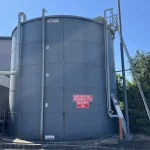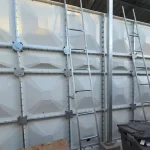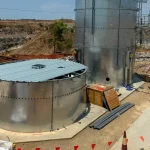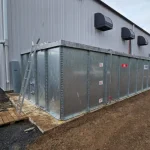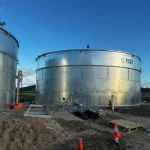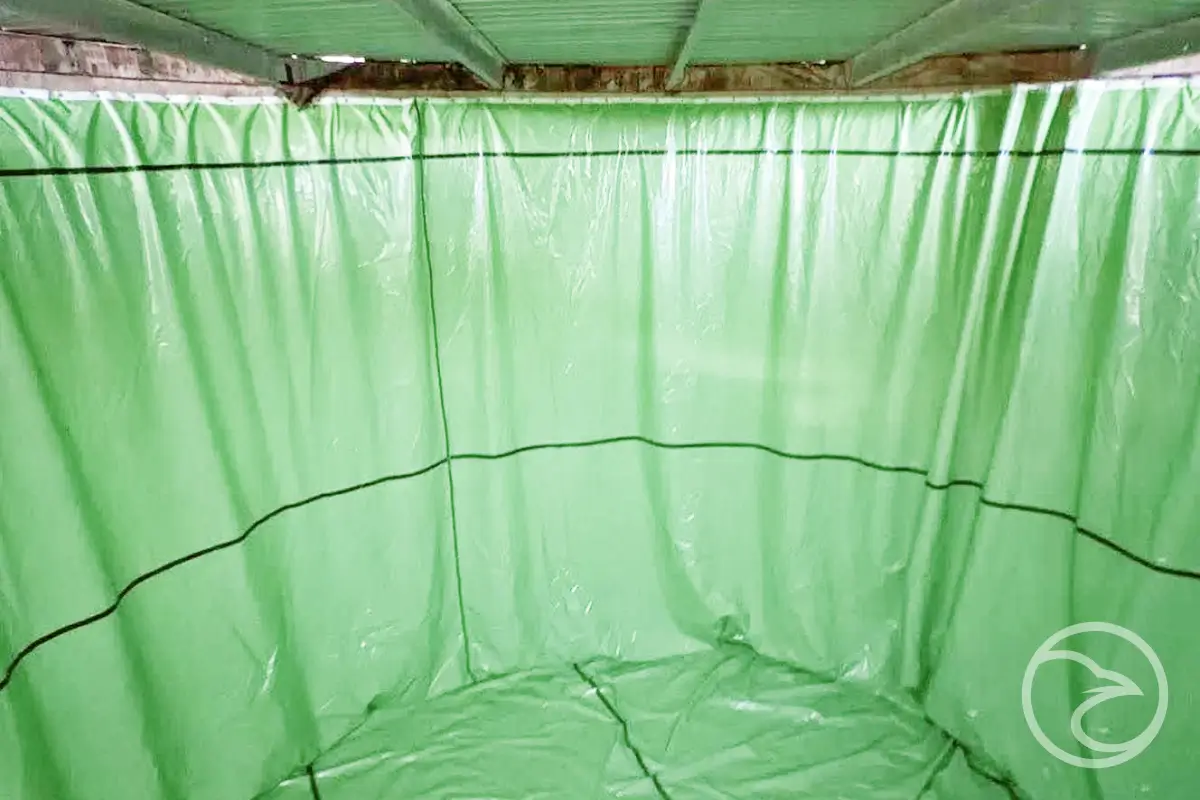

Water storage systems are integral to many industries — from agriculture and manufacturing to critical infrastructure and fire protection. While individual components are often highlighted, the broader water storage manufacturing process involves a series of carefully coordinated stages, each contributing to the overall performance and reliability of the system.
This article outlines the key phases of manufacturing water storage solutions and the considerations that ensure systems operate effectively once deployed.
Design and Specification Development
The manufacturing process begins with a detailed design phase. Engineers work closely with asset owners to clarify requirements such as storage capacity, site constraints, environmental exposure, and regulatory compliance.
Design specifications cover:
- structural integrity
- material properties
- joint and seal performance
- accessibility for maintenance
- integration with existing infrastructure
A well-considered design reduces the risk of costly changes later in the process and supports efficient fabrication and installation.
Material Selection and Preparation
Material selection plays a significant role in how a water storage system behaves in service. Factors such as corrosion resistance, tensile strength, and thermal stability influence how components respond to environmental conditions and operational demands.
For long-lasting performance, materials are chosen based on:
- exposure to moisture and temperature variation
- expected load cycles
- presence of chemical stressors in stored water
Preparing materials — including surface treatment, corrosion protection, and pre-assembly inspection — helps ensure consistency and durability throughout the manufacturing flow.
Fabrication and Assembly
Once design and material preparation are complete, the fabrication stage begins. Skilled technicians cut, shape, and assemble components according to design specifications.
This phase includes:
- precision cutting and forming
- application of protective coatings
- pre-assembly fit checks
- integration of access points and inspection ports
Quality control at this stage is critical, as accurately fabricated parts contribute to fit, sealing performance, and longevity.
Quality Assurance and Testing
Before a water storage system leaves the manufacturing facility, it undergoes rigorous quality assurance and testing. These checks ensure that the system meets structural, safety, and performance expectations.
Tests may include:
- pressure testing
- dimensional verification
- visual inspection of welds and joints
- assessment of surface protection
Thorough testing helps identify any inconsistencies early and provides confidence in system durability.
Packaging and Transport
Water storage systems must often be transported from factory to site. This stage focuses on secure packaging and planning logistics to protect components during transit.
Commercial and industrial storage systems may consist of large panels, mechanical components, and custom attachments — all of which must be packaged to resist damage and facilitate smooth delivery.
Transport planning also considers access routes, handling equipment, and site readiness to minimise installation delays.

Post-Installation Monitoring and Adjustment
After installation, a period of fine-tuning and observation is essential. Monitoring performance allows operators to confirm that expectations from design and manufacturing align with real conditions.
Early operational checks, including leak tests and functional assessments, help identify any adjustments needed before the system enters full service.
Summary
The water storage manufacturing process encompasses design, material selection, fabrication, testing, transport, installation, and early performance monitoring. Each phase contributes to the overall reliability and longevity of the system once in service.
A coordinated approach ensures that water storage solutions are not only built to specification but also prepared to meet the demands of their intended application.
For further insights into engineered storage solutions and performance considerations, see related engineered modular storage solutions.