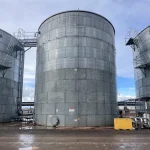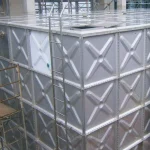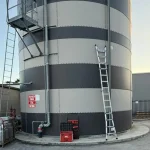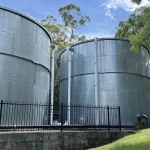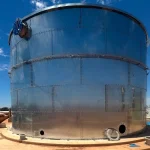

Efficient water storage practices play a critical role in ensuring reliable performance across industrial, commercial, and infrastructure applications. While water storage systems are often designed for long service life, their actual efficiency over time depends on how well they are installed, operated, and maintained under real-world conditions.
Rather than being defined by a single design choice or material, long-term efficiency is the result of multiple interconnected factors. Understanding these factors allows facility managers and asset owners to optimise performance, reduce operational risk, and maintain consistent storage capacity.
Installation Accuracy and System Setup
One of the most important efficient water storage practices begins at installation. Proper base preparation, accurate alignment, and correct assembly directly influence how a system performs throughout its lifecycle.
Uneven foundations, misaligned structural elements, or incorrect fastening may not cause immediate issues, but they can introduce long-term stress. Over time, this stress can affect load distribution, internal circulation, and joint performance. Ensuring installation accuracy and conducting thorough commissioning checks help establish a stable foundation for efficient operation.
Managing Internal Conditions
Internal conditions significantly affect storage efficiency. Water quality, sediment levels, and circulation patterns all influence how effectively a system maintains usable capacity.
Sediment accumulation can reduce effective storage volume and interfere with flow patterns. Stagnant zones may develop in systems with limited turnover, potentially affecting internal cleanliness and performance consistency. Regular monitoring of internal conditions and planned cleaning activities are essential practices for maintaining efficiency.
Managing Internal Conditions
Internal conditions significantly affect storage efficiency. Water quality, sediment levels, and circulation patterns all influence how effectively a system maintains usable capacity.
Sediment accumulation can reduce effective storage volume and interfere with flow patterns. Stagnant zones may develop in systems with limited turnover, potentially affecting internal cleanliness and performance consistency. Regular monitoring of internal conditions and planned cleaning activities are essential practices for maintaining efficiency.
Joint Integrity and Sealing Performance
Many modern water storage systems rely on multiple joints and sealing interfaces. The long-term efficiency of these systems depends on maintaining joint integrity and consistent sealing performance.
Thermal movement, vibration, and operational load cycles can gradually influence joint compression and seal effectiveness. These changes often occur slowly and may go unnoticed without targeted inspection. Monitoring joint condition as part of routine maintenance helps prevent efficiency losses caused by minor but progressive issues.

Maintenance Planning and Routine Inspections
Structured maintenance programs are central to efficient water storage practices. Performance-related issues rarely appear suddenly; instead, they develop gradually as conditions change.
Effective maintenance typically includes:
- visual external inspections
- internal condition assessments
- monitoring of sediment and water quality
- review of joints and connection points
By identifying early signs of change, maintenance teams can address small issues before they affect overall system efficiency or reliability.
Operational Load and Usage Patterns
How a storage system is used has a direct impact on its efficiency. Systems with frequent fill-and-drain cycles experience different stress patterns than those used for static storage.
Operational factors such as water turnover rate, pressure variation, and usage purpose all influence performance. Fire reserve systems, for example, may remain full for extended periods, while process water systems often experience regular level changes. Aligning operational practices with system design assumptions supports stable and efficient performance.
Long-Term Planning for Efficient Operation
Efficient water storage practices are most effective when approached as an ongoing process rather than a one-time decision. Long-term efficiency requires coordination between design intent, installation accuracy, operational awareness, and maintenance discipline.
By understanding how these elements interact, facility managers can make informed decisions that support reliable performance and reduce the likelihood of unplanned inefficiencies.
Conclusion
Efficient water storage practices are defined by careful attention to installation, internal conditions, environmental exposure, joint performance, maintenance planning, and operational usage. When these factors are managed proactively, water storage systems can deliver consistent performance and maintain efficiency over extended service periods.
For further insight into engineered storage approaches and system performance considerations, see related engineered modular storage solutions.