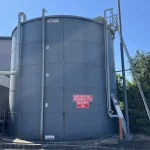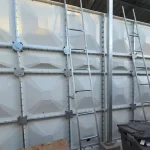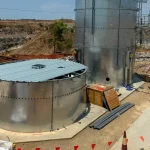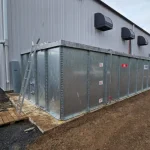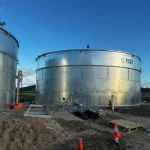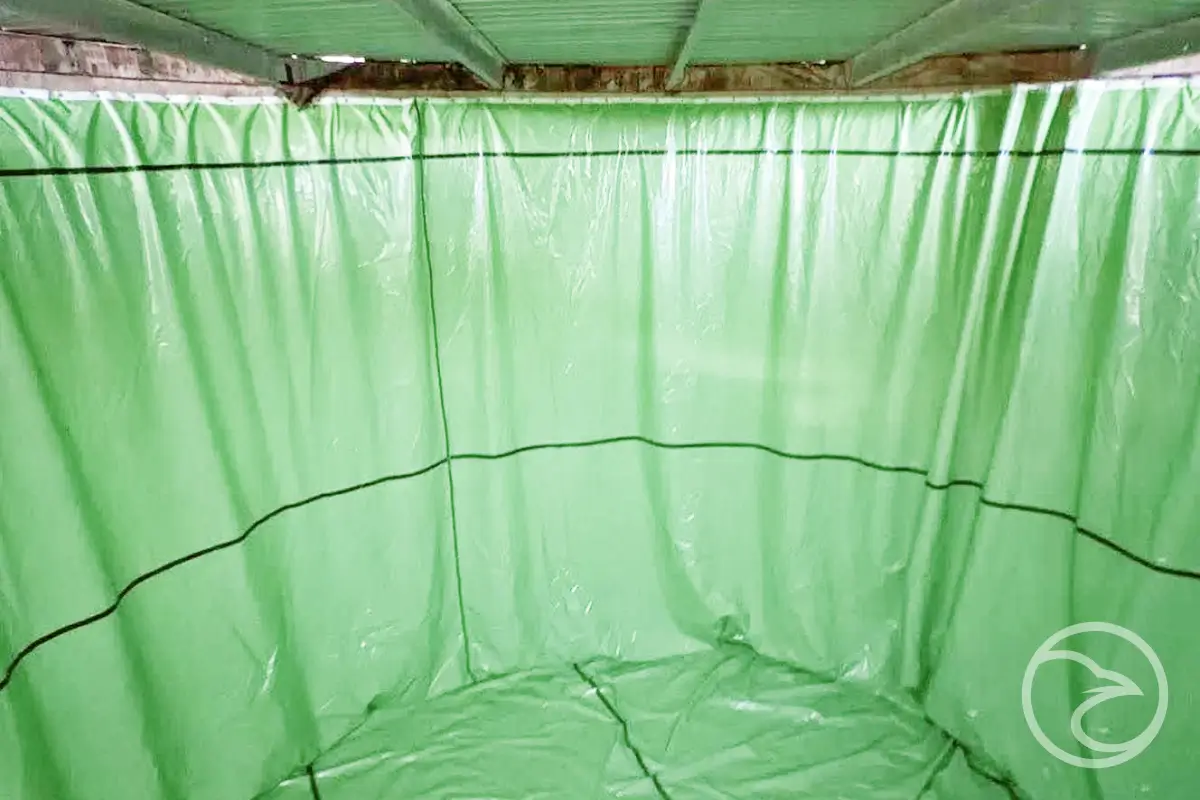
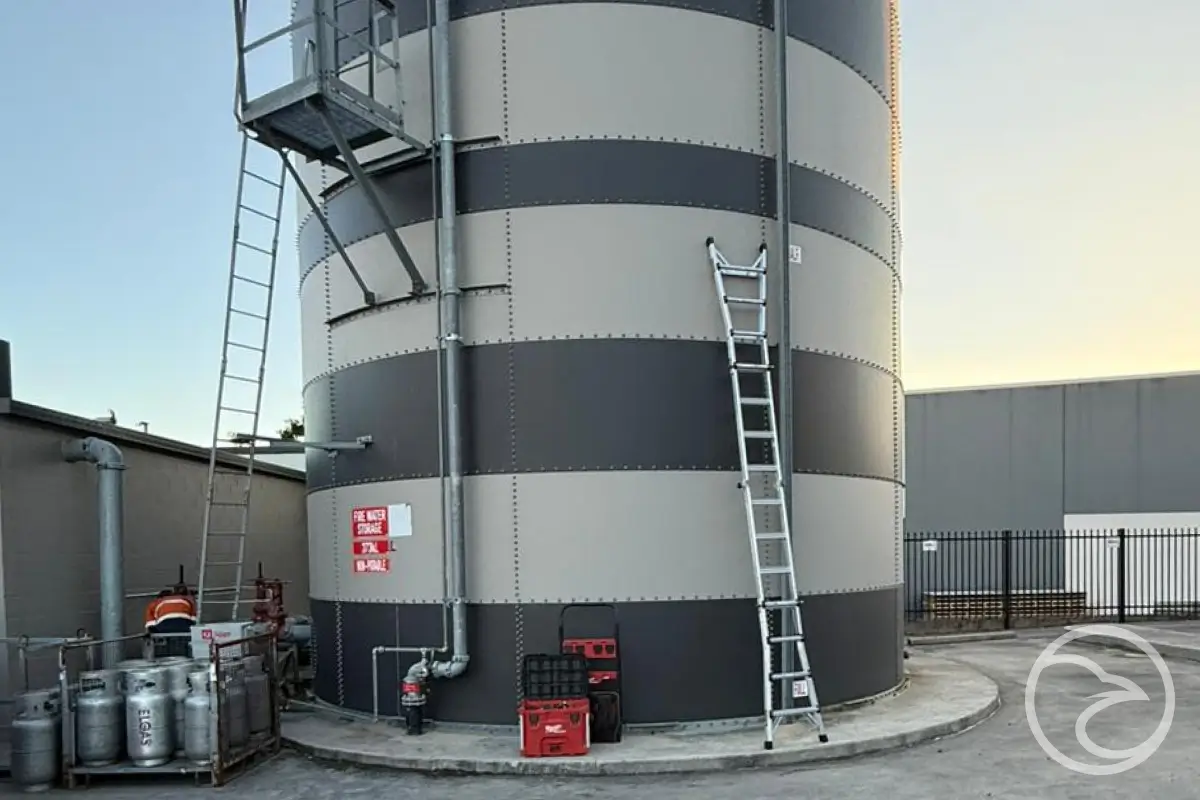
Fire water storage systems play a critical role in emergency response, yet their reliability depends on more than capacity or design compliance alone. Fire water storage integrity refers to the system’s ability to maintain structural stability, water containment, and functional readiness over time. When integrity is compromised, even a compliant system can fail when it is needed most.
Understanding what affects fire water storage integrity helps asset owners identify risks early and make informed decisions without overlapping with inspection or maintenance processes.
What Fire Water Storage Integrity Really Means
Fire water storage integrity is not a single component or inspection outcome. It is the combined condition of the tank structure, internal surfaces, water environment, and long-term exposure to operational stress. A system may appear functional externally while experiencing gradual internal degradation that weakens its overall reliability.
Unlike routine servicing or compliance checks, integrity focuses on long-term resilience rather than short-term performance.
Structural Factors that Influence Integrity Over Time
One of the most significant influences on fire water storage integrity is structural behavior over the system’s lifespan. Tanks are subject to constant forces, including hydrostatic pressure, temperature fluctuations, settlement, and vibration from surrounding infrastructure.
Over time, these forces can lead to subtle changes such as panel movement, joint stress, or uneven load distribution. While these changes may not immediately cause leaks or failures, they reduce the system’s ability to perform reliably under emergency conditions.
Internal Conditions and Environmental Exposure
Internal tank conditions play a major role in long-term integrity. Water chemistry, sediment accumulation, and biological activity can all affect internal surfaces and connections. Even when water quality remains within acceptable limits, prolonged exposure can accelerate material fatigue and surface degradation.
These internal changes often develop gradually and remain unnoticed without targeted assessment, making them a hidden contributor to declining system integrity.
The Impact of Design Assumptions Over Time
Fire water storage systems are designed based on assumptions about usage, environmental exposure, and operating conditions. However, real-world conditions rarely remain static. Changes in demand patterns, extended storage periods, or altered site conditions can place stress on systems in ways not anticipated during original design.
When operational realities drift from design assumptions, integrity can decline even if no single component shows visible failure.
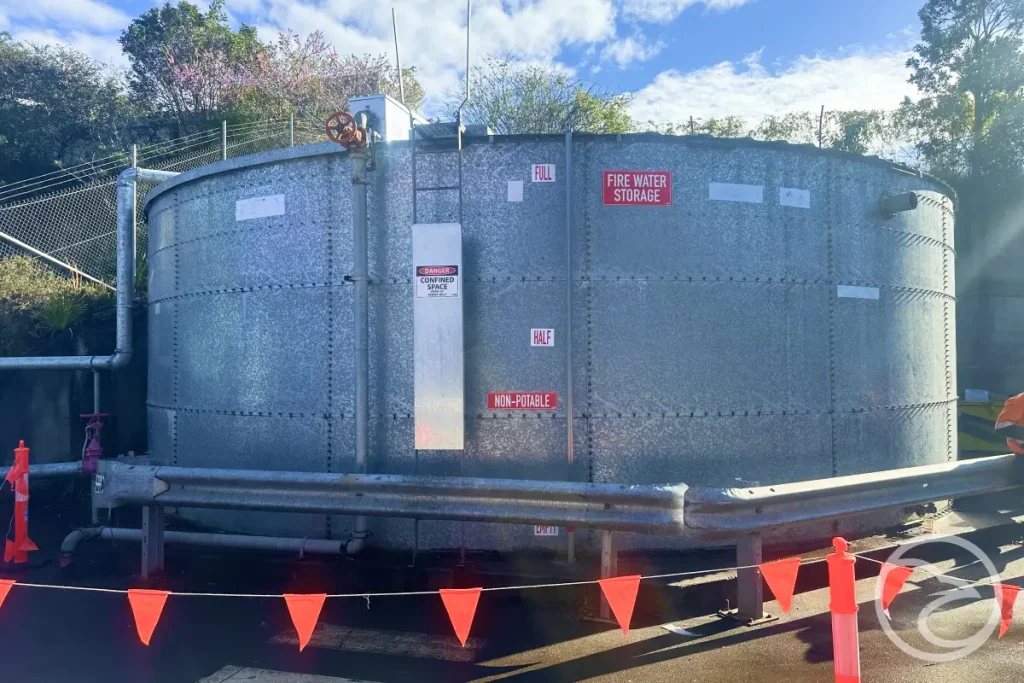
Why Integrity Loss Often Goes Unnoticed
One of the challenges with fire water storage integrity is that degradation is usually progressive rather than sudden. Systems can continue to operate within acceptable parameters while underlying weaknesses develop.
Because integrity issues do not always trigger alarms or immediate failures, they are often discovered only after reliability has already been compromised. This makes early awareness and understanding of integrity risks essential for long-term asset planning.
Integrity as Part of Long-Term Fire Protection Strategy
Water storage integrity should be viewed as a strategic consideration rather than a reactive concern. Maintaining integrity supports system reliability, reduces unexpected downtime, and helps ensure that fire protection infrastructure performs as intended during critical events.
By understanding how structural behavior, internal conditions, and operational factors influence integrity, asset owners can make informed decisions that support the long-term resilience of fire water storage systems without overlapping with inspection or maintenance activities.
Maintaining fire water storage integrity over time depends on clear system condition awareness, especially as internal and structural changes develop gradually.