Steel structures used in industrial and infrastructure applications are constantly exposed to moisture, chemicals, and environmental stress. Without proper protection, corrosion can significantly reduce service life and structural reliability. The hot dip galvanizing process is one of the most widely used and effective methods for protecting steel against corrosion, offering long-term durability in demanding conditions.
What is the Hot Dip Galvanizing Process?
The hot dip galvanizing process is a method of coating steel with zinc by immersing it in molten zinc. This process creates a metallurgically bonded zinc layer that protects the steel from corrosion through both physical barrier protection and electrochemical action.
Unlike surface coatings that sit on top of the steel, hot dip galvanizing forms a series of zinc–iron alloy layers that become an integral part of the steel surface. This bonding is what gives galvanized steel its characteristic durability and resistance to environmental exposure.
Surface Preparation Before Galvanizing
Effective galvanizing begins with proper surface preparation. Steel components must be free from contaminants such as oil, grease, dirt, and mill scale before entering the molten zinc bath.
The preparation process typically involves cleaning and pickling stages that remove surface impurities and oxides. Proper surface preparation is critical, as it ensures uniform zinc adhesion and consistent coating thickness across the entire steel component.
Without this step, the protective zinc layer may be uneven or incomplete, reducing corrosion resistance over time.
Immersion in Molten Zinc
Once prepared, the steel is immersed in a bath of molten zinc heated to approximately 450°C. During immersion, a metallurgical reaction occurs between the zinc and the steel, forming multiple layers of zinc–iron alloy.
The thickness of the coating is influenced by factors such as steel composition, immersion time, and withdrawal speed. These variables are carefully controlled to achieve a coating that meets performance expectations without compromising dimensional accuracy.
After removal from the zinc bath, excess zinc drains away, leaving a solidified protective layer bonded to the steel surface.
Formation of the Protective Zinc Coating
The resulting galvanized coating consists of several distinct layers, each contributing to corrosion protection. The outer layer is composed primarily of pure zinc, while inner layers contain zinc–iron alloys with increasing iron content closer to the steel substrate.
This layered structure provides two forms of protection. First, the zinc acts as a physical barrier that prevents moisture and corrosive agents from reaching the steel. Second, zinc provides sacrificial protection, meaning it corrodes preferentially to steel if the coating is damaged.
This dual protection mechanism is a key advantage of the hot dip galvanizing process.
Corrosion Protection and Performance BenefitsHot dip galvanizing offers long-term corrosion protection even in harsh environments. The zinc coating resists corrosion caused by water, humidity, and atmospheric exposure, making it suitable for outdoor and industrial applications.Because the zinc layer corrodes slowly over time, galvanized steel often requires minimal maintenance compared to painted or untreated steel. This makes hot dip galvanizing a cost-effective solution when long service life and reduced maintenance are priorities.The durability of galvanized coatings is especially valuable in applications where steel components are difficult to access or replace.
Durability Across Industrial ApplicationsThe hot dip galvanizing process is widely used across industries due to its reliability and performance consistency. Galvanized steel components are commonly found in infrastructure, water storage systems, and industrial equipment where corrosion resistance is critical.
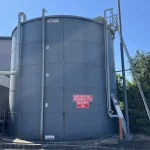
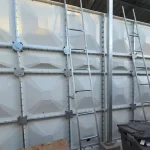
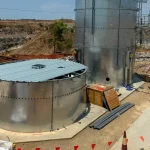
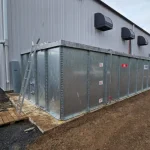
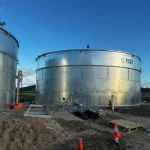
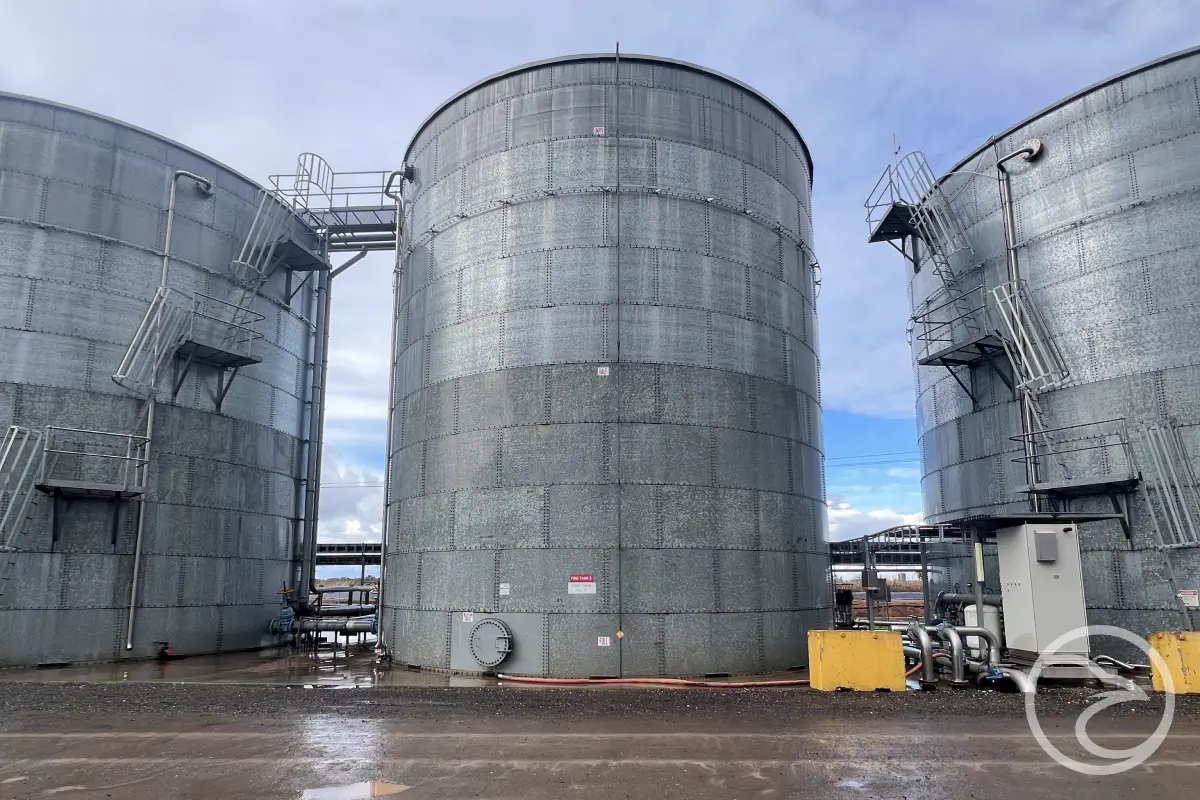
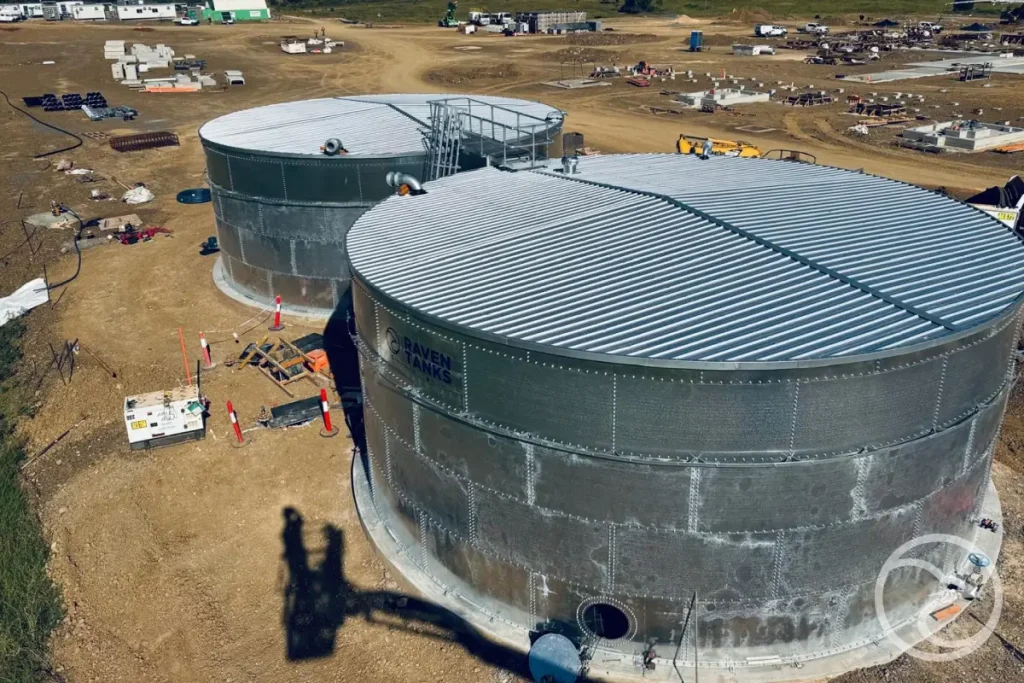
In applications involving exposure to moisture or variable environmental conditions, the robustness of the zinc coating helps maintain structural integrity over extended periods. This reliability supports long-term planning and asset management strategies.The performance benefits of the hot dip galvanizing process are widely applied in galvanised steel tank systems, where long-term corrosion resistance is essential.
Environmental and Sustainability Considerations
Hot dip galvanizing also offers environmental benefits. Zinc is a natural element that can be recycled without loss of properties. Galvanized steel is fully recyclable, supporting circular economy principles.
Additionally, the long service life of galvanized steel reduces the need for frequent replacement, lowering material consumption and associated environmental impacts over time.
These sustainability considerations make hot dip galvanizing an attractive option for projects focused on durability and responsible resource use.
Why the Hot Dip Galvanizing Process Matters
Understanding the hot dip galvanizing process helps engineers, asset managers, and decision-makers evaluate corrosion protection options more effectively. By providing a durable, bonded zinc coating, this process delivers reliable protection that extends the service life of steel components.
As industries continue to demand materials that perform under challenging conditions, the hot dip galvanizing process remains a proven and trusted method for protecting steel against corrosion while supporting long-term performance and sustainability goals.