Regular internal tank checks play a critical role in maintaining the safety, reliability, and long-term performance of industrial water storage systems. Many issues that affect structural integrity begin long before major failures occur, often showing early indicators that can be identified only through thorough internal inspections. Understanding these early structural warning signs helps facility owners address problems proactively and prevent costly repairs, downtime, or system failures.
This guide outlines the most common early structural warning signs tanks found during internal tank checks and explains why they matter for long-term tank performance.
Why Structural Warning Signs Tanks Matter
Even small changes inside a tank can indicate deeper structural challenges. Internal tank inspections reveal early deterioration, material stress, or environmental effects that cannot be seen from the outside. These early warning signs help prevent leaks, contamination risks, corrosion-related failures, and compromised storage capacity.
Identifying issues before they escalate supports safer operation, extends the lifespan of the tank, and ensures compliance with industry expectations for reliable water storage systems.
1. Surface Corrosion and Coating Breakdowns
One of the earliest indicators of structural weakening is the appearance of:
- thin rust films
- blistered coatings
- peeling or flaking interior surfaces
- small discoloured patches
Even minor coating failures expose the tank material to moisture, accelerating corrosion and reducing structural durability over time. In steel tanks especially, small areas of corrosion can quickly progress if not monitored.
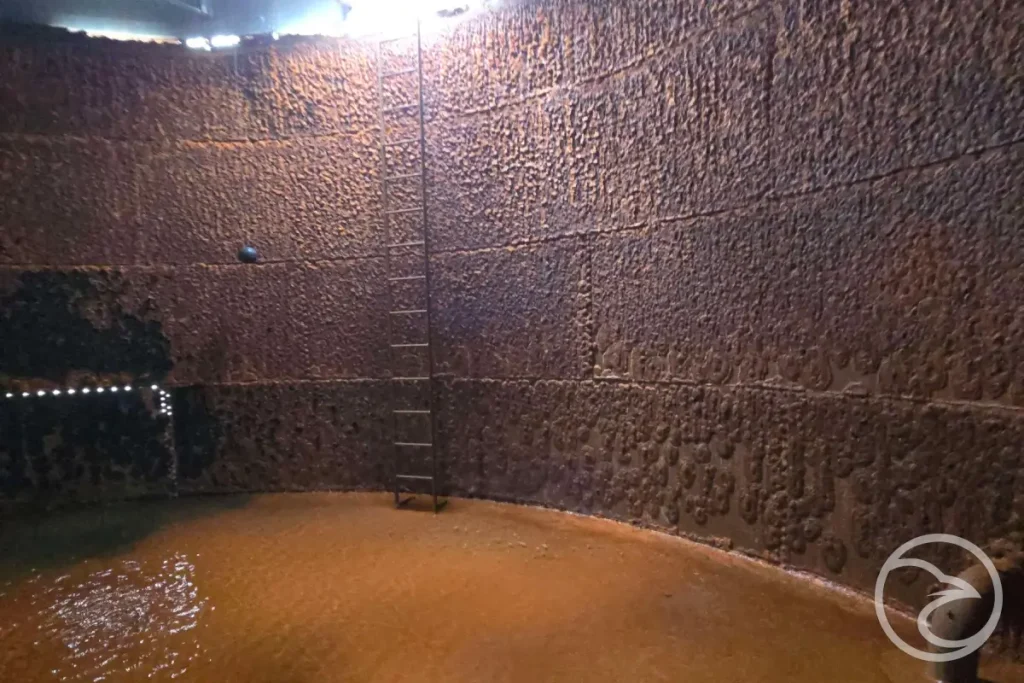
2. Pitting and Localised Material Loss
Internal inspections often reveal early pitting — small, highly concentrated areas of corrosion that penetrate the metal’s surface. Pitting is a critical structural concern because:
- it weakens the tank wall more rapidly than general corrosion
- it can form pinhole leaks
- it indicates aggressive chemical or sediment exposure
Early detection prevents more serious perforations and water loss.
3. Internal Cracks and Stress Lines
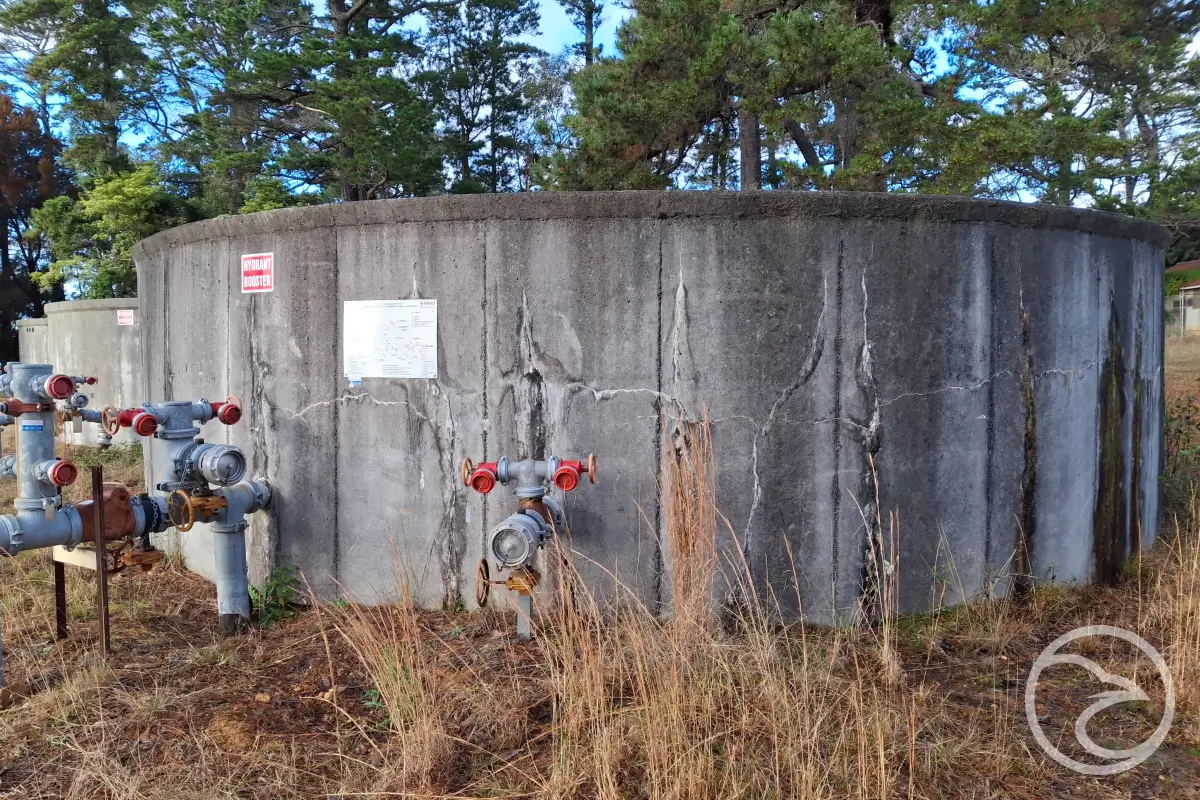
Small cracks may appear on internal walls, floors, joints, or seams. These can be caused by:
- pressure fluctuations
- thermal expansion and contraction
- ageing materials
- foundation movement
While small, these cracks may signal larger structural instability if left unaddressed.
4. Sediment Accumulation and Uneven Floor Conditions
Excess sediment can hide underlying issues, including:
- early corrosion under deposits
- uneven tank floor settlement
- stagnant conditions that damage coatings
Irregular sediment patterns may also indicate flow-related problems or internal vortex areas that place additional stress on the structure.
5. Deformation Around Welds, Seams, or Joints
Tank inspectors often notice early distortions such as:
- slight bulging
- seam misalignment,
- weld fatigue or cracking
These changes may appear minor but signal structural stress, thermal cycles, or pressure-related strain affecting the tank’s integrity.
6. Roof Structure or Support Issues
Internal checks sometimes show early warning signs in the roof area, including:
- corrosion around beams and support brackets
- weakened or sagging components
- compromised access points or vent structures
Because roof systems protect the tank from environmental exposure, early deterioration can impact overall structural stability.
Addressing structural concerns early is easier when supported by comprehensive tank integrity work carried out by specialists.
7. Moisture Traps and Internal Condensation Damage
Areas where condensation collects can form moisture traps, eventually leading to:
- micro-corrosion patches
- coating erosion
- increased humidity-related deterioration
These areas are often found around ladders, brackets, and stiffeners.
8. Minor Leak Indicators on Internal Surfaces
Even without visible water loss, early leak indicators may include:
- damp streaks
- mineral deposits
- isolated corrosion patterns
Such signs may reveal where structural weaknesses are beginning to form.
9. Fastener, Hardware, and Component Wear
Loose or deteriorating internal hardware, such as brackets, bolts, or baffles, signals that structural movement or ageing is occurring. These small issues may become significant if they impact connected components.
Conclusion
Internal tank checks reveal small but important structural warning signs that help prevent major failures. Early identification of corrosion patches, coating damage, pitting, cracks, deformation, sediment issues, and roof support concerns ensures that industrial water tanks continue performing safely and reliably.