Long-term tank performance depends on more than design capacity or installation quality. One of the most influential factors is tank material performance. From commissioning onward, tank materials continuously interact with stored water, environmental conditions, and operational cycles. Over time, these interactions shape how reliably a tank performs and how early performance decline begins to appear.
Viewing tank material performance as a long-term, evolving characteristic helps explain why some tanks maintain stable operation for decades, while others experience gradual efficiency loss despite appearing structurally intact.
Why Material Choice Matters Over Time
Tank materials do not behave the same way under prolonged exposure. While design standards establish baseline expectations, material behaviour determines how closely those expectations are maintained throughout the tank’s service life.
Material performance is dynamic. Factors such as moisture, temperature variation, water chemistry, and operational loading influence how materials expand, contract, degrade, or resist change. These effects accumulate slowly, often without visible warning signs, making material choice a strategic decision rather than a purely structural one.
Long-Term Behaviour of Common Tank Materials
Steel Materials and Progressive Change
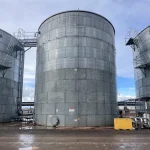
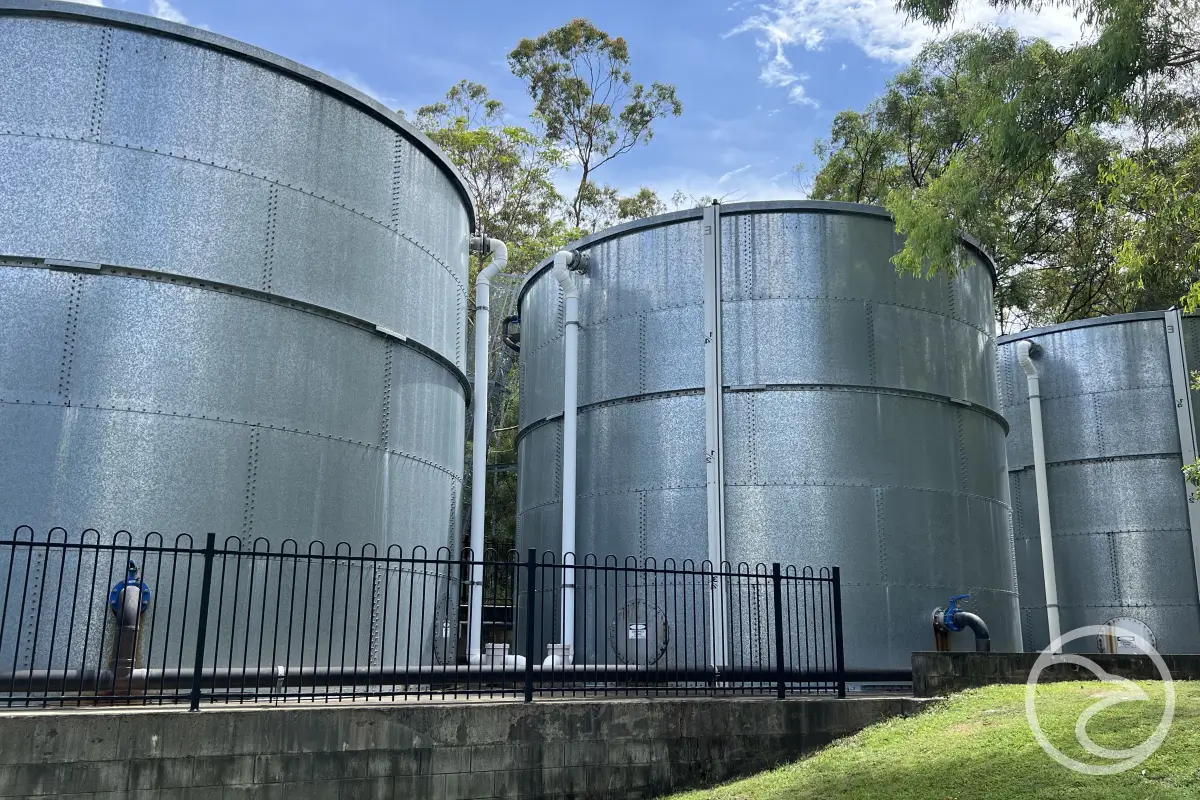
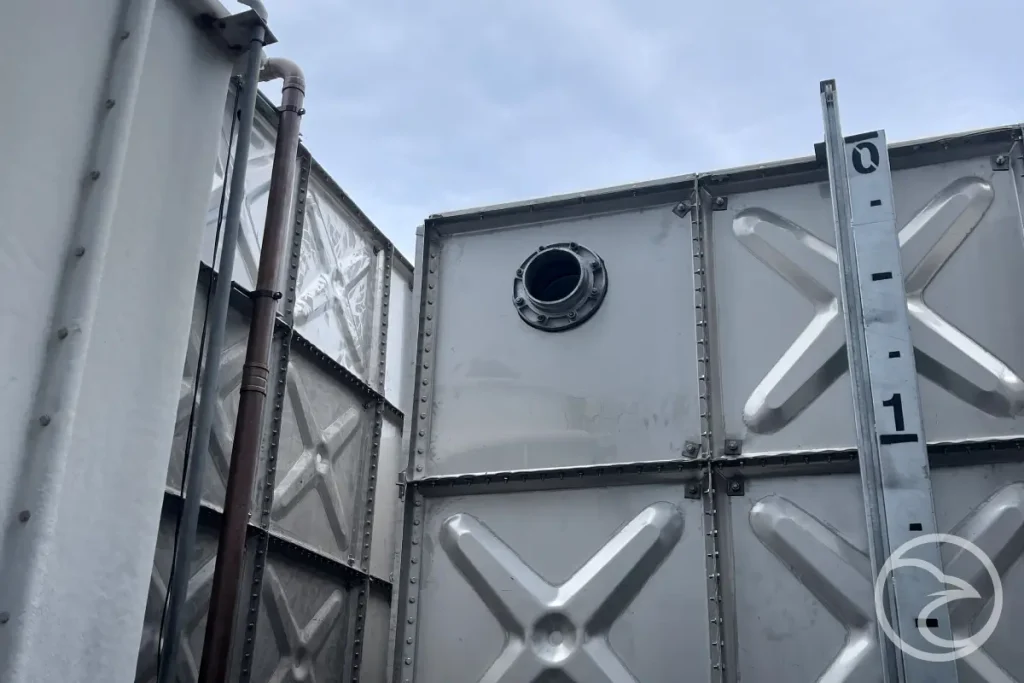
Steel tanks are widely used due to their strength and scalability. However, long-term steel performance is closely tied to corrosion behaviour. Water chemistry, oxygen levels, and coating condition all influence corrosion rates. Even with protective systems in place, performance decline often begins subtly through coating breakdown, joint stress, or localised thinning.
These changes rarely cause immediate failure but can gradually affect internal conditions and overall reliability.
GRP Materials and Structural Response
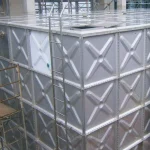
Glass reinforced plastic materials respond differently over time. Instead of corrosion, long-term performance is influenced by resin composition, joint integrity, and exposure to temperature cycles and UV conditions. Over extended periods, micro-movements, surface wear, or joint fatigue can affect structural stability.
Although GRP systems often retain their appearance longer than steel, internal performance changes may still develop beneath the surface.
From a material perspective, understanding how glass reinforced plastic materials behave over time helps explain performance differences observed across long-term tank systems.
Lined Systems and Barrier Effectiveness
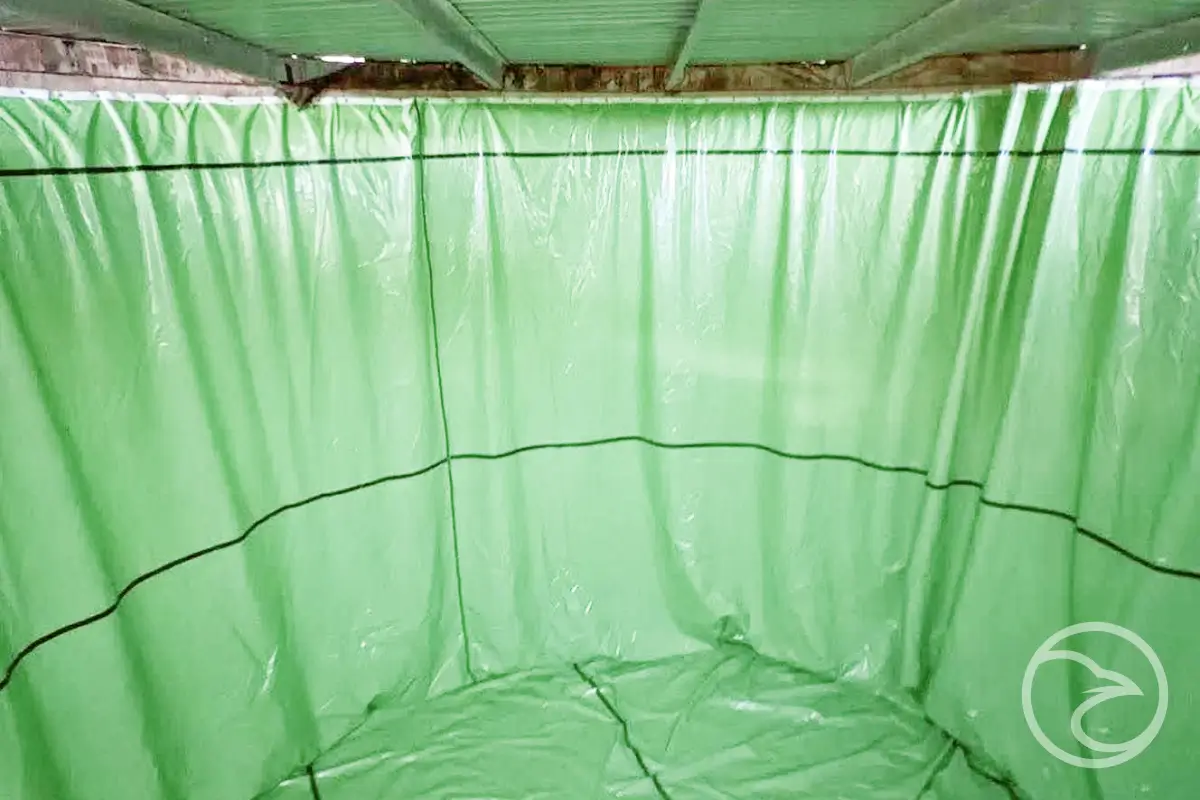
Lined tank systems introduce an additional performance layer. Liners protect structural materials from direct water exposure, but their long-term effectiveness depends on material compatibility, installation quality, and operating conditions.
Over time, liner flexibility, seam integrity, and adhesion may be influenced by temperature variation, sediment movement, and hydraulic forces. These factors determine how well the liner continues to support overall tank performance.
Environmental and Operational Influences
Material behaviour does not exist in isolation. Environmental and operational factors often accelerate or moderate long-term performance changes.
Key influences include:
- Water quality and chemical composition
- Sediment accumulation and abrasion
- Temperature fluctuation and thermal cycling
- Fill-and-draw frequency and pressure variation
- External environmental exposure
A material well-suited for one operating profile may underperform in another, even when initial design criteria are met.
Performance Changes that Develop Gradually
Material-related performance decline is rarely sudden. Instead, it develops incrementally. Minor surface changes, reduced protective effectiveness, or internal condition shifts often remain unnoticed during routine visual checks.
Because tanks continue operating, early-stage performance loss may only become apparent when inspection findings, water quality indicators, or maintenance demands begin to change.
Why Material Issues are Often Detected Late
Material-related reliability loss commonly goes unnoticed for several reasons. Many changes occur internally and are not externally visible. Performance benchmarks often focus on short-term operation rather than lifecycle behaviour. In addition, storage tanks are frequently treated as passive assets until problems affect operations.
As a result, material degradation is often well advanced before it is formally identified.
Managing Long-Term Performance Through Material Awareness
Effective tank management recognises that materials evolve over time. Rather than viewing materials as fixed attributes, they should be considered dynamic components shaped by environment, use, and ageing.
Material-aware management focuses on:
- Monitoring condition trends instead of isolated defects
- Aligning inspection frequency with material risk profiles
- Evaluating performance indicators, not just appearance
- Using material behaviour insights to inform maintenance planning
This approach supports earlier awareness and more predictable long-term performance.
Final Perspective
Tank material performance plays a defining role in long-term tank performance. While no material is immune to ageing, understanding how different materials behave over time enables better planning, more targeted inspections, and improved reliability across a wide range of storage applications.
A system-wide perspective on material behaviour explains why performance decline is often gradual and why early indicators are easily overlooked during routine operation. Recognising these patterns is essential for managing long-term storage performance effectively and maintaining predictable tank behaviour throughout its service life.