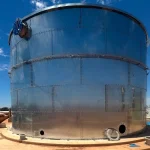
Industrial water tanks play a critical role across manufacturing sites, treatment facilities, commercial operations and municipal systems. They support essential functions such as cooling, processing, storage, firefighting readiness and potable water supply. While structural stability and mechanical reliability are commonly prioritised, one factor is often underestimated: water quality.
Poor water quality accelerates deterioration, reduces operational efficiency and shortens the lifespan of industrial tanks. Understanding how contaminants, imbalances and environmental conditions affect storage systems is essential for maintaining long-term performance.
This article explores why water quality tanks require consistent monitoring — and how early intervention helps protect critical assets.
1. How Contaminants Accelerate Structural Damage
Water stored in large industrial tanks is rarely static. Minerals, organic matter, sediment, chemicals and environmental contaminants continuously interact with internal surfaces. When water quality declines, these interactions become corrosive, causing:
- pitting on steel tank walls
- liner degradation
- coating blistering
- accelerated corrosion
- weakened welds or seams
Even minor contamination can create corrosive micro-environments. Over time, this compromises the tank’s structural stability and reduces its expected lifespan. Regular water quality monitoring allows facility managers to detect harmful elements before structural damage becomes costly or irreversible.
2. Sediment Build-Up Creates Ongoing Operational Risks
Sediment is one of the most common and damaging by-products of poor water quality. Minerals, rust flakes, sand, organic particles and industrial residues settle at the base of the tank, forming thick layers that contribute to long-term issues.
Sediment accumulation can:
- reduce storage capacity
- restrict flow and turnover
- clog outlets and valves
- accelerate internal corrosion
- disrupt pump and filtration performance
Without proper management, sediment creates a cycle of deterioration that significantly shortens tank lifespan. Many facilities rely on specialised cleaning services to restore internal hygiene and support long-term system reliability.
3. Biological Growth Compromises Water Quality and Surface Integrity
Warm temperatures, sunlight exposure and nutrient-rich water can promote bacterial growth, algae, biofilm and other microorganisms. These biological contaminants damage industrial tanks by:
- forming acidic by-products that corrode internal surfaces
- creating slippery or weakened coating layers
- increasing turbidity and sedimentation
- causing odour and colour changes
- reducing disinfectant efficiency
In severe cases, biofilm protects harmful bacteria, making them harder to remove. Routine inspections and water sampling help identify biological activity early and prevent long-term deterioration.
4. Chemical Imbalances Stress Internal Components
Industrial water often carries chemical additives, treatment agents or naturally occurring minerals that influence water chemistry. If not properly managed, water can become:
- too acidic or alkaline
- high in chlorides
- excessively hard
- rich in dissolved metals
- corrosive at elevated temperatures
These conditions place stress on tank linings, gaskets, seals, internal piping and mechanical components. Early detection of chemical imbalances supports corrective action before internal surfaces begin breaking down.
5. Poor Water Quality Reduces Mechanical Reliability
Mechanical elements inside water tanks — such as level sensors, mixers, valves and pumps — operate best when water is clean and stable. Poor water quality interferes with:
- sensor accuracy
- valve movement
- turnover system performance
- pump efficiency
- automated monitoring data
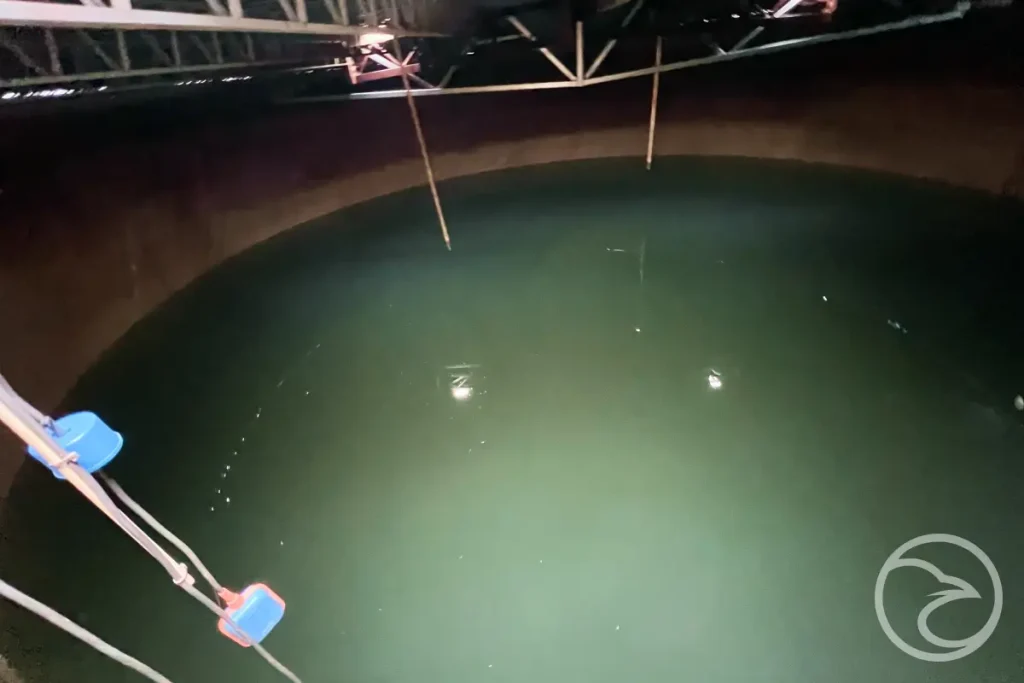
As sediment, algae and contaminants accumulate, mechanical components lose precision or fail altogether. Addressing water quality concerns early reduces maintenance burden and extends the lifespan of the system’s mechanical infrastructure. Facilities requiring technical assistance often rely on professional maintenance support to correct declining performance.
6. Shortened Lifespan of Coatings and Liners
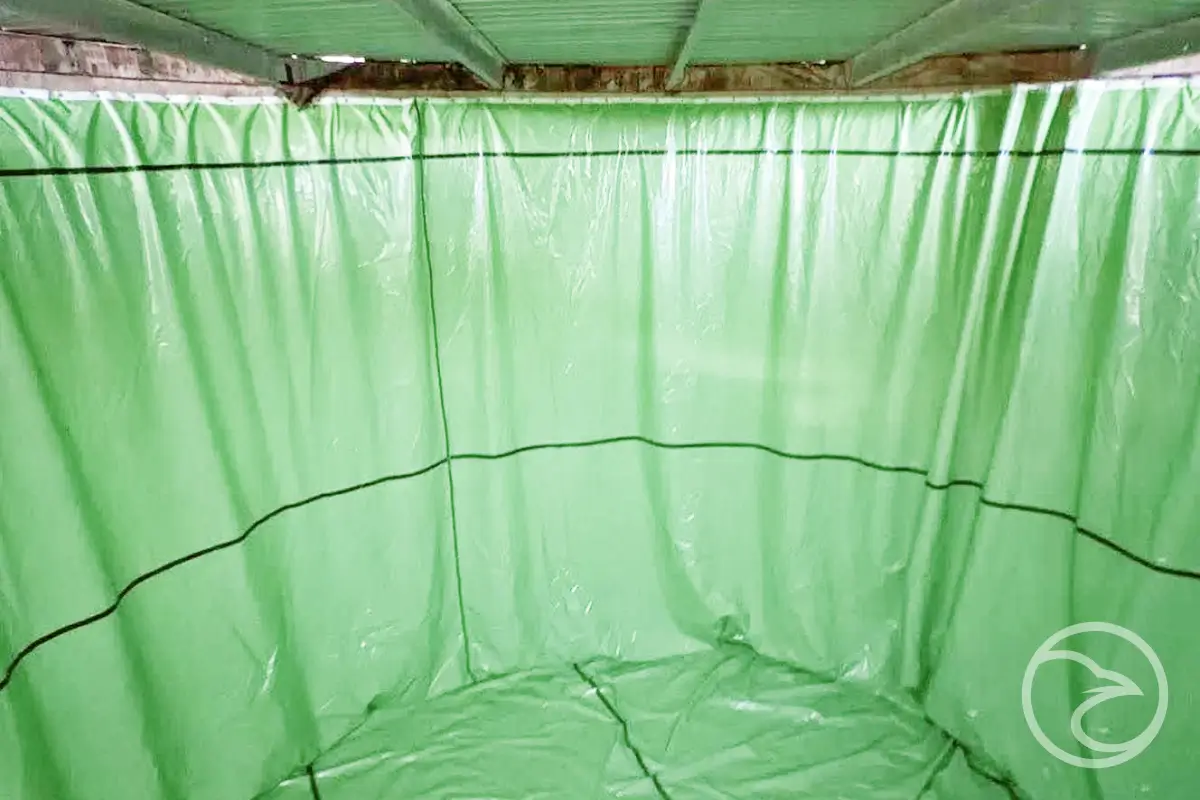
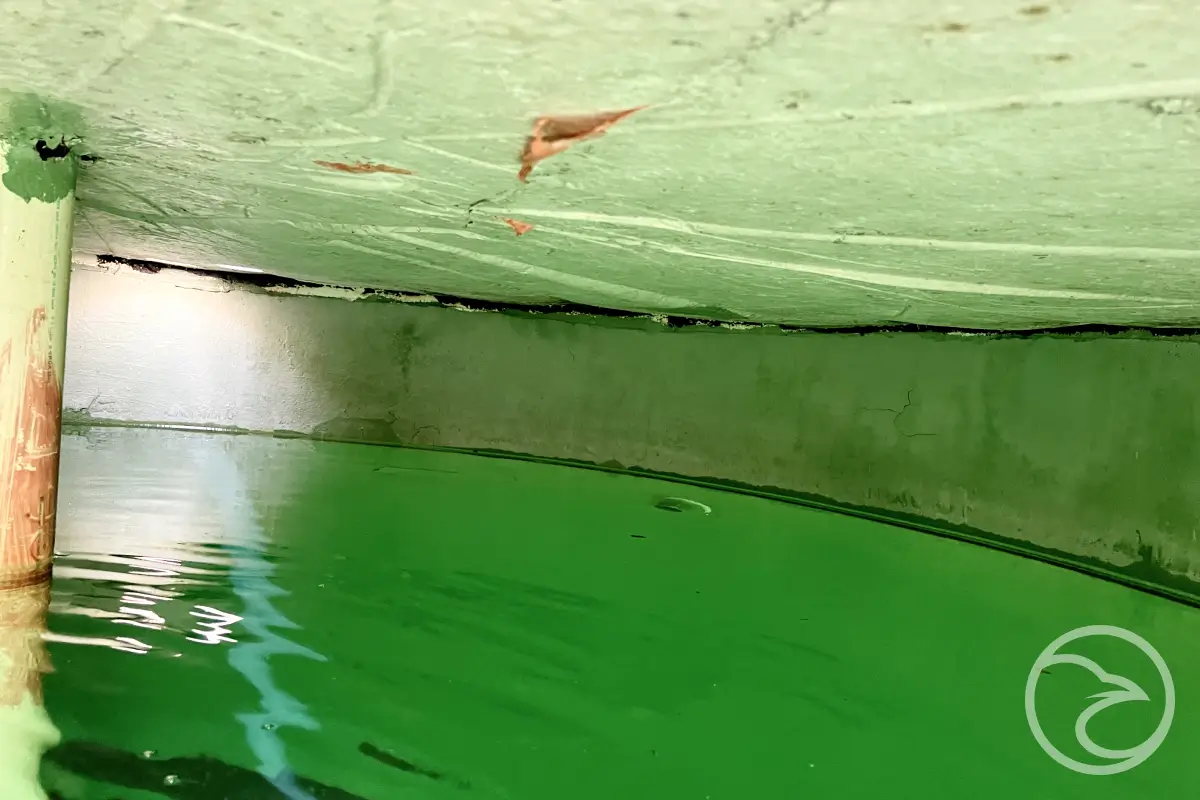
Internal coatings and tank liners are designed to create a protective barrier between stored water and structural materials. However, they are extremely sensitive to water quality changes. Poor water conditions cause:
- blistering
- peeling
- cracking
- chemical softening
- premature liner wear
Once a coating or liner fails, corrosion accelerates quickly. The tank may require major repairs or complete refurbishment long before its expected service life.
7. Water Quality and Internal Turnover are Closely Connected
Water turnover is essential for keeping water fresh and preventing stagnation. When turnover slows due to sediment, mechanical issues or environmental conditions, water quality declines. In turn, declining water quality further restricts turnover — creating a downward spiral that harms long-term tank health.
Regular quality checks ensure that turnover systems remain effective and that stored water stays stable and clean.
Final Recommendation
Water quality plays a far greater role in tank longevity than most facility managers realise. Contaminants, sediment, biological growth and chemical imbalances all contribute to internal deterioration, mechanical failures and reduced service life. Regular monitoring, combined with periodic inspection, cleaning and maintenance, helps break the cycle of deterioration and protects critical infrastructure.
By prioritising the health of their water quality tanks, industrial facilities in Sydney can significantly extend system lifespan, reduce long-term costs and maintain safe, compliant and reliable operations year-round.