Modular storage systems have become increasingly relevant in projects where durability, adaptability, and long-term performance are critical. A stainless steel modular tank is designed around these principles, combining corrosion-resistant material with a flexible structural approach. Rather than focusing on where such systems are used, understanding how they are constructed and designed provides clearer insight into their role within modern storage infrastructure.
This article explains the core construction principles and system design logic behind stainless steel modular tank systems.
What is a Stainless Steel Modular Tank?
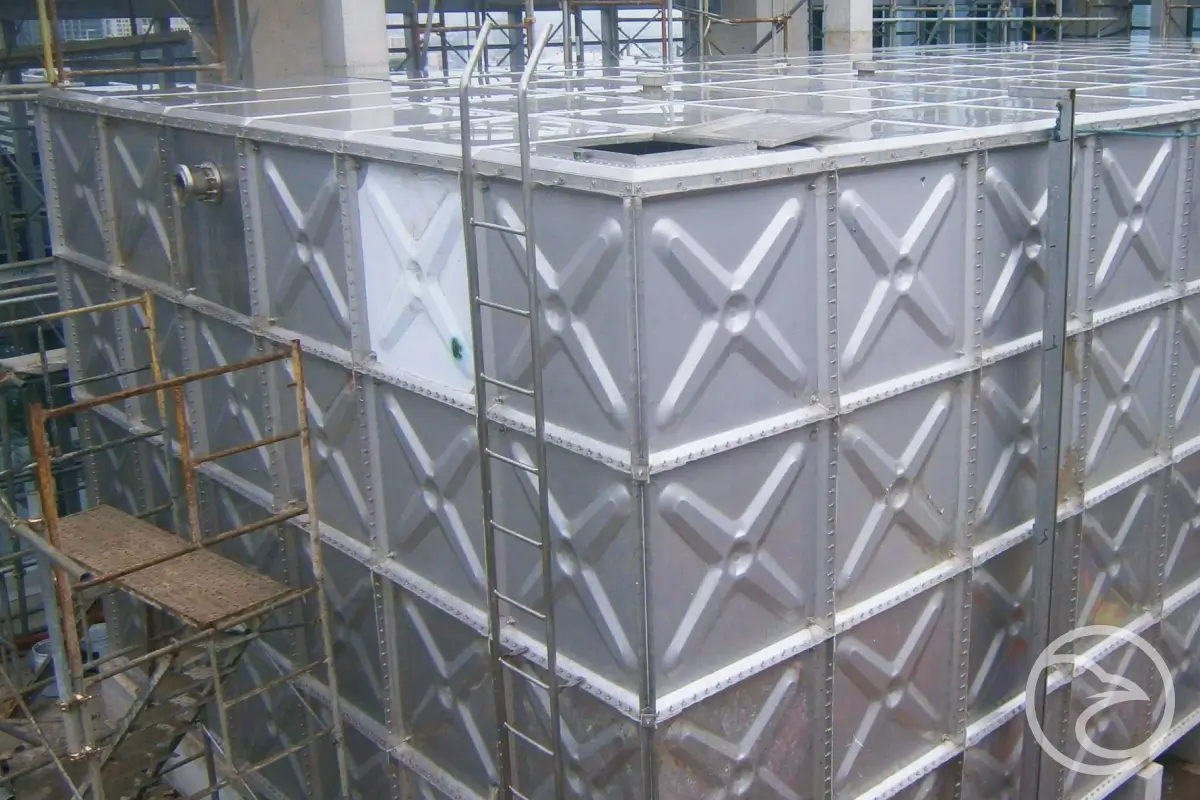
A stainless steel modular tank is a storage structure assembled from multiple prefabricated components rather than manufactured as a single, fixed unit. These components typically form the tank walls, base, and roof, creating a complete system through panel-based assembly.
The modular approach allows the tank structure to be configured according to specific volume and layout requirements. Stainless steel is selected for its strength, resistance to corrosion, and hygienic surface properties, making it suitable for long-term storage systems where material stability is essential.
Core Construction Principles of Modular Stainless Steel Tanks
The construction of a stainless steel modular tank follows several fundamental principles. First, structural loads are distributed across interconnected panels rather than concentrated within a single shell. This improves overall stability and reduces stress on individual components.
Second, modular construction relies on precision manufacturing. Panels are produced to consistent specifications, ensuring alignment and structural consistency once assembled. This uniformity supports predictable performance across the entire tank system.
Finally, modular construction prioritizes adaptability. The system is designed to allow changes in configuration while preserving structural integrity and material performance.
Panel-Based System Design and Structural Logic
Panel-based design forms the foundation of stainless steel modular tank systems. Individual panels are joined together to create a rigid, interconnected structure capable of maintaining shape and strength under operational loads.
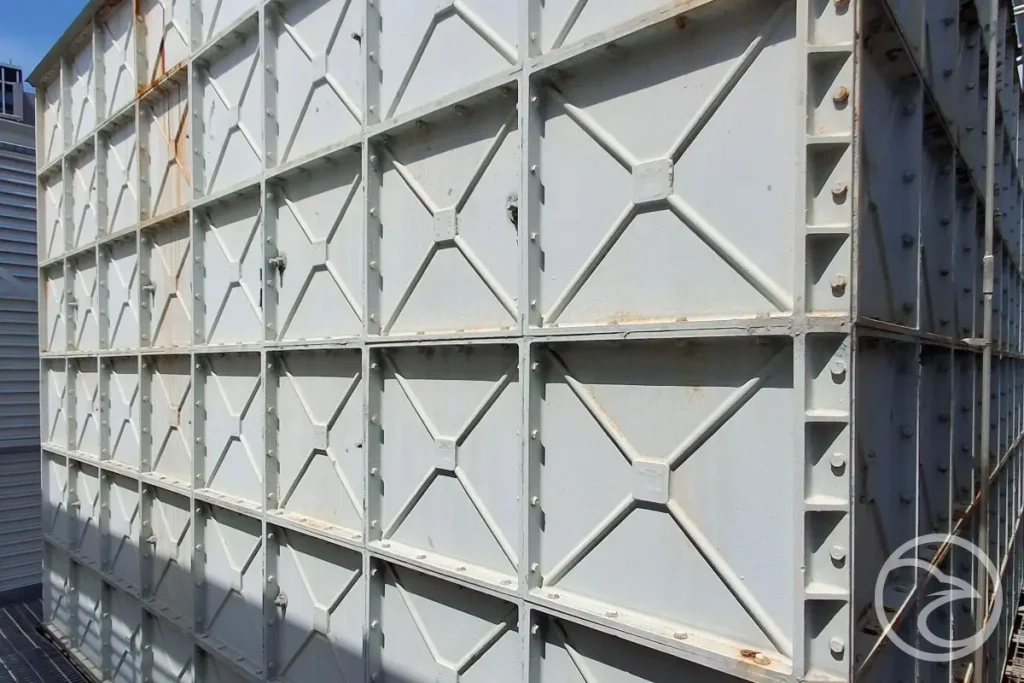
This design logic allows the tank to maintain consistent wall thickness and material properties throughout the structure. Panel connections play a critical role in ensuring stability, as they transfer loads evenly and support long-term reliability. The square or rectangular layouts commonly used in modular designs further contribute to efficient load distribution and structural balance.
Material Characteristics of Stainless Steel in Modular Tank Systems
Stainless steel offers several characteristics that support modular tank design. Its corrosion resistance helps protect the system from material degradation over time, particularly in environments where moisture exposure is constant.
The smooth surface of stainless steel also supports hygiene and reduces the likelihood of residue buildup. In addition, stainless steel maintains strength across a wide range of operating conditions, allowing modular systems to retain structural performance without relying on excessive material thickness.
These material properties align well with modular construction, where consistency and long-term durability are key design considerations.
Design Flexibility and System Configuration Considerations
One of the defining features of a stainless steel modular tank is design flexibility. Modular construction allows system configuration to be adjusted without altering core structural principles. Panels can be arranged to meet spatial constraints while maintaining uniform load distribution.
This flexibility supports long-term planning by enabling configuration changes as requirements evolve. System designers can focus on layout efficiency, access considerations, and structural consistency without being constrained by fixed dimensions.
Relationship Between Modular Construction and Sectional Tank Systems
Stainless steel modular tanks are closely linked to panel-based stainless steel systems, as sectional construction provides the structural framework that enables modularity. Panel-based configurations allow modular systems to scale and adapt while maintaining material continuity and structural integrity.
Understanding this relationship helps clarify how modular design principles are applied within stainless steel tank systems and why sectional construction remains central to their performance.
Conclusion
A stainless steel modular tank is defined by its construction principles and system design rather than its specific use cases. Through panel-based assembly, consistent material properties, and adaptable configuration, modular stainless steel tanks support durable and flexible storage solutions. Focusing on design logic and structural behavior provides a clearer understanding of how these systems achieve reliability and long-term performance.