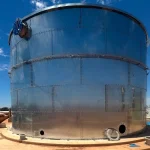

Water storage plays a crucial role in a wide range of industries, from manufacturing and logistics to utilities and infrastructure. The performance of an industrial water storage system is not defined by a single component, but rather by a combination of design, environmental factors, operational practices, and long-term management.
Rather than focusing on specific product types, this article explores the main drivers of industrial water storage performance, what impacts efficiency and longevity, and how organisations can plan for sustainable operation.
Design Considerations Impacting Performance
Effective water storage begins with thoughtful system design. This includes matching capacity to use cases, ensuring proper integration with ancillary systems (like fire protection, process water delivery, or irrigation), and selecting components that contribute to structural stability.
Key design elements often considered include:
- foundation preparation and base stability
- selection of structural materials appropriate to environmental exposure
- ease of access for inspection and maintenance
These elements interact to influence how well a storage system performs over its service life.
Environmental Factors and Exposure
Industrial water storage systems operate in varied environments — from coastal locations to inland facilities, from open yards to fully sheltered mechanical rooms. Each environmental context introduces unique stresses.
Environmental influences include:
- ultraviolet radiation exposure
- temperature extremes and thermal cycling
- humidity and rainfall
- airborne contaminants or corrosive elements
Understanding environmental conditions and incorporating protective measures into planning improves long-term performance.
Operational Practices and Usage Patterns
How a storage system is operated also affects its performance. Water turnover frequency, daily usage patterns, and load variability contribute to how consistently storage capacity is maintained.
For example:
- systems used primarily for fire reserve may remain static for long periods
- process water systems may see frequent cycling
- seasonal demand fluctuations influence fill and drain patterns
Efficient operational practices aim to align system usage with design expectations to reduce stress on structural elements and internal components.
Internal Water Conditions and Quality Management
Internal factors such as water chemistry, suspended solids, and sediment levels influence how a storage system behaves over time. While material selection (e.g., corrosion-resistant surfaces) contributes to baseline performance, internal water quality has a direct impact on performance and operational costs.
Organisations that monitor internal water conditions regularly can better manage sediment control, minimise contamination risk, and maintain consistent storage capacity.

Lifecycle Planning and Asset Management
In modern industrial operations, water storage is part of broader asset management frameworks. Organisations increasingly integrate storage system data into maintenance planning, condition monitoring, and lifecycle cost forecasting.
This integrated approach enables:
- prioritisation of maintenance actions based on risk
- optimisation of replacement timelines
- informed budgeting for repairs and upgrades
- improved alignment with operational goals
Strategic lifecycle planning ensures that industrial water storage systems continue to support core processes with minimal disruption.
Summary
Industrial water storage performance is shaped by a spectrum of factors, including design considerations, environmental context, operational load, maintenance practices, and lifecycle planning. By understanding and integrating these influences into system planning and management, organisations can enhance reliability and extend the useful life of their storage infrastructure.