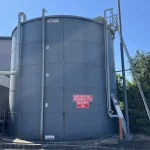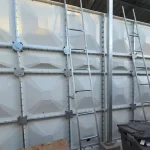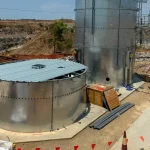

Storage tanks are widely used across industrial, municipal, agricultural, and commercial sectors for water, fuels, chemicals, and other liquids. Over time, environmental exposure, operational stress, and natural material ageing can gradually affect tank performance. Recognising the signs a storage tank needs refurbishment helps infrastructure owners make informed decisions about long-term asset management.
Understanding these signs does not necessarily imply immediate intervention, but it can support proactive planning and reduce unexpected operational disruptions.
Visible Structural Changes
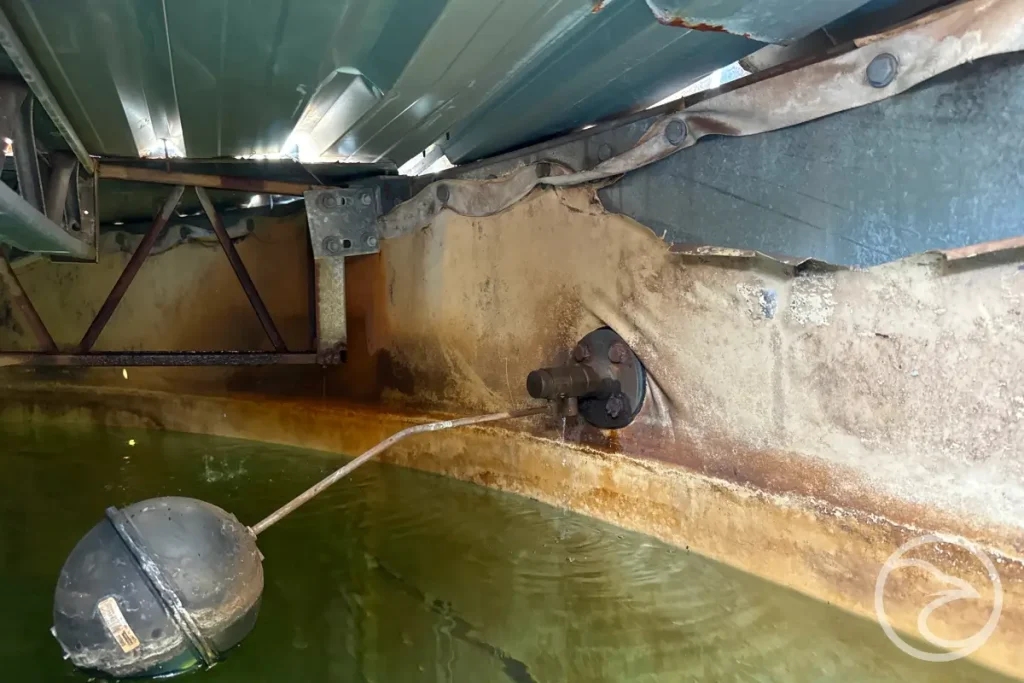
One of the most noticeable early signs involves visible structural changes. Surface corrosion, coating deterioration, minor cracking, or deformation may indicate material fatigue developing over time.
Environmental factors such as moisture exposure, temperature fluctuations, and chemical contact can accelerate these changes. Even when structural integrity remains intact, surface wear often signals the beginning of broader ageing processes.
Routine visual awareness helps track how conditions evolve rather than waiting for performance issues to emerge.
Coating and Protective Layer Degradation
Protective coatings play a critical role in tank longevity. These coatings shield materials from corrosion, chemical reactions, and environmental stress.
Signs of coating deterioration may include:
- Discoloration or fading
- Peeling or blistering surfaces
- Uneven protective coverage
- Surface roughness where smooth finishes once existed
When coatings begin to degrade, underlying materials become more vulnerable to accelerated wear.
Changes in Operational Performance
Performance shifts can sometimes appear before structural damage becomes visible. Reduced storage efficiency, altered flow characteristics, or unusual operational behaviour may indicate internal changes.
Sediment accumulation, internal corrosion, or subtle structural adjustments can all influence performance. Monitoring operational patterns helps identify trends that might otherwise go unnoticed.
Understanding these changes contributes to better lifecycle planning for storage infrastructure.
Environmental and Usage Factors
External conditions strongly influence how storage tanks age. Tanks exposed to harsh weather, industrial pollutants, salt air, or aggressive chemicals typically experience faster material degradation.
Usage patterns also matter. Tanks subject to frequent filling cycles, fluctuating temperatures, or variable chemical exposure may show signs of wear sooner than those operating under stable conditions.
Evaluating environmental context helps explain why similar tanks can age differently.
Internal Conditions and Hidden Ageing
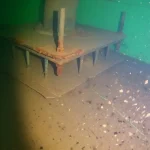
Not all deterioration is immediately visible from the outside. Internal surfaces may experience corrosion, scaling, or sediment buildup without obvious external indicators.
Over time, infrastructure management programs may reference approaches such as Tank Refurbishment Services within broader maintenance strategies, particularly when long-term performance trends suggest gradual ageing rather than sudden failure.
This perspective emphasises lifecycle awareness rather than reactive intervention.
Documentation and Long-Term Monitoring
Tracking inspection records, operational data, and maintenance history supports better decision-making. Documentation helps identify patterns that might not be apparent during isolated observations.
Key indicators often tracked include:
- Changes in structural appearance over time
- Coating condition trends
- Environmental exposure history
- Operational performance data
These insights help infrastructure stakeholders anticipate future needs while avoiding unnecessary disruptions.
A Lifecycle Perspective on Storage Tanks
Storage tanks are long-term assets designed to operate reliably for many years. However, no infrastructure remains static. Environmental exposure, operational conditions, and material ageing all influence how tanks perform over time.
General information about tank restoration approaches can help support a broader understanding of infrastructure lifecycle management.
Recognising the signs a storage tank needs refurbishment supports informed planning, improved reliability, and sustainable infrastructure management. By understanding how tanks evolve throughout their lifecycle, organizations can maintain safe and efficient storage conditions while preserving asset value.