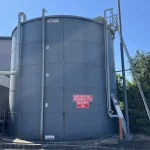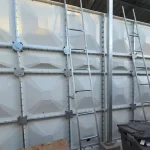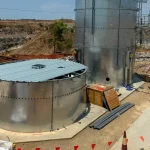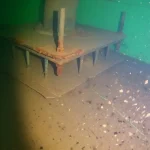
Emergency water storage systems play a critical role in infrastructure safety. Whether supporting fire suppression, industrial response systems, or backup supply networks, these tanks must remain fully operational at all times. Effective corrosion protection for emergency water storage is essential to ensure long-term reliability, structural integrity, and regulatory compliance.
Without proper internal protection, corrosion can compromise system readiness when it is needed most.
Why Corrosion is a Major Risk in Emergency Storage Systems
Emergency water tanks are often left in a static state for extended periods. Unlike continuously cycled systems, stored water may sit for months while internal surfaces remain exposed to oxygen and moisture.
Common corrosion triggers include:
- Dissolved oxygen in stored water
- Temperature fluctuations
- Condensation inside tank roofs
- Microbiological activity
- Inconsistent maintenance schedules
Over time, these factors lead to oxidation of steel surfaces or deterioration of concrete structures.
Structural Consequences of Internal Corrosion
When corrosion begins, the impact is rarely immediate. Instead, gradual material degradation reduces wall thickness and weakens structural components.
Potential consequences include:
- Pitting and surface scaling
- Weld seam deterioration
- Roof support weakening
- Sediment accumulation
- Leakage development
In emergency systems, even minor structural compromise presents serious operational risk.
Protective Barriers as a Corrosion Control Strategy
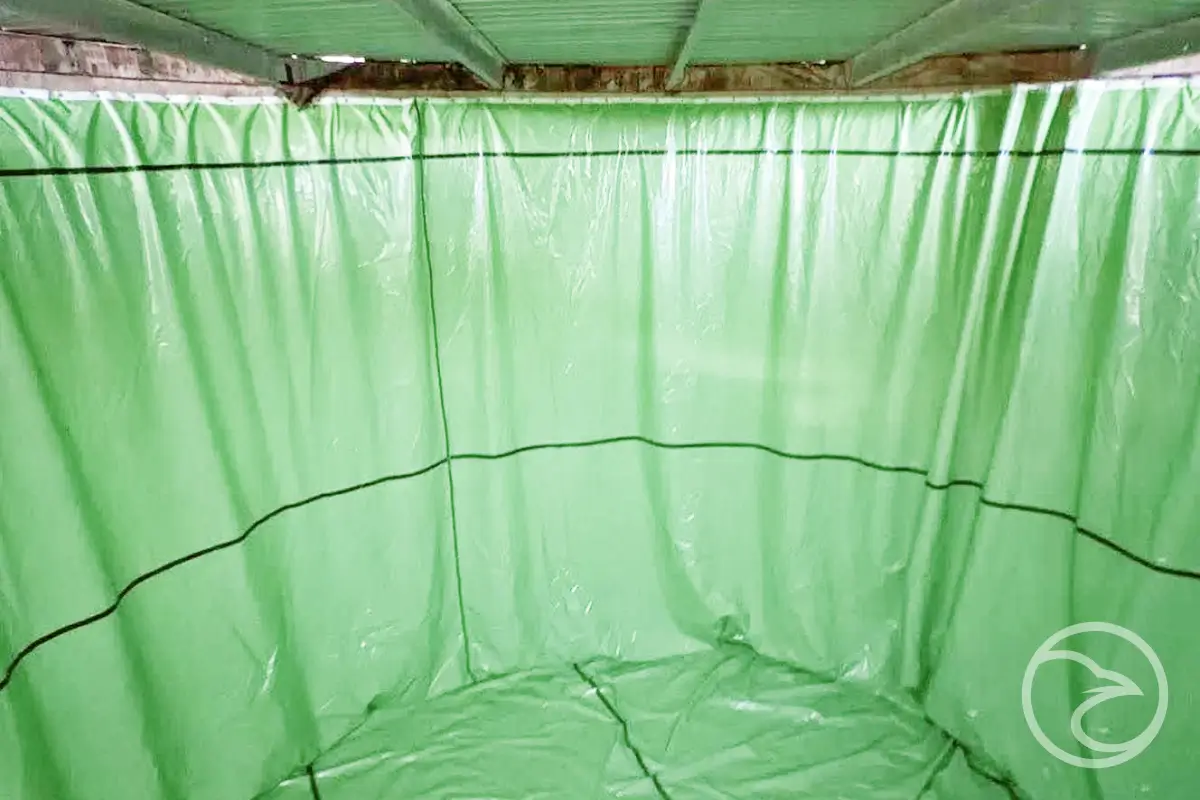
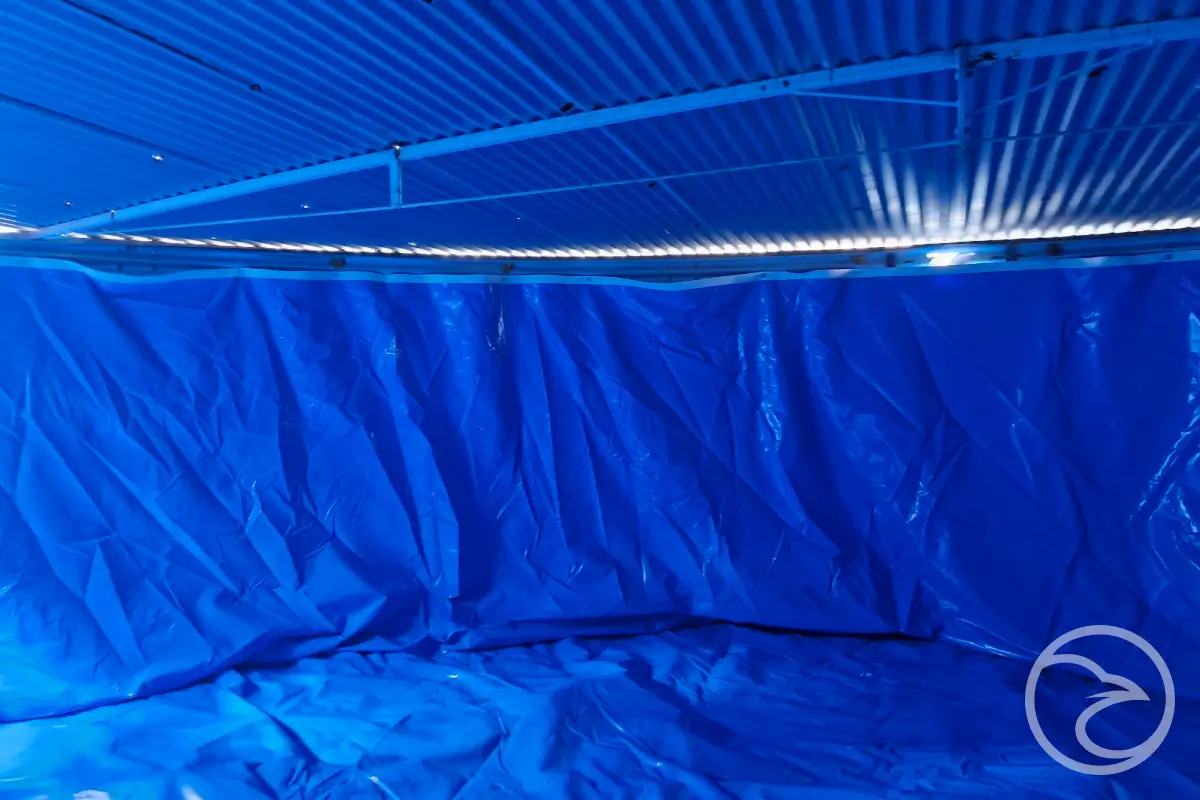
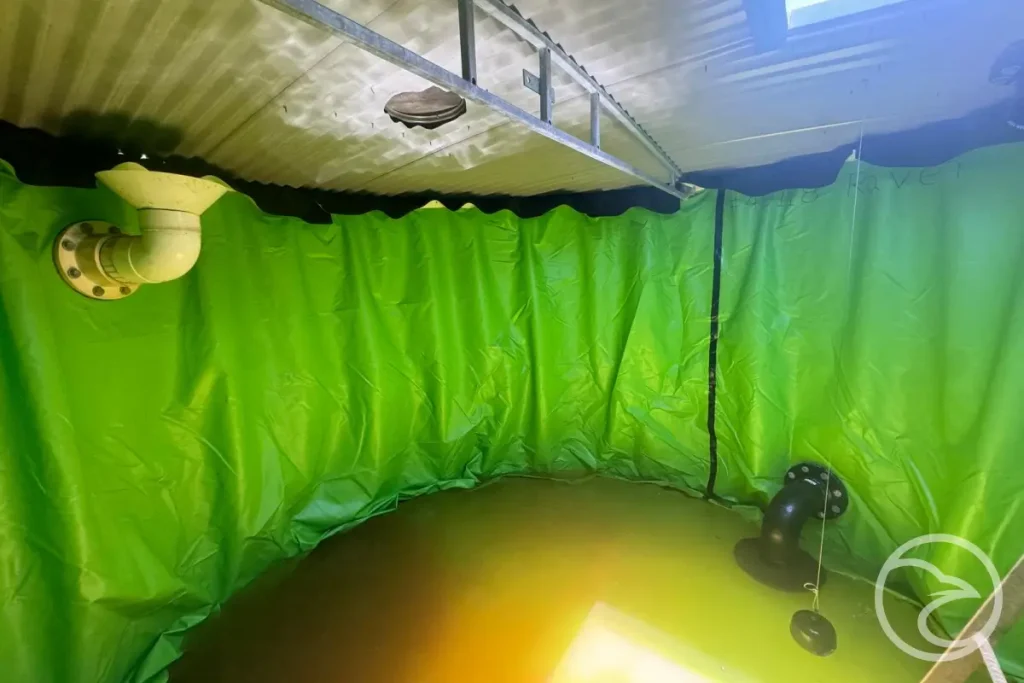
One of the most effective approaches to corrosion protection for emergency water storage is the installation of internal protective barriers. These systems create separation between stored water and the tank shell.
Protective strategies may include:
- Flexible membrane liners
- Protective coating systems
- Cathodic protection
- Seal reinforcement at panel joints
By isolating structural materials from direct water contact, protective barriers significantly slow oxidation and chemical interaction.
In many facilities, fire water tank lining is used as a dedicated internal barrier to ensure long-term corrosion resistance in high-risk systems.
Environmental and Operational Factors to Consider
Corrosion risk varies depending on environmental and operational conditions. Facilities located in coastal regions, for example, may experience higher humidity and airborne salt exposure.
Key factors influencing corrosion protection planning include:
- Local climate conditions
- Water chemistry
- Tank construction material
- Age of infrastructure
- Inspection frequency
Understanding these variables allows operators to design appropriate protection strategies rather than relying on reactive repairs.
The Role of Regular Inspection
Even with protective systems in place, routine inspection remains essential. Internal assessments help identify early-stage deterioration before structural damage spreads.
Inspection programs typically focus on:
- Surface condition monitoring
- Joint and seam integrity
- Coating or membrane adhesion
- Sediment buildup
- Early signs of metal thinning
Proactive inspection reduces the likelihood of emergency system failure and supports long-term asset planning.
Lifecycle Cost Benefits of Corrosion Protection
Investing in corrosion protection for emergency water storage often results in substantial long-term savings. Preventive measures reduce:
- Unplanned structural repairs
- Emergency shutdowns
- Environmental liability risks
- Regulatory penalties
Because emergency water systems are critical infrastructure components, maintaining their integrity is significantly more cost-effective than managing failure consequences.
For a detailed overview of internal protection solutions, you can explore our dedicated service page.
Planning for Long-Term Infrastructure Resilience
Emergency water storage systems must be prepared for unpredictable events. Structural failure during a critical response scenario can have severe operational and safety implications.
A comprehensive corrosion protection strategy includes:
- Material selection aligned with water chemistry
- Proper internal barrier installation
- Scheduled inspections
- Early intervention when deterioration appears
By prioritizing internal protection, facility managers strengthen overall infrastructure resilience.
Final Thoughts
Corrosion protection for emergency water storage is not simply a maintenance concern — it is a risk management priority. Over time, moisture exposure, oxygen interaction, and environmental conditions can degrade internal tank structures.
Implementing effective protective barriers, maintaining inspection programs, and addressing early warning signs help ensure that emergency systems remain reliable when they are needed most.