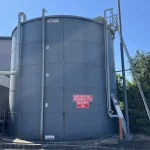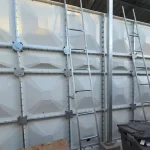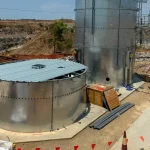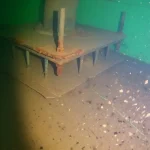
Fire tank liners are essential for maintaining water integrity. They protect the internal structure and prevent leaks over time.
Regular inspection helps detect early signs of damage. This fire tank liner inspection guide explains how to assess liner condition step by step.
What is a Fire Tank Liner
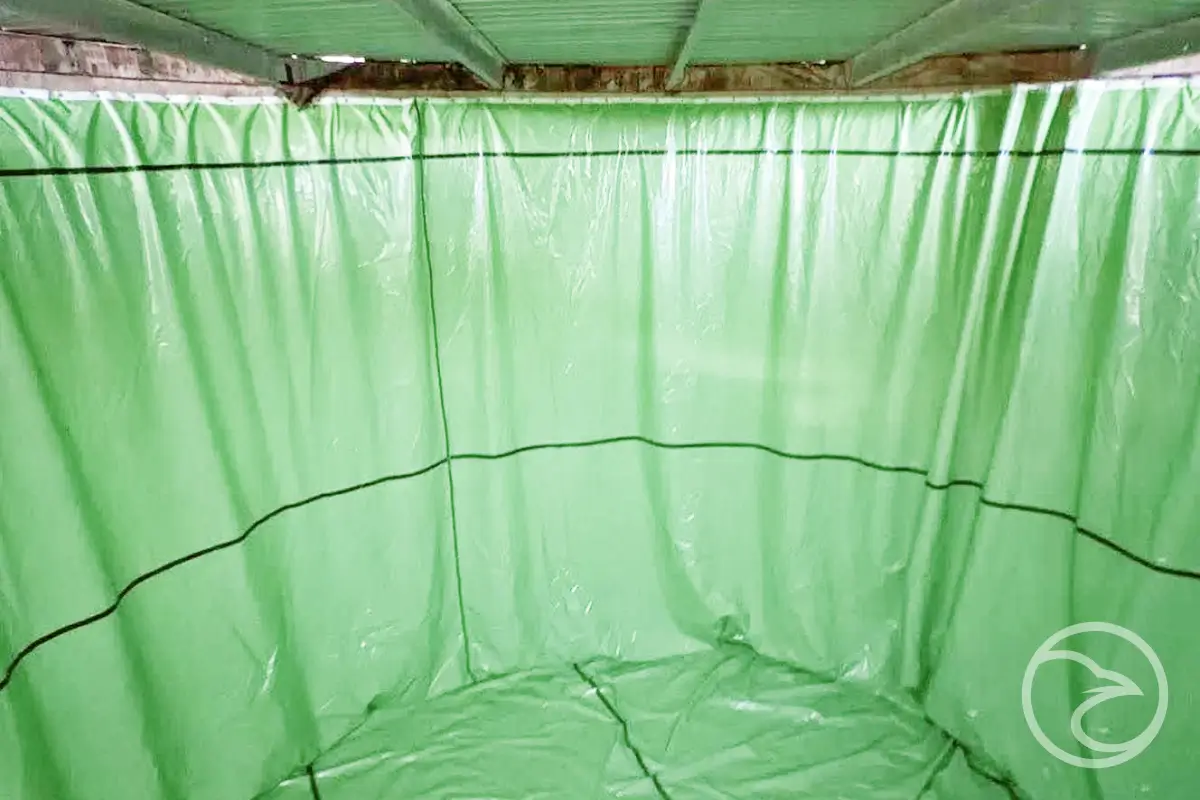
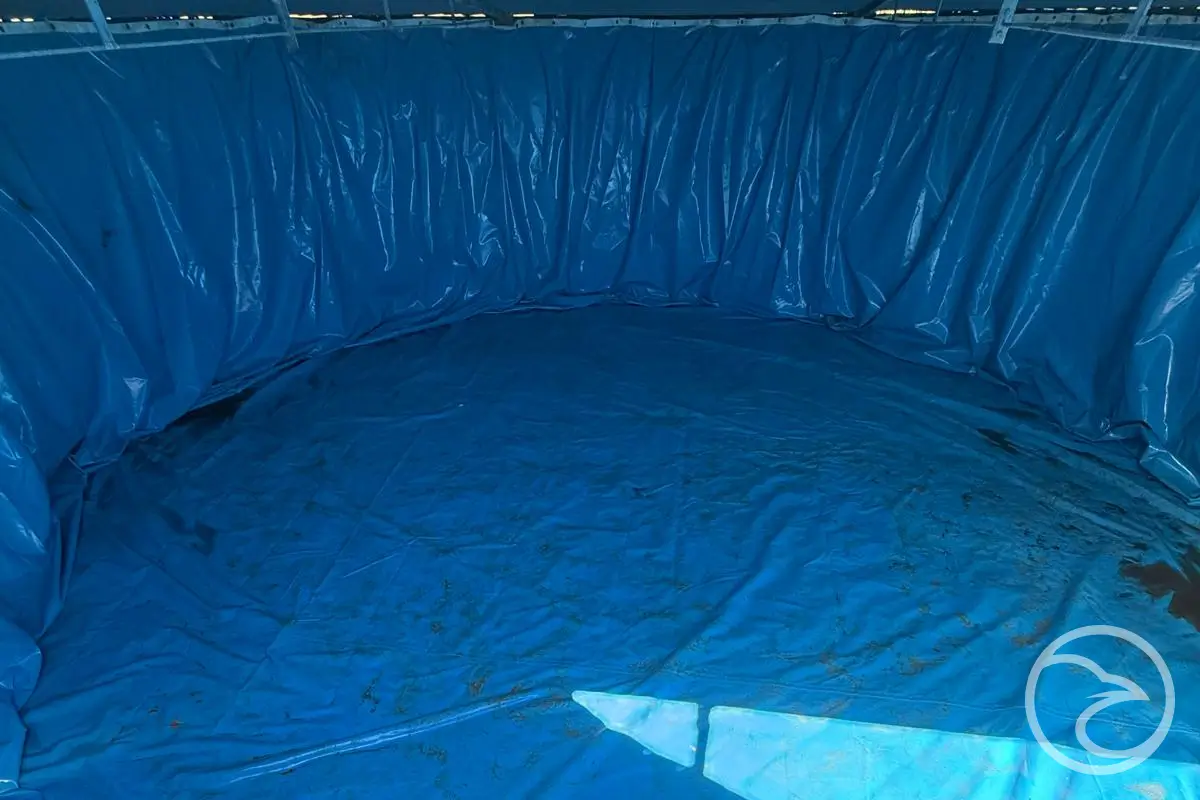
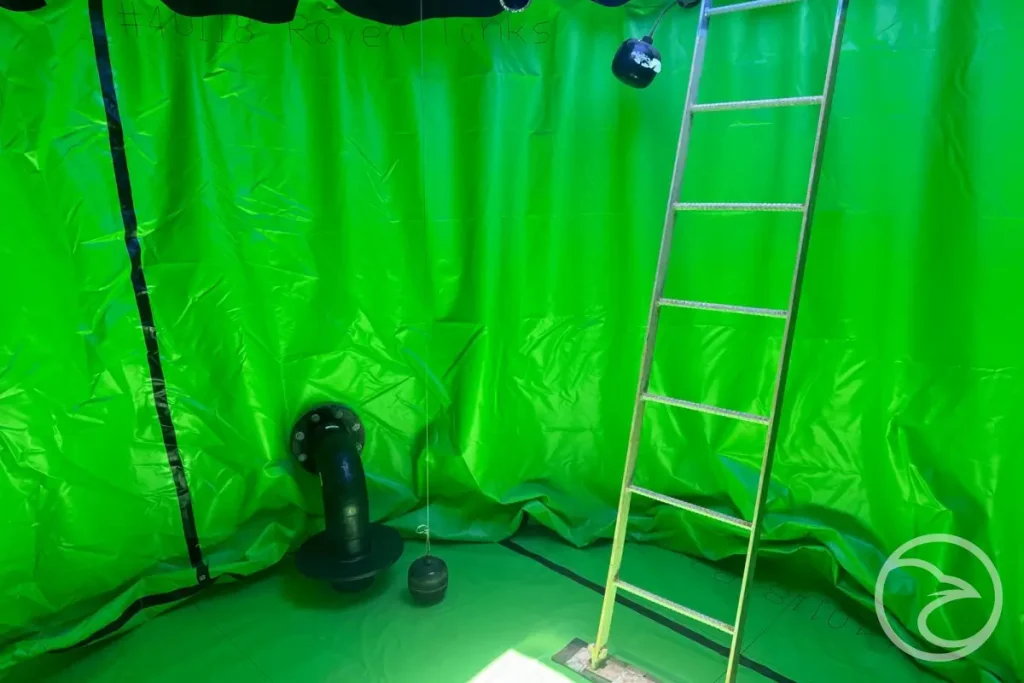
A fire tank liner is a flexible internal membrane. It creates a barrier between water and the tank structure. Most liners are made from PVC or reinforced materials. They are designed for durability and chemical resistance.
Without a proper liner, corrosion and leaks can develop quickly. This reduces system reliability and fire readiness.
Why Liner Inspection Matters
Liner issues are not always visible from the outside. Damage often develops gradually inside the tank. Small defects can expand under constant water pressure. Over time, they can lead to serious failures.
Routine inspections help identify these risks early. They also support compliance with maintenance standards.
For a full system assessment, consider fire tank inspections. Liner checks are only one part of the overall process.
When to Inspect a Fire Tank Liner
Inspection frequency depends on several factors. These include tank age, usage, and environmental conditions. Most systems require at least annual checks. Older liners may need more frequent monitoring.
You should also inspect after any unusual event. This includes repairs, contamination, or sudden water loss.
Consistent scheduling helps prevent unexpected failures. It also extends the lifespan of the liner.
Key Signs of Liner Damage
Certain warning signs indicate potential liner problems.
These should never be ignored during maintenance:
- Unexplained drops in water level
- Damp areas around the tank base
- Changes in water color or clarity
- Unusual odors from stored water
- Visible debris inside the tank
These symptoms often point to internal issues. Prompt inspection is recommended when they appear.
How Fire Tank Liner Inspections are Performed
Inspection methods vary depending on tank design. Both visual and technical approaches are used. External inspections are usually performed first. They focus on leaks, deformation, and structural stress.
Internal inspections provide more detailed insights. These may require tank access or remote equipment. Modern inspections may use drones or robotic systems. These tools improve safety and reduce downtime.
A structured process ensures accurate results. It also helps detect hidden defects early.
Fire Tank Liner Inspection Checklist
A checklist helps standardize the inspection process. It ensures that all critical areas are evaluated.
Key inspection points include:
- Overall surface condition of the liner
- Integrity of seams and welded joints
- Attachment points and edges
- Signs of stretching or deformation
- Presence of sediment or contamination
- Evidence of biological growth
Each of these areas affects liner performance. Missing one can lead to incomplete assessment.
Common Problems Found During Inspections
Several types of damage are frequently identified. Understanding them helps with early detection.
Tears and Punctures
Mechanical damage can occur during use or maintenance. Even small punctures can worsen over time.
Seam Failures
Seams are more vulnerable than flat surfaces. Failure here can cause rapid leakage.
Wrinkling and Misalignment
Improper installation can create folds in the liner. These areas are prone to stress and wear.
Material Degradation
Exposure to chemicals or UV can weaken the liner. This leads to brittleness and cracking.
Biological Growth
Poor water quality can lead to algae buildup. This affects both hygiene and liner condition.
Preventive Maintenance Tips
Regular maintenance reduces the risk of liner damage. It also improves long-term system performance. Keep the tank clean and free of debris. Monitor water quality consistently.
Avoid sharp objects inside the tank. Ensure proper installation and support structures.
Schedule inspections as part of routine maintenance. Early detection is always more cost-effective.
How Inspection Supports System Reliability
A well-maintained liner ensures stable water storage. It protects both the tank and the water supply. Inspection helps prevent unexpected leaks and failures. It also supports compliance with safety requirements.
Reliable systems are critical during emergencies. That is why liner condition should never be overlooked.
Final Thoughts
Fire tank liner inspections are a key part of system maintenance. They help identify issues before they become critical. A structured inspection approach improves accuracy. It also ensures that no important detail is missed.
Using a clear checklist simplifies the process. It makes inspections more consistent and effective.
When combined with broader maintenance practices, inspections add real value. They help keep fire protection systems ready at all times. This is why following a fire tank liner inspection guide is essential for consistent results.