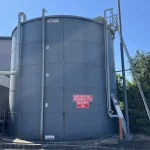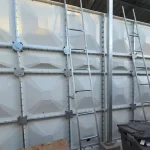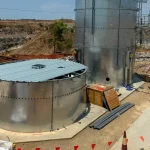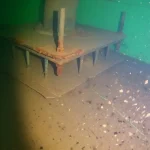
Industrial facilities rely on fire water tanks to maintain emergency preparedness and operational safety. Regular inspections help ensure these systems remain structurally reliable and compliant.
Traditional inspection methods often require confined space entry, scaffolding, or system shutdowns. Drone technology now provides a faster and safer inspection alternative for many facilities.
Understanding the benefits of drone fire tank inspections helps businesses improve maintenance planning, reduce risks, and support long-term asset performance.
Why Fire Tank Inspections Matter
Fire water tanks must remain fully operational during emergencies. Structural damage, corrosion, liner deterioration, and leaks may reduce system reliability over time. Routine inspections help identify problems before they affect fire protection performance.
Facilities responsible for emergency water systems often review why fire water tank compliance inspections matter to better understand inspection requirements and long-term maintenance responsibilities.
Improved Inspection Safety
Safety is one of the biggest advantages of drone inspections.
Traditional fire tank inspections may expose workers to:
- confined spaces
- elevated work areas
- slippery surfaces
- restricted access environments
Drone technology reduces the need for personnel to enter hazardous locations. Remote inspections help minimize workplace risks while still capturing detailed visual data.
This approach improves overall inspection safety for industrial facilities.
Faster Inspection Processes
Drone inspections significantly reduce inspection time. Traditional methods may require extensive setup, scaffolding installation, and operational downtime. Drone systems can inspect large areas much more efficiently.
Faster inspections help facilities:
- reduce disruptions
- improve maintenance scheduling
- access inspection data quickly
- minimize operational delays
Reduced downtime becomes especially valuable for large industrial operations.
Better Access to Difficult Areas
Some fire tanks contain areas that are difficult to inspect manually. Internal roofs, elevated sections, and narrow structural spaces may limit visibility during traditional inspections. Drone technology improves access to these hard-to-reach areas without requiring extensive equipment.
This allows inspectors to evaluate:
- roof structures
- internal surfaces
- welds
- support systems
- liner conditions
Facilities using advanced inspection methods often incorporate drone inspection fire tank services to improve visibility inside complex water storage systems.
High-Quality Visual Data
Modern drone systems capture detailed images and video footage during inspections.
High-resolution visual data helps inspectors identify:
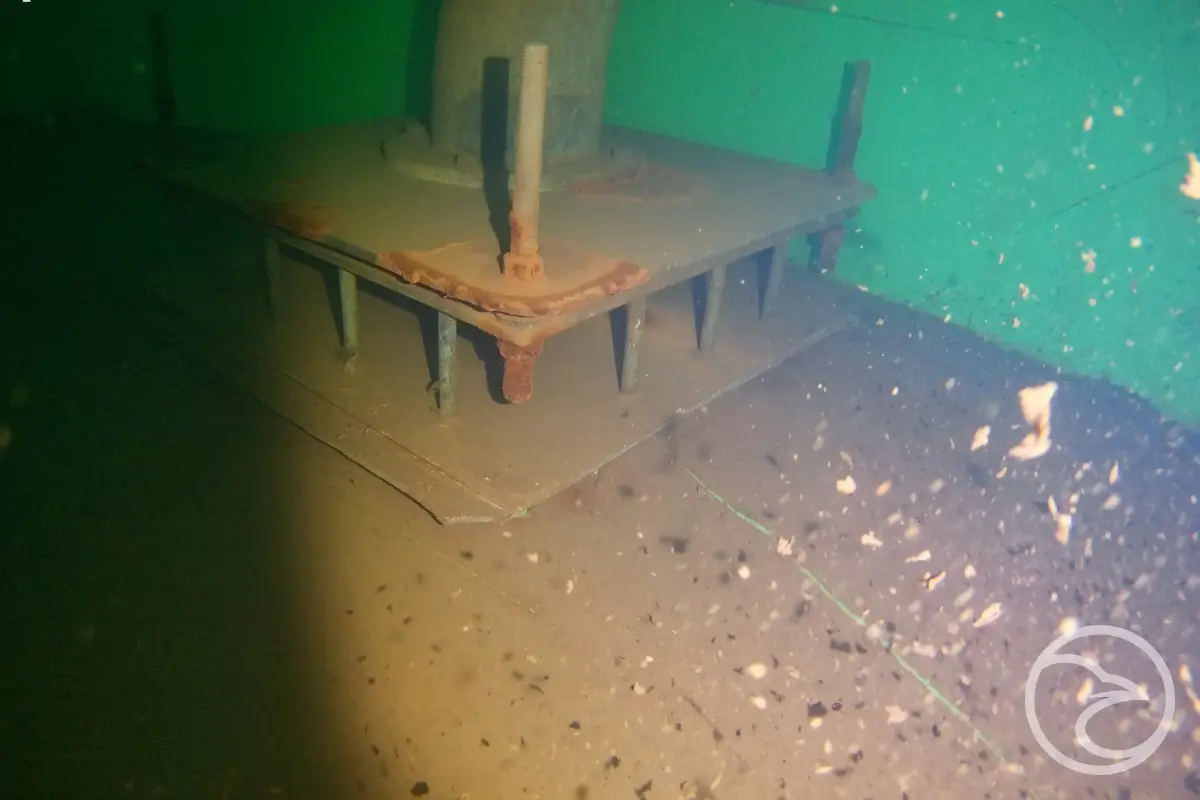
- corrosion
- cracks
- coating deterioration
- structural damage
- moisture intrusion
Detailed imaging improves inspection accuracy and supports long-term maintenance planning. Digital inspection records also simplify future condition comparisons.
Reduced Operational Disruption
Many industrial facilities operate continuously and cannot tolerate extended shutdowns. Traditional inspections may interrupt operations or require temporary system isolation.
Drone inspections help reduce operational disruption by limiting manual access requirements. Some inspections can occur with minimal interruption to facility activities.
This efficiency supports better maintenance coordination and operational continuity.
Improved Inspection Coverage
Drone systems can inspect larger surface areas quickly and consistently. Traditional inspections may overlook certain sections because of access limitations or visibility challenges.
Drone technology improves inspection coverage across:
- roofs
- wall surfaces
- seams
- structural supports
- internal tank areas
Comprehensive inspections help identify small issues before they become major structural problems.
Better Maintenance Planning
Accurate inspection data improves maintenance decision-making.
Drone footage allows maintenance teams to:
- prioritize repairs
- monitor deterioration
- compare historical conditions
- schedule preventive maintenance
Early detection helps reduce emergency repair costs and unexpected failures. Facilities focused on long-term storage reliability often review fire water storage integrity to improve inspection planning and infrastructure protection strategies.
Cost Efficiency Benefits
Drone inspections may reduce overall inspection expenses.
Traditional inspection methods often involve:
- scaffolding costs
- confined space permits
- additional labor
- extended downtime
Drone technology reduces many of these operational expenses. Although professional drone inspections still require qualified operators, the process often improves long-term cost efficiency.
Reduced repair costs also contribute to operational savings.
Improved Liner Inspection Visibility
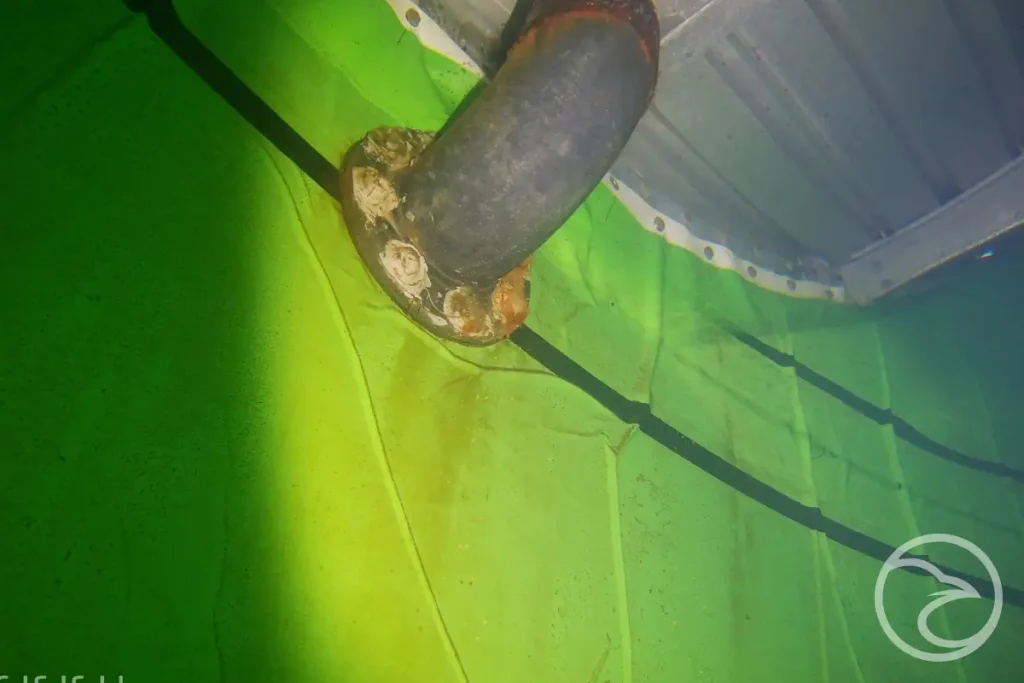
Internal tank liners require regular condition monitoring.
Drone inspections help assess:
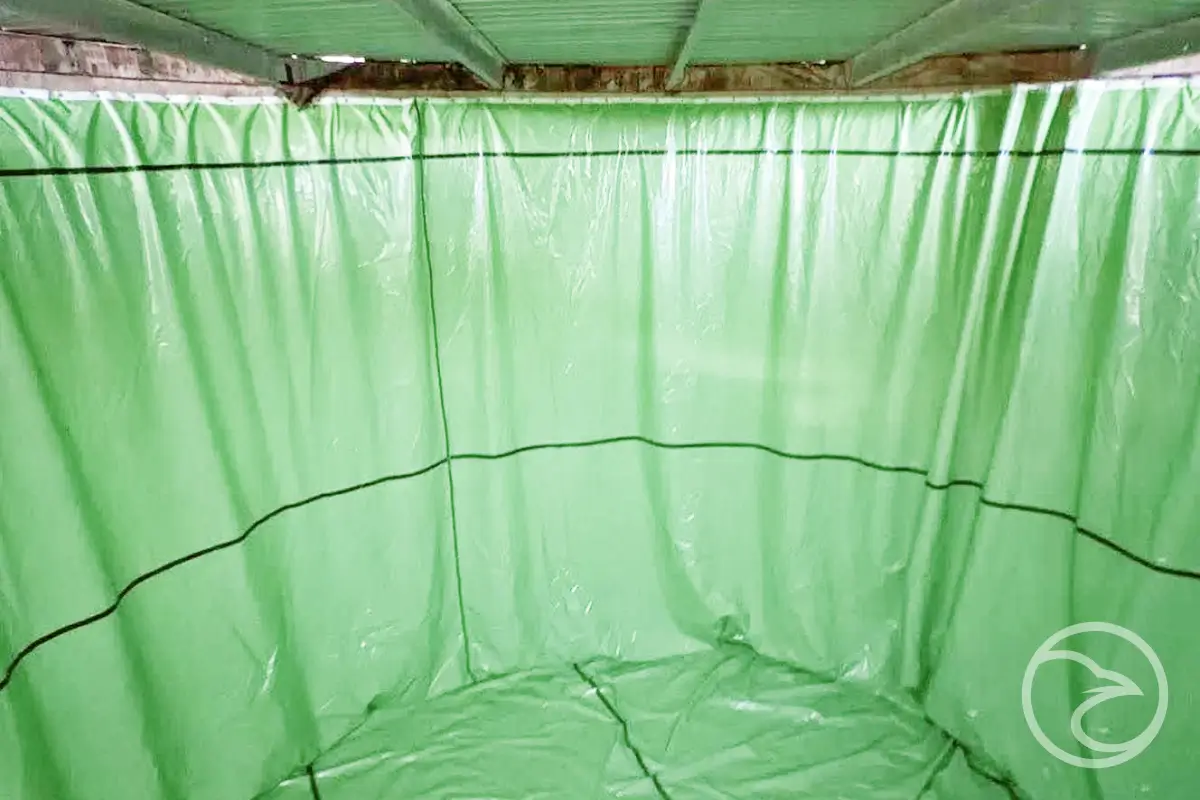
- liner separation
- blistering
- surface damage
- seam deterioration
Detailed visual inspections improve early damage detection. Facilities responsible for liner maintenance often consult fire tank liner inspection guide to better understand inspection priorities and liner performance risks.
Environmental and Compliance Support
Drone inspections also support environmental monitoring and compliance documentation.
Digital inspection records create clear documentation for:
- maintenance history
- condition reporting
- inspection scheduling
- compliance verification
Accurate records improve reporting efficiency and long-term asset management.
Why Drone Inspections are Growing in Popularity
Industrial facilities increasingly use drone technology because it improves efficiency and reduces safety risks.
As inspection technology advances, drones continue supporting:
- faster assessments
- detailed reporting
- safer inspections
- proactive maintenance
Drone systems are becoming an important tool for modern fire water tank management.
Final Thoughts
Drone fire tank inspections provide major advantages for industrial facilities. Improved safety, faster inspections, reduced operational disruption, and high-quality visual data all support more effective maintenance programs.
Drone technology also improves access to difficult inspection areas and helps facilities identify structural issues earlier. As industrial inspection methods continue evolving, the benefits of drone fire tank inspections are becoming increasingly valuable for maintaining reliable fire water storage systems.