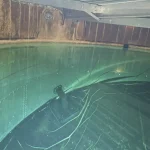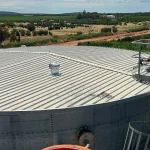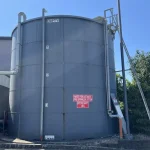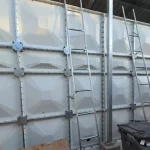
A water tank roof protects stored water from environmental contamination and helps maintain the tank’s overall condition. However, roofs remain exposed to weather, moisture, temperature changes, and gradual material deterioration.
Corrosion, damaged seals, loose fasteners, and weakened supports can develop before obvious structural problems appear. These defects may affect water quality, maintenance costs, and the reliability of commercial and industrial storage systems.
Regular tank roof inspections help facility managers identify visible deterioration, assess potential risks, and determine whether further investigation is necessary.
This guide explains common roof defects, professional inspection methods, warning signs, and the factors influencing repair or replacement decisions.
Why are Tank Roof Inspections Important?
Tank roofs perform several functions beyond covering stored water. Depending on the tank’s design, they help prevent external contaminants from entering and protect internal components from environmental exposure.
A damaged roof may allow rainwater, debris, insects, birds, or other contaminants to enter the storage system. This is particularly concerning for potable water tanks, where maintaining water quality is essential.
Roof deterioration can also affect the tank’s structural performance. Corrosion around supporting members, weakened connections, or distorted panels may create risks that extend beyond the roof covering.
Routine inspections help identify these problems before they become more extensive.
Key benefits include:
-
Early identification of corrosion and material deterioration.
-
Detection of damaged roof panels, seals, and fasteners.
-
Assessment of roof supports and visible structural defects.
-
Reduced risk of contamination through damaged openings.
-
Better planning of maintenance and repair activities.
-
Improved documentation of tank condition over time.
For fire water storage tanks, roof inspections also support broader maintenance programs intended to preserve system reliability.
Common Water Tank Roof Defects
Different roof materials and construction methods experience different forms of deterioration. Inspectors must consider the tank’s age, operating environment, roof design, and previous maintenance history.
1. Corrosion of Steel Roof Components
Corrosion is a common concern for steel tank roofs, particularly where protective coatings have deteriorated. Moisture, condensation, and environmental exposure can gradually damage exposed metal surfaces.
Inspectors may identify:
-
Rust around roof panels and seams.
-
Corrosion near bolts and fasteners.
-
Deterioration around roof penetrations.
-
Damaged protective coatings.
-
Rust staining beneath roof supports.
-
Localised pitting or visible metal loss.
Coastal environments around Sydney may increase corrosion exposure because of airborne salts. Visible rust does not necessarily indicate serious structural damage. However, extensive corrosion or suspected material loss may require additional testing.
2. Damaged or Deformed Roof Panels
Roof panels can deteriorate through ageing, environmental exposure, impact, or inadequate support. Common defects include cracking, distortion, sagging, and damaged panel connections.
Deformation may indicate that the roof is experiencing unexpected loads or that supporting components have deteriorated. Inspectors should assess whether the damage is isolated or affects multiple sections.
Significant deformation requires professional assessment before repair decisions are made.
3. Loose Fasteners and Deteriorated Connections
Bolted roof systems depend on properly maintained connections. Over time, fasteners may loosen, corrode, or deteriorate. Damaged connections can allow movement between roof components and compromise weather protection.
Potential warning signs include:
-
Missing or visibly loose bolts.
-
Corroded fasteners.
-
Gaps between adjoining panels.
-
Damaged washers or sealing components.
-
Movement or distortion around connections.
Connection defects should be assessed alongside the surrounding roof material. Replacing a fastener alone may not resolve problems caused by damaged panels or weakened supporting structures.
4. Failed Seals and Roof Penetrations
Tank roofs often contain access hatches, ventilation openings, inspection points, and other penetrations. These locations can become vulnerable when seals deteriorate or components are incorrectly installed.
Damaged seals may allow rainwater, dust, insects, or other contaminants to enter. Inspectors should examine hatch covers, gaskets, penetration seals, ventilation screens, and surrounding roof surfaces.
For potable water storage, protecting these openings is particularly important.
5. Deteriorated Roof Supports
Roof beams, rafters, brackets, and other supporting components help maintain structural stability. Corrosion, deformation, damaged connections, or material deterioration may reduce their effectiveness.
Some support defects are difficult to identify from outside the tank. Internal inspections may therefore be necessary when roof movement, sagging, or unusual deformation is observed.
Significant support deterioration should be assessed by a suitably qualified structural professional.
6. Damaged Protective Coatings
Protective coatings help reduce corrosion exposure on certain metal roof systems. Over time, coatings may crack, blister, peel, or lose adhesion.
Damaged coatings can expose underlying steel to moisture and environmental conditions. Inspectors should distinguish between isolated coating defects and widespread deterioration.
Visual examination can identify suspicious areas, but additional testing may be needed to evaluate coating performance.
Early Warning Signs of Tank Roof Deterioration
Roof problems often develop gradually. Recognising early changes can help prevent more extensive damage. Facility managers should pay attention to the following conditions.
| Warning sign | Possible concern |
|---|---|
| Rust staining | Corrosion of roof panels, connections, or supports |
| Sagging roof sections | Deformation or weakened structural support |
| Loose or missing fasteners | Deteriorated connections |
| Water entering through roof openings | Damaged seals, hatches, or penetrations |
| Peeling protective coatings | Increased exposure of underlying materials |
| Visible gaps between panels | Connection movement or damaged seals |
| Repeated repairs in the same area | An unresolved underlying defect |
| Damaged access hatches | Contamination and maintenance access concerns |
These signs do not automatically mean that roof replacement is necessary. Their significance depends on the extent of damage, the roof’s structural condition, and the tank’s intended use.
How do Professionals Inspect Water Tank Roofs?
A professional tank roof inspection involves examining accessible components, documenting visible defects, and identifying areas requiring further assessment. The appropriate inspection method depends on roof height, construction, access restrictions, and safety requirements.
External Visual Inspection
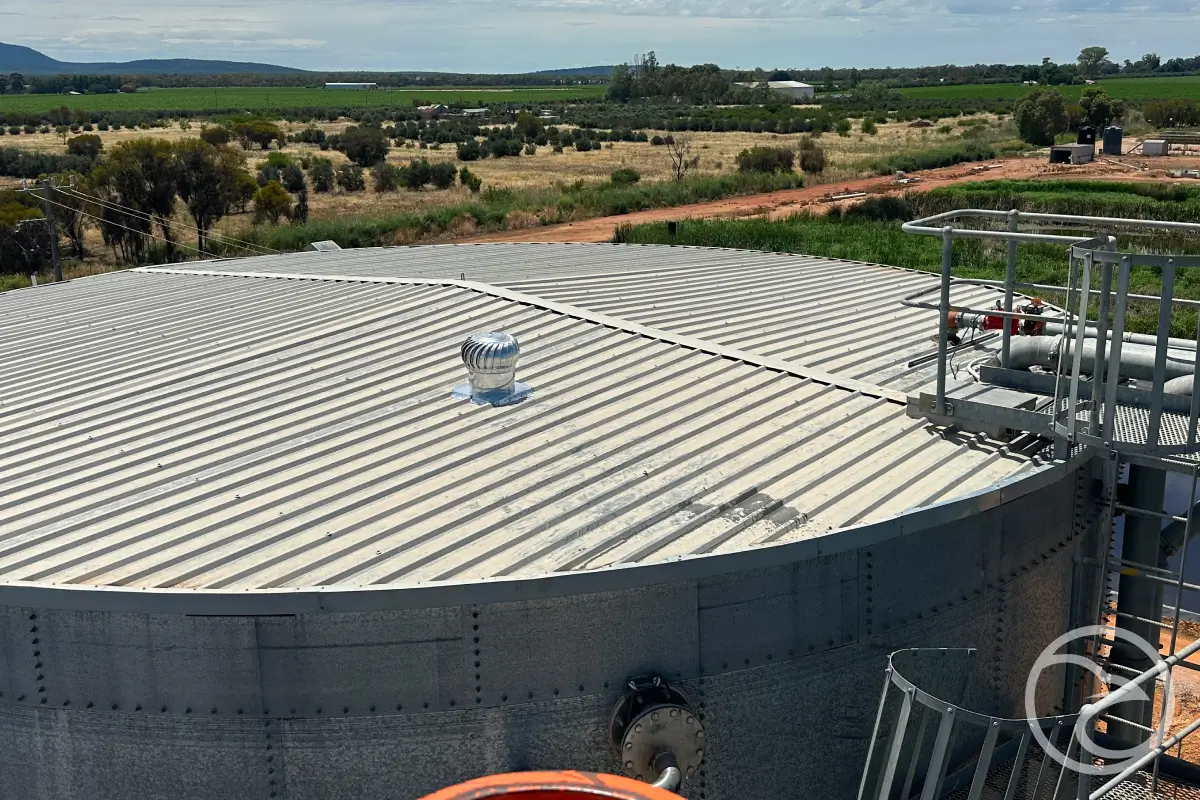
External inspection is often the first stage of a roof condition assessment. Inspectors examine accessible roof surfaces and surrounding components for visible deterioration.
Typical inspection areas include roof panels, seams, fasteners, access hatches, ventilation openings, and perimeter connections. They may also look for corrosion, deformation, damaged coatings, and evidence of water accumulation.
However, an external inspection cannot reliably identify every hidden defect.
Drone Roof Inspection
Drones can assist with visual assessments of elevated or difficult-to-access tank roofs.
High-resolution imagery may help document:
-
Visible corrosion and staining.
-
Damaged or displaced panels.
-
Roof deformation.
-
Deteriorated coatings.
-
Damaged access covers.
-
Debris accumulation.
-
Areas requiring closer investigation.
Drone inspections can reduce the need for some initial access activities, but they do not eliminate all working-at-height requirements. They also cannot measure hidden corrosion, verify structural capacity, or replace necessary physical testing.
Internal Roof Inspection
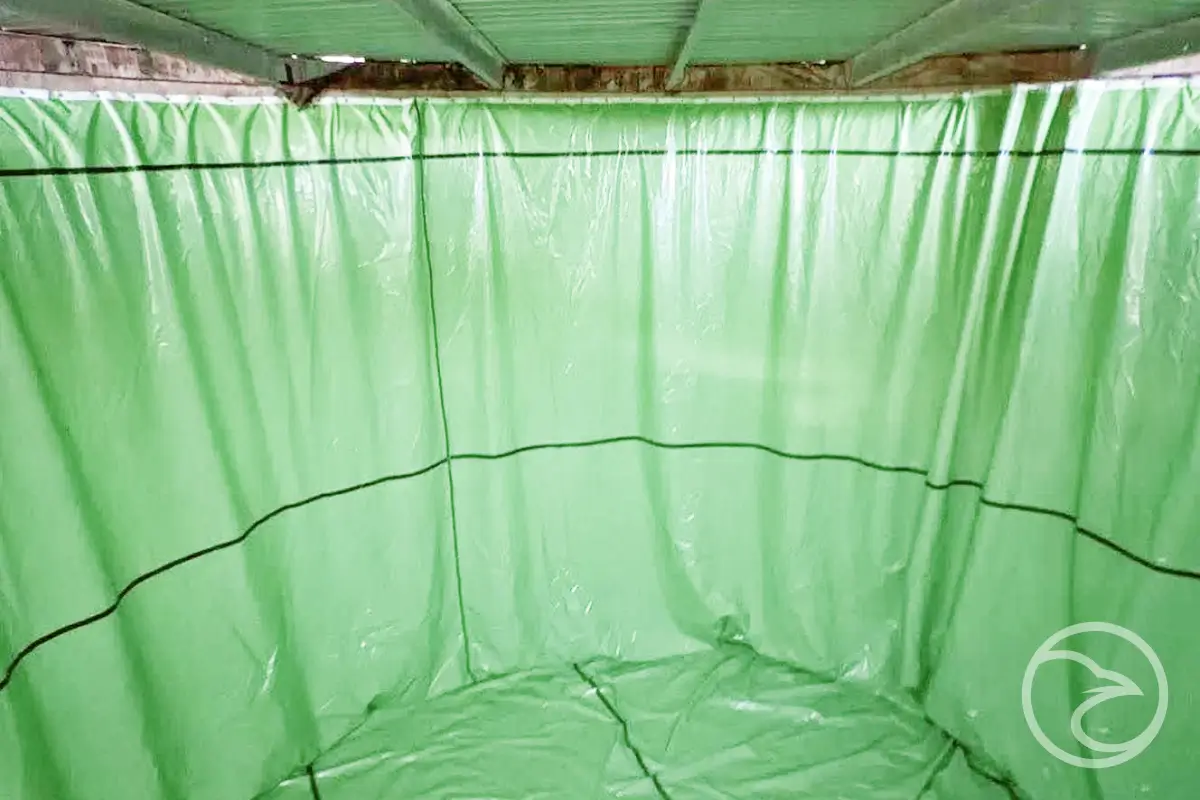
Internal inspections allow professionals to examine accessible roof supports, connections, and the underside of roof panels. This may reveal deterioration that is not visible externally.
Potential findings include condensation-related corrosion, damaged support members, deteriorated connections, and evidence of water ingress. Internal access must follow appropriate safety procedures.
Where confined-space entry is required, the inspection must be planned and performed by suitably trained personnel.
ROV-Assisted Internal Inspection
Remotely operated vehicles can help examine accessible submerged areas of water storage tanks. They may provide useful information about tank walls, floors, and other underwater components.
However, conventional underwater ROVs are not substitutes for direct roof inspections. The selection of inspection technology should reflect the location and nature of the suspected defect.
Detailed Structural Assessment
Some roof defects require more than visual examination. Where significant corrosion, deformation, or support deterioration is suspected, additional assessment may be necessary.
Depending on the roof material and condition, this may include thickness measurements, coating tests, connection assessment, or engineering review. Visual findings alone should not be used to determine remaining structural capacity.
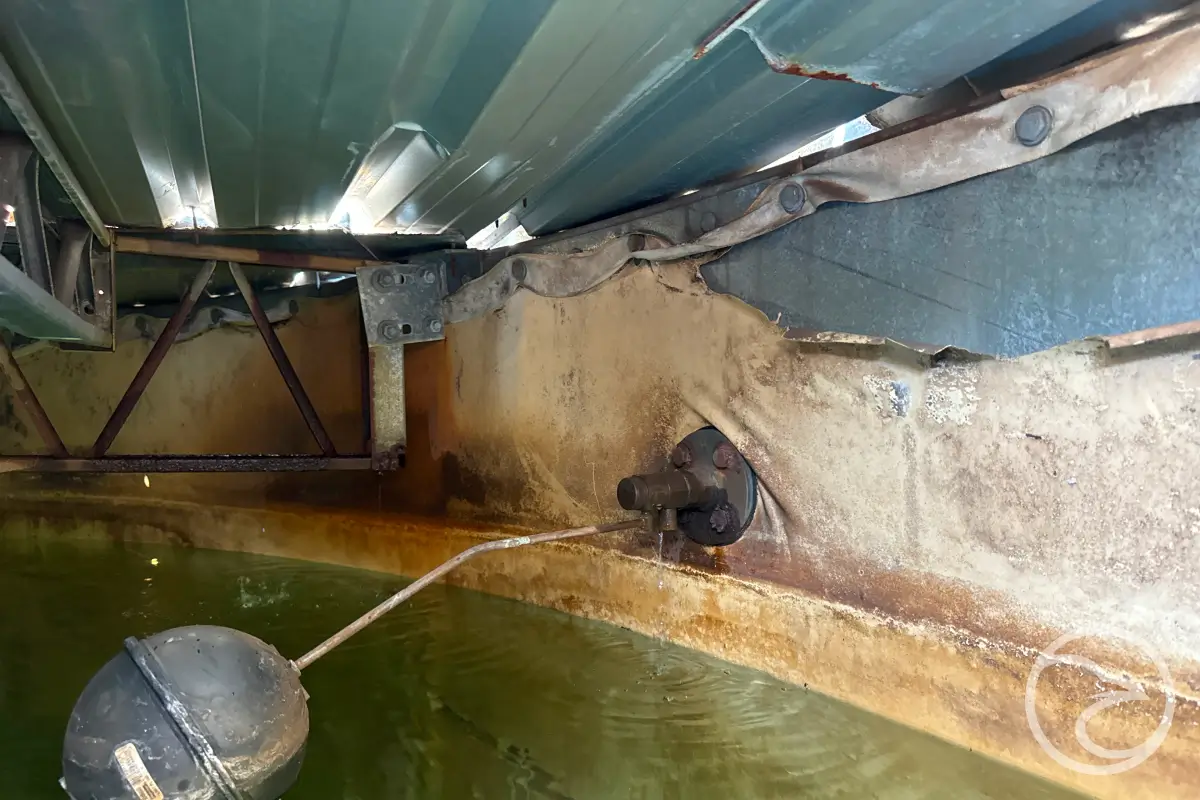
Tank Roof Corrosion: what Inspectors Look for
Corrosion assessment is an important part of inspecting steel water tank roofs. The presence of rust does not always indicate that a roof requires replacement. Inspectors must consider its location, extent, and potential impact on structural components.
Persistent moisture can contribute to corrosion on steel roof components. Understanding the causes of water tank condensation helps facility managers identify moisture-related risks and consider appropriate prevention measures.
Surface Corrosion
Surface corrosion may appear as discolouration, rust staining, or deterioration of exposed metal. Where damage is limited, suitable surface preparation and protective treatment may be possible.
However, inspectors should investigate why the corrosion developed.
Pitting and Localised Metal Loss
Pitting corrosion can create concentrated areas of material deterioration. These defects may be particularly concerning around fasteners, seams, and structural connections.
Visual inspection can identify suspicious areas, but measuring material loss may require ultrasonic thickness testing or another appropriate method.
Corrosion Around Roof Supports
Corrosion affecting roof supports requires careful assessment because these components contribute to structural stability. Inspectors may examine beams, brackets, support connections, and accessible attachment points.
Where significant deterioration is suspected, an engineering assessment may be required.
Widespread Corrosion
Extensive corrosion across multiple roof components may indicate that isolated repairs are insufficient. Inspectors should assess the condition of both the roof covering and its supporting structure.
The appropriate response depends on the remaining condition of the components, repair feasibility, and overall tank integrity.
When Does a Tank Roof Need Repair or Replacement?
Not every damaged tank roof needs complete replacement. The decision should be based on inspection findings, structural condition, the extent of deterioration, and the tank’s operational requirements.
When Tank Roof Repair may be Suitable
Repair may be appropriate where damage is localised and surrounding components remain serviceable. Examples include isolated coating damage, deteriorated seals, damaged fasteners, or individual defective panels.
However, the underlying cause must be addressed to reduce the likelihood of recurring problems.
When Tank Roof Replacement may be Necessary
Replacement may become more appropriate when deterioration is extensive or the roof can no longer be maintained effectively.
Potential indicators include:
-
Widespread corrosion and significant material loss.
-
Multiple severely deteriorated roof panels.
-
Substantial roof deformation.
-
Significant damage to supporting members.
-
Repeated failures despite previous repairs.
-
Extensive deterioration around structural connections.
-
Roof condition that compromises safe access or stored water protection.
A deteriorated roof does not necessarily mean the entire tank requires replacement. The tank walls, foundations, connections, and other major components should also be assessed.
Roof damage can also indicate broader structural or maintenance problems. Understanding when a storage tank needs repair helps facility managers identify warning signs and plan appropriate maintenance before defects worsen.
Tank Roof Repair vs Replacement
| Condition | Potential approach |
|---|---|
| Isolated coating deterioration | Surface preparation and coating repair |
| Damaged hatch seals | Seal or component replacement |
| Individual damaged roof panel | Localised panel repair or replacement |
| Widespread panel corrosion | Partial or complete roof replacement |
| Significant support deterioration | Engineering assessment and structural repairs |
| Extensive deterioration across the tank | Broader refurbishment or replacement assessment |
These are general examples rather than automatic repair criteria. Professional assessment is necessary to determine whether a proposed solution is suitable.
Where deterioration affects several tank components, tank refurbishment may provide a more comprehensive solution than isolated roof repairs.
How Often Should Tank Roofs be Inspected?
There is no single inspection interval suitable for every water tank roof. Inspection frequency depends on the tank’s purpose, construction, operating conditions, and applicable maintenance requirements.
Important factors include:
-
Tank age and roof material.
-
Exposure to coastal or industrial environments.
-
Previous corrosion or structural defects.
-
Protective coating condition.
-
Repair and maintenance history.
-
Roof accessibility.
-
Tank application and operational importance.
-
Applicable standards and inspection obligations.
A roof with known corrosion or recurring defects may require closer monitoring than one with no significant deterioration. Additional inspections may also be appropriate following severe weather, impact damage, or unusual changes in roof condition.
For fire protection water tanks, inspection planning should consider the relevant requirements of AS 1851 and the wider fire protection system.
AS 1851 maintenance activities should not be treated as a substitute for detailed structural engineering assessments when significant roof damage is suspected.
Tank Roof Inspection Checklist
A structured checklist helps facility managers document visible conditions and identify areas requiring professional attention. The following checklist provides a starting point for routine condition monitoring. It does not replace a formal inspection.
| Inspection Area | What to Check |
|---|---|
| Roof Panels | Visible corrosion, cracks, deformation, or missing sections. |
| Protective Coatings | Peeling, blistering, or damaged surfaces. |
| Fasteners and Connections | Missing, loose, or corroded components. |
| Access Hatches | Damaged covers, seals, or securing mechanisms. |
| Ventilation Openings | Damaged screens, covers, or penetrations. |
| Roof Seams | Visible gaps, corrosion, or seal deterioration. |
| Structural Supports | Visible deformation or corrosion where accessible. |
| Water Ingress | Evidence of rainwater entering through roof defects. |
| Debris and Drainage | Accumulation of leaves, debris, or standing water. |
| Inspection Records | Changes compared with previous photographs or reports. |
Facility managers should avoid accessing unsafe roof areas or attempting structural inspections without suitable training and equipment. Visible sagging, significant corrosion, or suspected structural instability should be referred for professional assessment.
How to Prevent Premature Tank Roof Deterioration
Preventive maintenance helps reduce avoidable damage and supports long-term roof performance.
Maintain Protective Coatings
Inspect exposed metal surfaces and address coating defects before deterioration spreads. Coating repairs should use suitable materials and preparation methods for the roof system.
Keep Roof Openings Secure
Check access hatches, seals, ventilation screens, and other penetrations. Damaged components should be repaired or replaced to maintain appropriate protection against contamination.
Manage Debris and Drainage
Accumulated leaves, debris, and standing water may contribute to localised deterioration. Maintenance programs should include appropriate housekeeping and drainage checks.
Monitor Corrosion-Prone Areas
Pay particular attention to seams, fasteners, penetrations, and connections. These areas may experience deterioration even when the surrounding roof appears serviceable.
Maintain Inspection Records
Photographs, inspection reports, and repair records help track changes in roof condition. Comparing inspection findings over time can reveal whether corrosion, deformation, or other defects are progressing.
A documented maintenance history also supports decisions about future repairs or replacement.
Tank Roof Inspections for Fire Water Storage Systems
Fire water storage tanks support essential fire protection infrastructure. Their roofs should remain in suitable condition to protect stored water and support safe maintenance access.
Damaged roof components may allow debris or contaminants to enter the tank. Structural deterioration may also create hazards during inspection and maintenance activities.
Roof assessments should form part of a broader approach to fire tank condition monitoring. Where applicable, routine fire protection maintenance should follow AS 1851 requirements.
However, suspected structural defects may require additional engineering investigation beyond routine maintenance checks.
Final Thoughts
Regular tank roof inspections help identify corrosion, damaged panels, deteriorated connections, and other defects before they become more extensive.
Visual assessments, drone inspections, and targeted structural investigations each provide different information about roof condition. The appropriate inspection approach depends on the tank’s construction, accessibility, operational requirements, and suspected defects.
For commercial, industrial, potable water, and fire protection tanks, documented inspections support better maintenance planning and more informed repair decisions.
When significant deterioration is identified, professional assessment helps determine whether localised repairs, roof replacement, or broader tank refurbishment is appropriate.