Corrosion is one of the most common causes of long-term steel tank deterioration. Water storage systems constantly face exposure to moisture, oxygen, and environmental contaminants.
Without protective coatings, steel surfaces may gradually weaken over time, reducing overall corrosion resistance in galvanised tanks. Galvanising helps reduce corrosion risks by creating a protective zinc barrier around the steel structure. This process plays an important role in the durability of many modern water storage systems.
The long-term performance of hot dipped galvanised tanks often depends on the effectiveness of this corrosion protection.
What Causes Corrosion in Steel Tanks?
Corrosion develops when steel reacts with oxygen and moisture.
Several environmental conditions may accelerate this process, including:
- Humidity
- Salt exposure
- Industrial pollution
- Standing water
- Chemical contaminants
- Temperature fluctuations
Over time, untreated steel may begin rusting, weakening the tank structure and reducing operational lifespan. Protective coatings help slow this deterioration.
How Galvanising Protects Steel Tanks
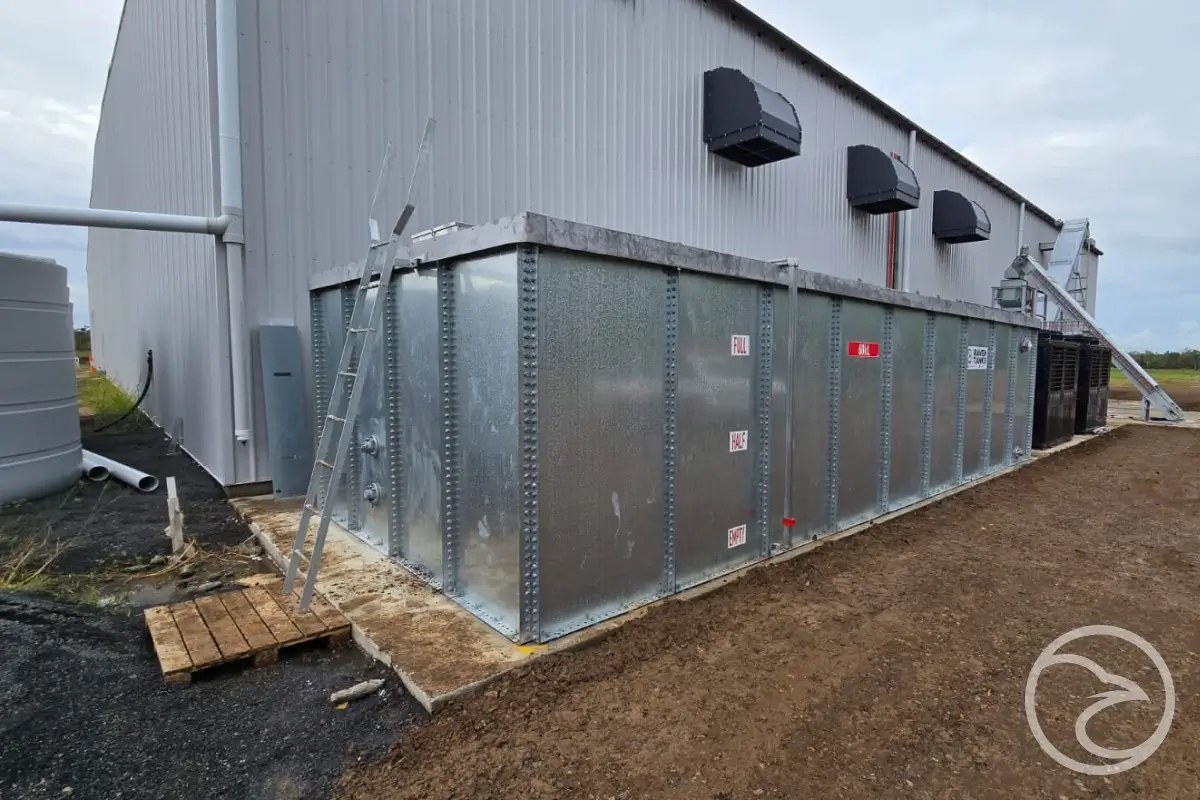
Hot dip galvanising coats steel with a protective zinc layer. This zinc barrier helps prevent direct exposure between steel and environmental elements.
The coating provides protection through:
- Surface coverage
- Moisture resistance
- Oxidation reduction
- Sacrificial protection
Even if small scratches occur, zinc may continue protecting exposed steel areas nearby. This protective behaviour helps improve long-term durability in demanding environments.
Why Corrosion Resistance is Important
Corrosion resistance affects both structural reliability and long-term maintenance requirements.
Poor corrosion protection may eventually lead to:
- Structural weakening
- Water leaks
- Surface deterioration
- Increased maintenance costs
- Shortened tank lifespan
Corrosion-resistant coatings help improve tank performance across different operating conditions. This becomes especially important for tanks exposed to harsh outdoor environments.
Environmental Conditions Affect Tank Lifespan
Different environments create different corrosion risks.
Coastal Areas
Salt exposure can accelerate corrosion on unprotected steel surfaces.
Coastal conditions often increase:
- Surface oxidation
- Moisture retention
- Coating wear
- Structural deterioration
Galvanised coatings help reduce these environmental effects.
Industrial Environments
Industrial facilities may expose tanks to airborne chemicals or pollutants.
These conditions can contribute to:
- Faster coating degradation
- Surface contamination
- Increased corrosion activity
Regular inspections help monitor coating condition over time.
Rural and Agricultural Areas
Agricultural environments may expose tanks to fertilisers, organic material, or varying moisture levels. These factors may also influence long-term corrosion behaviour.
Zinc Coatings Help Extend Tank Durability
The zinc layer used during galvanising provides long-term corrosion protection for steel tanks.
Benefits may include:
- Reduced rust formation
- Improved structural stability
- Lower maintenance frequency
- Extended service life
- Better environmental resistance
Coating thickness and environmental exposure often influence overall performance. Inspection programs help identify coating wear before structural problems develop.
Corrosion Resistance Supports Water Storage Reliability
Water storage systems depend on structural consistency and leak prevention.
Corrosion-related damage can affect:
- Water containment
- Structural integrity
- Tank hygiene
- Operational safety
Protective coatings help maintain reliable tank performance across long operational periods. This is one reason galvanised steel remains widely used for water storage infrastructure.
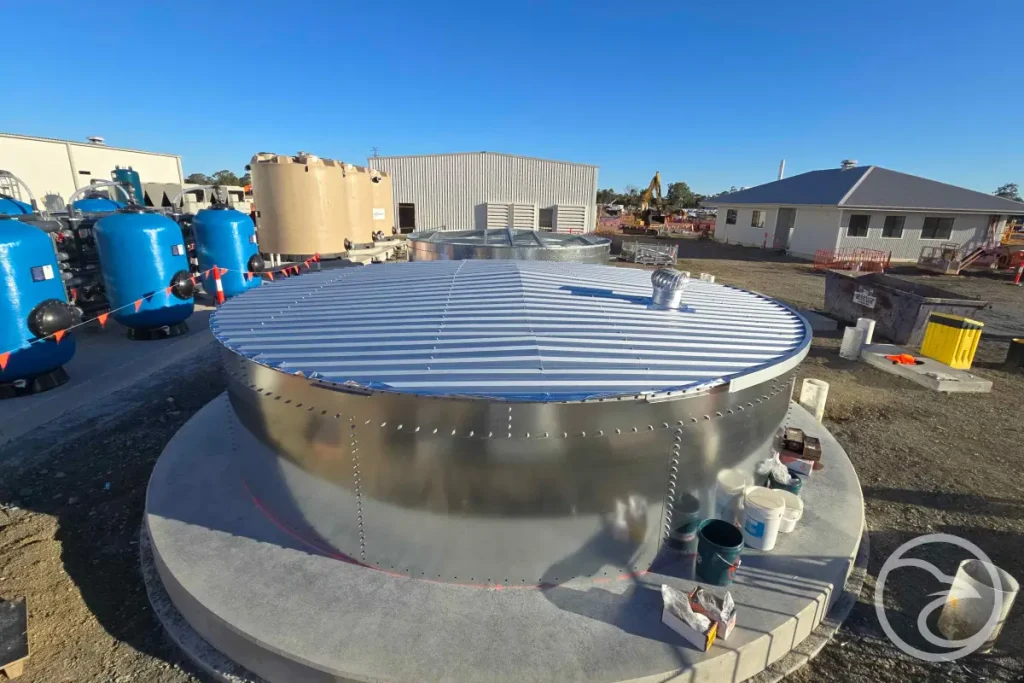
Inspection and Monitoring Remain Important
Even corrosion-resistant tanks require routine inspections.
Inspectors often assess:
- Coating condition
- Surface damage
- Rust development
- Joint integrity
- Moisture accumulation
Environmental exposure may gradually affect protective coatings over time. Regular monitoring helps identify deterioration earlier.
Facilities reviewing coating performance may also examine the hot dip galvanizing process to better understand how zinc protection functions.
Corrosion Protection and Tank Maintenance
Corrosion resistance may reduce maintenance frequency, but it does not eliminate maintenance needs completely.
Over time, tanks may still require:
- Surface cleaning
- Coating repairs
- Joint inspections
- Structural assessments
Environmental conditions largely determine how quickly coatings deteriorate. Preventive inspection programs often help reduce larger repair requirements later.
Why Galvanised Steel Remains Common
Galvanised steel combines structural strength with corrosion resistance.
This makes it suitable for many applications, including:
- Fire water storage
- Potable water tanks
- Industrial process systems
- Agricultural storage
- Commercial infrastructure
Long-term durability remains one of the main advantages of galvanised tank systems.
Final Thoughts
Corrosion resistance plays a major role in the long-term performance of steel water tanks and overall corrosion resistance in galvanised tanks. Environmental exposure, moisture, and oxidation can gradually weaken unprotected steel structures.
Galvanised coatings help reduce these risks by protecting steel surfaces with a durable zinc layer.
As a result, galvanised steel tanks often achieve improved durability, lower maintenance demands, and longer operational lifespans across a wide range of environments.