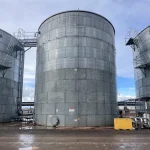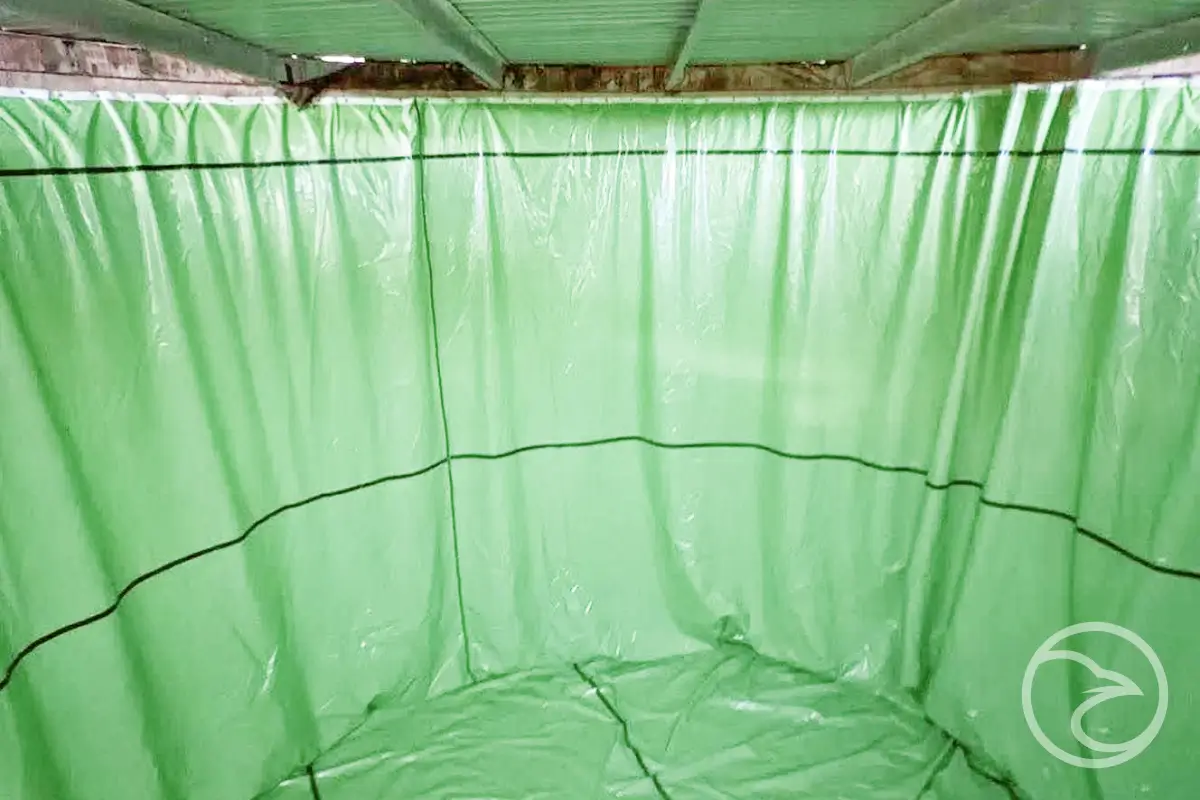
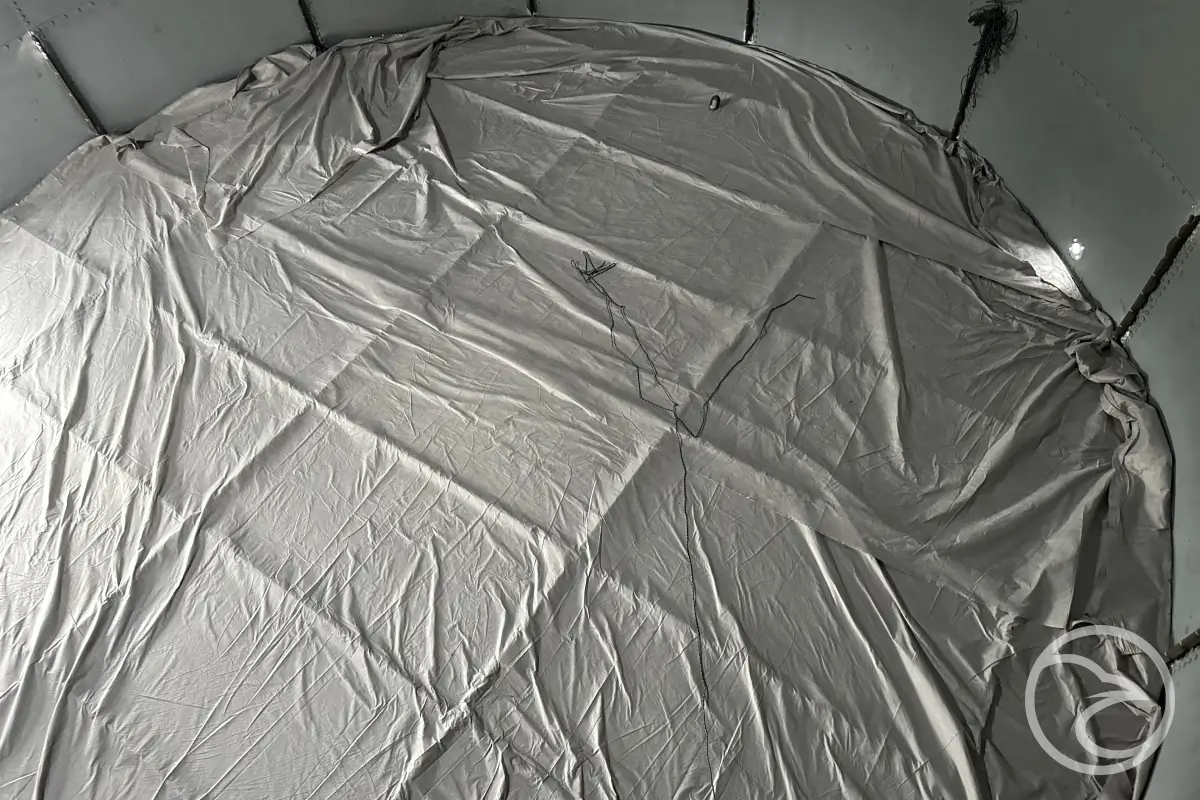
Flexible liners in water storage are widely used to support internal containment and protect tank structures from prolonged water exposure. Unlike rigid internal surfaces, flexible liners adapt to structural movement and changing internal conditions, making them a relevant component in long-term storage environments. Understanding how flexible liners behave over time helps explain their role in maintaining stable internal conditions within water storage tanks.
What are Flexible Liners in Water Storage
Flexible liners in water storage are internal containment layers designed to create a controlled barrier between stored water and the tank structure. These liners are manufactured from polymer-based materials that allow controlled movement without cracking or rigid deformation. Their flexibility enables them to conform to internal tank geometry and accommodate minor structural shifts.
Rather than functioning as load-bearing elements, flexible liners focus on isolating stored water from the underlying tank material. This separation helps reduce direct interaction between water and structural surfaces, which is a key factor in long-term tank performance.
Why Flexibility Matters in Storage Environments
Water storage tanks are subject to continuous internal and external influences. Temperature changes, filling cycles, and structural settlement can all cause minor movement within the tank structure. Rigid internal surfaces may struggle to accommodate these changes, increasing the risk of cracking or surface damage.
Flexible liners in water storage respond differently. Their ability to stretch and adapt allows them to absorb movement without losing continuity. This characteristic is particularly important in tanks exposed to long static storage periods combined with occasional operational stress.
Interaction Between Flexible Liners and Water
The performance of flexible liners is closely linked to how they interact with stored water. Prolonged water exposure can influence material behaviour, especially in environments with limited circulation. Flexible liner materials are designed to maintain stability under constant immersion, reducing the likelihood of swelling, hardening, or surface degradation.
Water chemistry also plays a role. Variations in pH, mineral content, and dissolved substances may affect material properties over time. Flexible liners in water storage are typically selected to minimise these interactions, helping maintain consistent internal conditions.
Material Behaviour Under Long-Term Storage Conditions
Over extended periods, all materials experience gradual ageing. Flexible liners are no exception, but their behaviour differs from rigid alternatives. Instead of developing surface cracks, flexible materials tend to show gradual changes in elasticity or surface texture.
These changes usually occur slowly and are influenced by temperature variation, water quality, and mechanical stress. Understanding how flexible liners respond to these factors provides insight into their long-term suitability for water storage applications.
Evaluating how flexible liner materials respond to prolonged immersion and structural movement is an important aspect of internal tank performance, particularly within broader discussions on internal lining systems used in water storage tanks.
Structural Movement and Liner Performance
Even well-constructed tanks experience subtle structural movement over time. Settlement, thermal expansion, and pressure changes can alter internal geometry. Flexible liners in water storage accommodate these changes by maintaining contact with internal surfaces without introducing stress concentrations.
This adaptability helps reduce localised wear at joints, corners, and transitions—areas that often experience early degradation in rigid systems. By distributing movement more evenly, flexible liners support overall internal stability.
Environmental and Operational Influences
Environmental conditions indirectly affect flexible liner performance. External temperature fluctuations can influence internal water temperature, which in turn affects material flexibility. Seasonal changes may introduce repeated expansion and contraction cycles that test material resilience.
Operational factors such as filling patterns and maintenance activities also introduce stress. Flexible liners are designed to tolerate these variations without losing integrity, provided internal conditions remain within expected ranges.

Long-Term Implications for Water Storage Systems
Flexible liners in water storage contribute to long-term performance by supporting stable internal conditions and reducing direct material exposure. While they do not eliminate ageing processes entirely, they help manage how and where degradation occurs within the tank.
By limiting moisture interaction with structural surfaces and accommodating movement, flexible liners reduce the likelihood of sudden internal deterioration. This gradual, predictable behaviour supports long-term planning and performance assessment.
Understanding Flexible Liners as Part of Internal Tank Systems
Flexible liners should be viewed as one component within a broader internal tank system. Their effectiveness depends on how well they interact with tank materials, water conditions, and operational factors. Evaluations of long-term storage performance often consider how flexible liners respond to prolonged immersion and mechanical stress.
By understanding the material behaviour of flexible liners in water storage, engineers and facility managers gain valuable insight into internal containment strategies and the factors that influence long-term storage reliability.