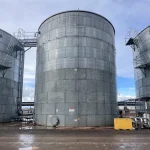
Industrial storage tanks play a critical role in water management, manufacturing processes, energy production, and infrastructure systems. Over time, exposure to environmental conditions, operational stress, and material aging can affect tank performance. Developing effective industrial tank servicing strategies helps organizations maintain operational reliability, safety, and regulatory compliance.
Proper servicing ensures tanks remain functional while minimizing downtime and costly repairs.
Why Tank Servicing Matters
Routine servicing supports both safety and operational efficiency. Industrial tanks often operate under demanding conditions, including exposure to moisture, chemicals, temperature fluctuations, and mechanical stress.
Effective industrial tank servicing strategies help:
- Maintain structural integrity
- Prevent leaks and contamination
- Reduce unexpected downtime
- Extend tank lifespan
- Improve safety compliance
Proactive servicing reduces risks associated with infrastructure failure.
Key Components of Tank Servicing Strategies
Successful servicing programs typically combine inspection, maintenance, repair planning, and documentation.
Regular Inspections
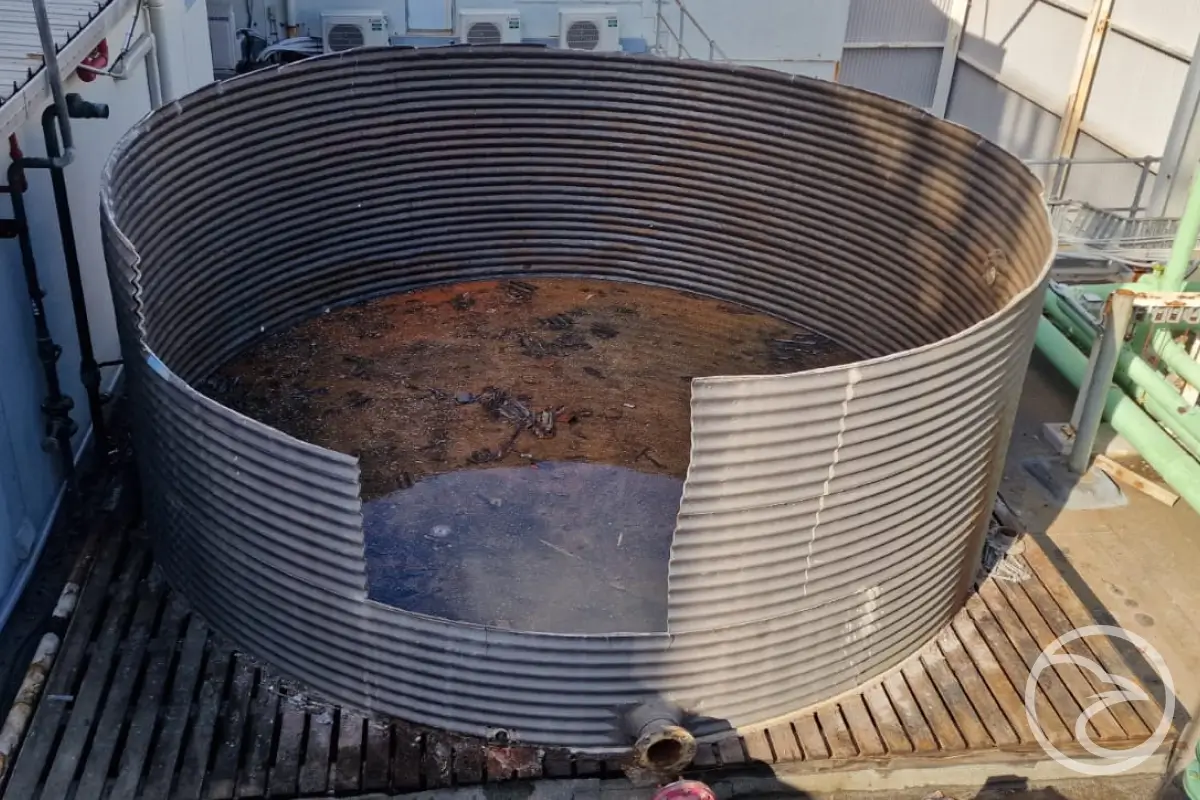
Routine inspections help detect corrosion, structural wear, coating damage, or operational issues early. Early detection allows timely intervention before problems escalate.
Inspection methods may include:
- Visual structural checks
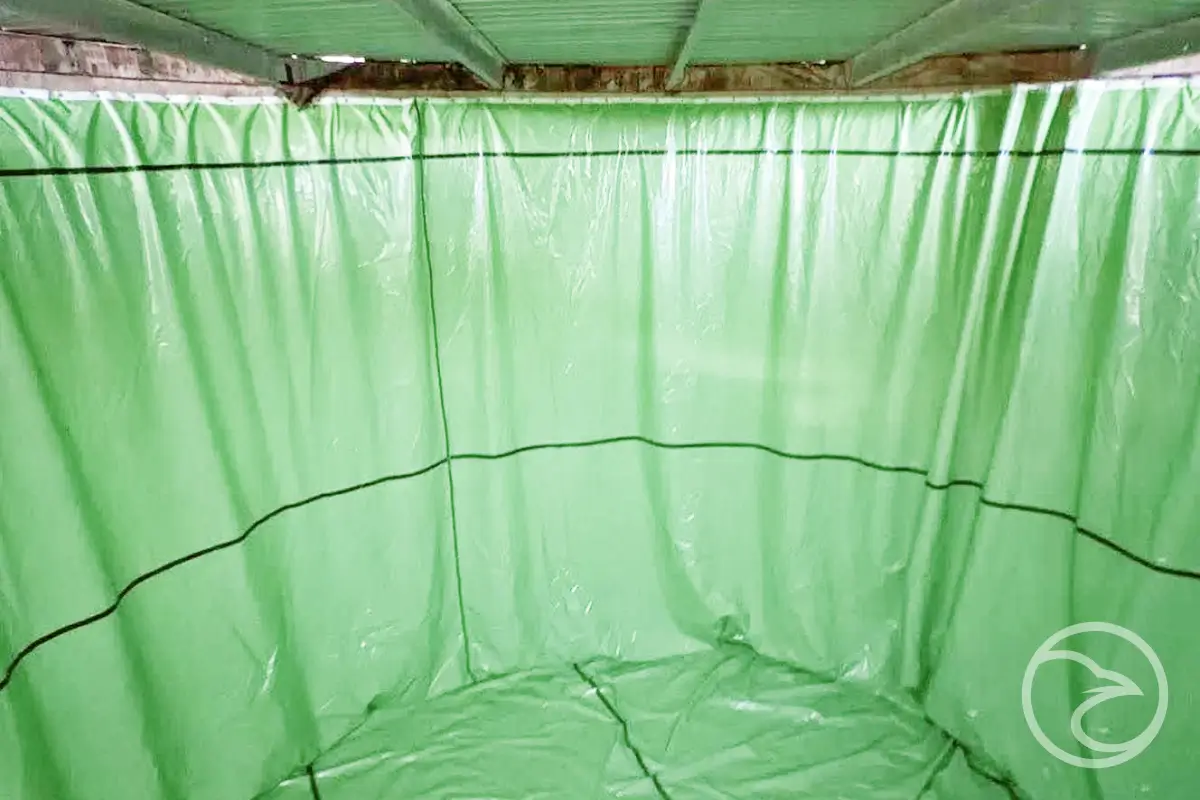
- Internal lining assessments
- Leak detection procedures
- Monitoring tank components and fittings
Preventive Maintenance
Preventive maintenance focuses on addressing potential issues before failure occurs. This approach supports long-term reliability and cost efficiency.
Typical preventive measures include:
- Cleaning and sediment removal
- Protective coating maintenance
- Seal and joint inspections
- Structural reinforcement where necessary
Consistent preventive actions strengthen industrial tank servicing strategies.
Repair and Rehabilitation Planning
Even well-maintained tanks may eventually require repairs or upgrades. Strategic planning ensures minimal disruption during servicing.
Common repair activities include:
- Lining replacement or refurbishment
- Roof or structural repairs
- Corrosion protection improvements
- System component upgrades
Planning ahead helps reduce operational impact.
Industry Applications
Tank servicing strategies are relevant across multiple industries, including:
Water treatment and utilities
- Manufacturing facilities
- Energy and mining sectors
- Agriculture and irrigation systems
- Fire protection water storage
Each sector requires tailored servicing approaches based on operational demands.
Safety and Compliance Considerations
Many industries operate under strict safety and environmental regulations. Servicing programs must align with applicable standards to ensure compliance.
Key compliance elements include:
- Documented inspections
- Maintenance records
- Environmental protection measures
- Structural safety assessments
Effective industrial tank servicing strategies help organizations meet regulatory expectations while protecting personnel and infrastructure.
Cost Benefits of Proactive Servicing
While servicing requires investment, proactive strategies typically reduce overall lifecycle costs.
Benefits include:
- Lower repair expenses
- Reduced downtime
- Longer tank lifespan
- Improved operational reliability
Facilities that prioritize servicing often achieve better financial outcomes over time.
Sustainability and Infrastructure Longevity
Maintaining existing tanks supports sustainability goals by reducing material consumption and minimizing infrastructure replacement. Proper servicing extends usable lifespan and improves resource efficiency.
Organizations increasingly consider sustainability when planning infrastructure maintenance.
Modern industrial sites frequently incorporate reliable storage tank service solutions into maintenance planning.
Conclusion
Reliable tank infrastructure is essential for industrial operations. Effective industrial tank servicing strategies help ensure safety, durability, and long-term operational performance.
Through regular inspections, preventive maintenance, and strategic repair planning, facilities can maintain dependable storage systems while minimizing operational risks and costs.