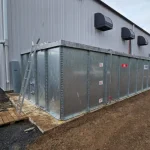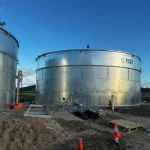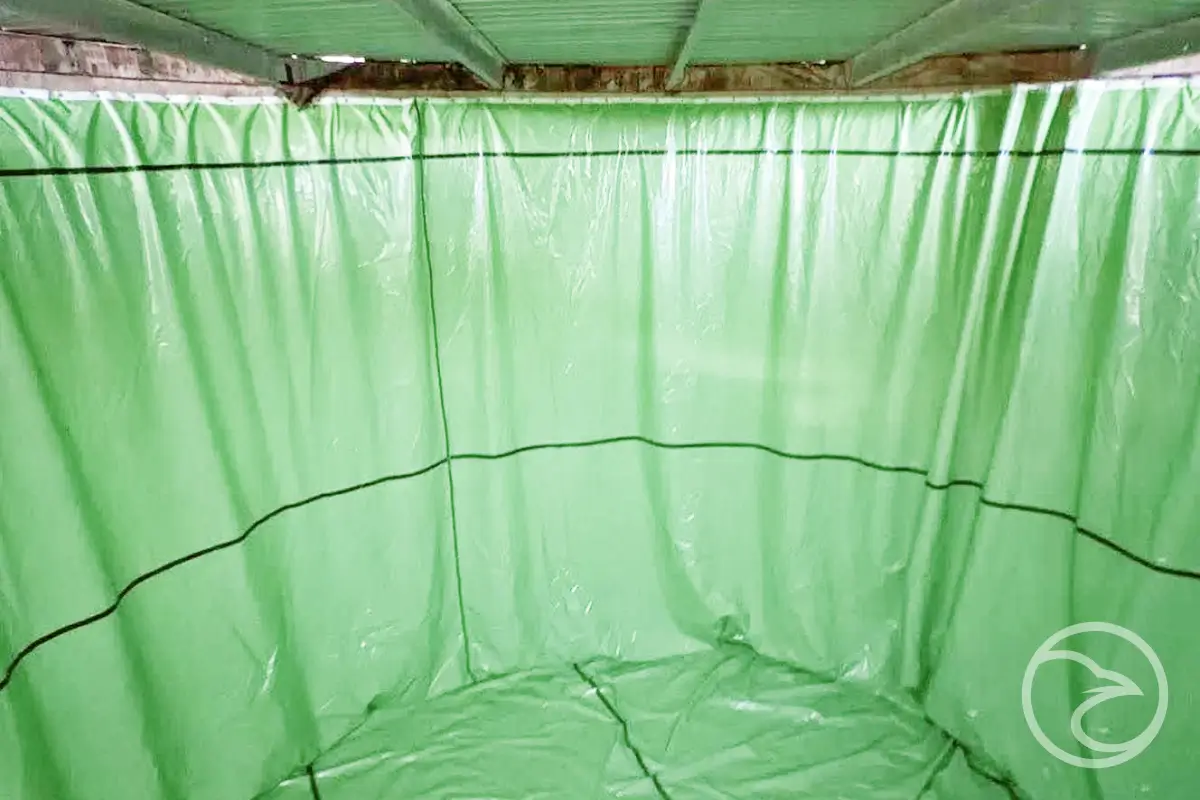

Water storage systems play a vital role in a wide range of settings, from industrial facilities and municipal infrastructure to commercial and agricultural applications. Achieving and maintaining quality water storage performance is about more than simply selecting a storage vessel — it involves a combination of durability, material behaviour, installation, and long-term operational planning.
In this guide, we explore the fundamental components that contribute to reliable performance in water storage systems, with a focus on design considerations that support long service life and consistent water quality outcomes.
Durable Construction for Sustainable Performance
A core aspect of quality water storage performance is the durability of the storage system. Water tanks and containment systems are exposed to a variety of stresses, including internal hydrostatic load, environmental exposure, and operational movement. Selecting construction options that resist corrosion, structural fatigue, and environmental degradation supports sustained performance over many years.
High-integrity materials tend to provide stability and resilience, which reduce the need for frequent repair or early replacement. This foundation of durability helps ensure that stored water remains secure and that the overall system delivers predictable performance.
Ensuring Hygiene and Purity
Maintaining the purity of stored water is essential, especially when water is intended for potable or sensitive industrial uses. A water storage system must minimise the risk of contaminants entering the stored water, and material choice, surface finish, and system design all influence internal sanitation.
Non-corrosive surfaces and smooth internal finishes help reduce the buildup of sediment, biofilm, or contaminants. Cleanability and accessibility for inspections also contribute to ongoing water quality management. Systems engineered with hygiene in mind support higher water quality outcomes over time.
Corrosion Resistance and Long-Term Reliability
Corrosion is a common challenge for storage systems exposed to moisture and varying environmental conditions. Quality water storage performance requires a system that resists corrosive processes, whether from salts in the air, chemical exposure, or internal water chemistry.
Materials and protective systems that resist oxidation and rust extend the usable life of the system and reduce the frequency of major repairs. This resistance to corrosion also supports internal water quality by limiting rust-related contamination risks.
Minimising Downtime Through Efficient Installation
Another key factor in achieving quality water storage performance is an efficient and accurate installation process. Systems that are well prepared and installed with attention to detail typically experience fewer early-stage issues and perform more consistently over time.
Seamless installation approaches reduce operational downtime, allowing facilities to maintain continuous water supply during transitions or new system deployments. Planning for site constraints, weather conditions, and access logistics contributes to a smooth setup and better long-term performance.
Adapting to Diverse Requirements
Water storage needs vary widely based on application. A small agricultural site has very different demands compared with a large industrial plant or municipal supply system. Quality performance hinges on selecting and configuring a storage solution that aligns with specific capacity, functional, and environmental requirements.
Adaptable configurations and scalable options support efficient water storage by ensuring the system integrates naturally with existing infrastructure. Tailored designs help meet both current needs and future expansion without compromising performance.

Integrated Water Management Approach
Water storage does not function in isolation — it is part of a broader water management framework. Modern systems contribute to efficient distribution, reduce waste, and support optimal resource utilisation. Incorporating storage into a holistic water cycle plan helps facilities improve operational efficiency and reduce environmental impact.
This integrated approach also encourages proactive maintenance and condition monitoring, which are essential components of long-term water storage performance.
Conclusion
Quality water storage performance depends on multiple interrelated factors, including durability, material behaviour, hygiene considerations, installation efficiency, and adaptability. Understanding how these elements interact allows facility managers and engineers to design, operate, and maintain storage systems that deliver reliable performance over time.
For additional context on engineered storage options and system considerations, see related engineered modular storage solutions.