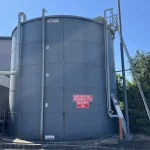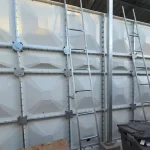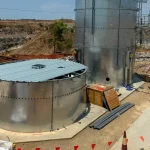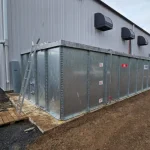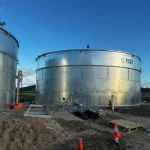

Maintaining high standards of compliance and quality is essential for effective water storage systems across industrial, commercial, and infrastructure applications. Whether a facility stores water for industrial processes, fire protection reserves, or potable supply, understanding the principles that govern quality and regulatory compliance helps ensure safe and reliable performance.
Rather than focusing on specific product types, this article examines the key principles that underpin water storage compliance and quality, and how these contribute to sustained performance and risk management.
Understanding Standards and Regulatory Requirements
Water storage systems are subject to various standards and regulatory frameworks that define minimum requirements for safety, structural integrity, and water quality. These guidelines help protect public health, reduce environmental impact, and establish a consistent baseline for design and operation.
Common areas of compliance may include:
- structural stability and load-bearing capacity
- resistance to corrosion and environmental degradation
- internal water quality standards where applicable
- access and safety provisions for inspection and maintenance
By aligning system design and operation with relevant standards, organisations can reduce risk and improve confidence in long-term performance.
Design Verification and Quality Assurance
Compliance begins at the design stage. Engineers and system planners must verify that proposed water storage solutions meet both regulatory expectations and site-specific conditions.
Quality assurance during design includes:
- peer design review
- verification of structural calculations
- material selection based on environmental exposure
- review of joint performance and sealing integrity
This verification phase ensures that the system is built on a solid foundation and positioned to meet performance expectations before fabrication begins.
Fabrication Oversight and Material Quality
Once design principles are established, the next step is ensuring that fabrication adheres to quality expectations. Careful oversight of manufacturing processes helps maintain consistency and reduce variation.
Key considerations during fabrication may include:
- material inspection and certification
- dimensional control during cutting and forming
- surface preparation for corrosion resistance
- documentation of quality checks and traceability
Effective fabrication oversight sets the stage for reliable system behaviour once the storage solution is deployed.
Inspection Protocols and Field Verification
Post-installation inspection is a fundamental part of maintaining compliance and quality. Whether through third-party auditors or internal teams, systematic inspection verifies that the installed system matches design intent and meets performance criteria.
Inspection protocols may focus on:
- structural alignment and base performance
- joint and seal condition
- external and internal surface integrity
- functionality of access ports and monitoring points
Timely identification of irregularities allows for early action before minor issues escalate into costly failures.
Water Quality Assurance (Where Applicable)
In systems that are responsible for potable or treated water, quality assurance extends beyond structural and operational considerations to include water chemistry, microbiological testing, and contamination prevention.
Best practices may involve:
- periodic quality sampling
- flushing and cleaning protocols
- monitoring for biofilm or sediment buildup
- alignment with local or national water quality standards
These quality assurance measures contribute to safe outcomes and long-term system confidence.

Integrating Compliance Into Asset Management
Modern water storage management involves integrating compliance and quality principles into broader asset management frameworks. Organisations increasingly use digital tools and performance data to track condition, plan maintenance, and forecast lifecycle outcomes.
This integrated approach supports:
- proactive identification of emerging issues
- prioritised planning for upgrades or refurbishment
- alignment of operational practices with regulatory changes
- transparent reporting and stakeholder assurance
By treating compliance and quality as an intrinsic part of asset health, facilities can achieve more predictable performance outcomes.
Conclusion
Water storage compliance and quality are foundational to delivering reliable performance, reducing risk, and maintaining confidence in system operation. Through a combination of thoughtful design, rigorous fabrication oversight, structured inspection protocols, and disciplined operational practices, organisations can navigate regulatory requirements while supporting sustainable performance.
For additional context on engineered storage solutions and system performance considerations, see related engineered modular storage solutions.