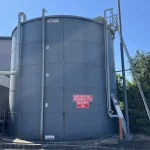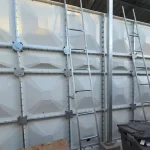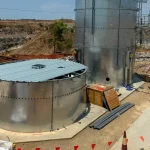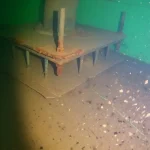

Fire tank inspections are essential for maintaining system reliability and safety. Regular checks help detect damage before it leads to failure.
Today, facilities can choose between traditional manual inspections and modern drone-based methods. Each approach has its advantages and limitations.
This guide compares drone and manual fire tank inspections to help you choose the most effective option.
Why Fire Tank Inspections Matter
Fire tanks must remain in optimal condition to function during emergencies. Any undetected issue can compromise system performance.
Routine inspections help identify:
- structural damage
- leaks and corrosion
- sediment buildup
- system inefficiencies
Timely inspections reduce risks and extend tank lifespan.
What is Manual Fire Tank Inspection?
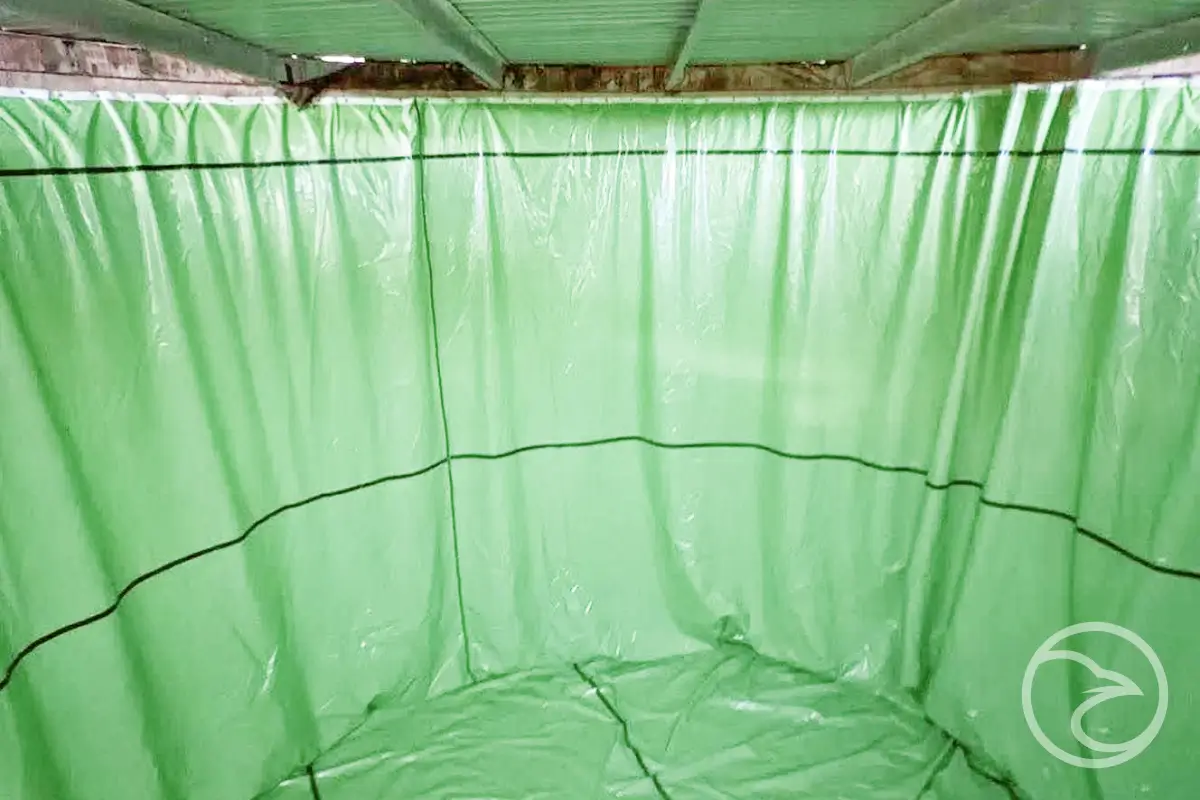
Manual inspection involves physical access to the tank. Technicians enter or closely examine the structure using tools and visual assessment.
This method has been used for decades and remains common in many facilities. However, manual inspections often require system shutdown and safety precautions.
What is Drone Fire Tank Inspection?
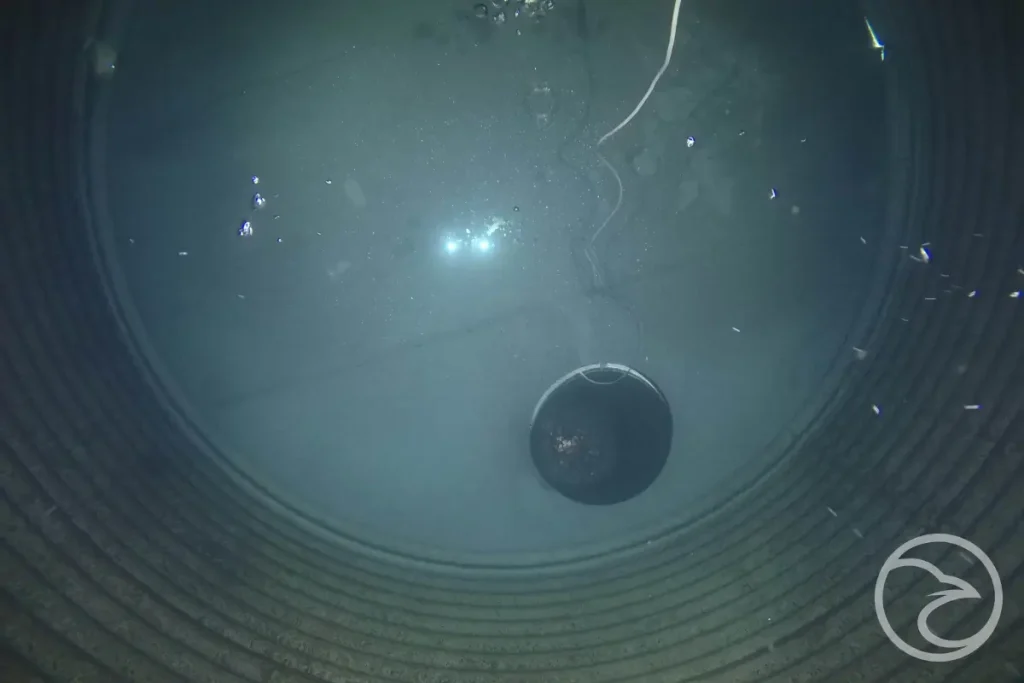
Drone inspection uses unmanned aerial systems to assess tank conditions. High-resolution cameras capture detailed images and videos.
Drones can access hard-to-reach areas without requiring entry into the tank. Modern drone inspection tank solutions provide fast and accurate data for analysis.
Key Differences Between Drone and Manual Inspection
1. Safety
Manual inspections can expose workers to confined spaces, hazardous gases, and structural risks. Drone inspections eliminate the need for physical entry. This significantly reduces safety concerns.
From a safety perspective, drones offer a clear advantage.
2. Inspection Speed
Manual inspections take more time due to setup, access requirements, and safety procedures. Drone inspections are much faster. They can cover large areas in a short period.
This makes drones ideal for facilities that require minimal downtime.
3. Accuracy and Data Quality
Manual inspections rely heavily on human observation. While experienced technicians are skilled, some issues may be missed. Drones capture high-resolution images and video. This allows for detailed analysis and documentation.
Digital records also make it easier to track changes over time.
4. Accessibility
Some tank areas are difficult or dangerous to reach manually. Drones can easily access confined or elevated spaces without risk.
This ensures a more complete inspection of the entire structure.
5. Cost Considerations
Manual inspections may seem less expensive initially. However, they often involve:
- labor costs
- safety equipment
- downtime expenses
Drone inspections reduce downtime and labor requirements. Over time, they can be more cost-effective.
6. System Downtime
Manual inspections usually require partial or full system shutdown. This can disrupt operations. Drone inspections often minimize or eliminate downtime.
This is a major advantage for high-demand facilities.
When Manual Inspection is Still Useful
Despite the benefits of drones, manual inspections are still necessary in some cases.
They are useful when:
- physical repairs are required
- internal components need direct handling
- detailed tactile assessment is needed
In many situations, manual and drone inspections work best together.
When to Choose Drone Inspection
Drone inspections are ideal when:
- safety risks are high
- access is limited
- quick assessments are needed
- detailed visual records are required
They provide a modern, efficient solution for routine inspections.
Combining Both Methods for Best Results
The most effective approach often combines both inspection methods. Drones can perform initial assessments and identify problem areas. Manual inspections can then address specific issues in detail.
This hybrid approach maximizes efficiency and accuracy.
Future of Fire Tank Inspections
Technology continues to improve inspection processes. Drones are becoming more advanced, with better imaging and automation features. As adoption increases, drone inspections are expected to become standard practice.
Facilities that adopt new technology early gain a competitive advantage.
Conclusion
Both drone and manual fire tank inspections play important roles in system maintenance. Each method has unique strengths and limitations.
Drone inspections offer greater safety, speed, and efficiency. Manual fire tank inspections provide hands-on assessment when needed.
Choosing the right approach depends on your facility’s requirements. In many cases, combining both methods delivers the best results.