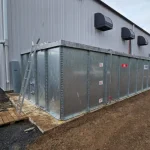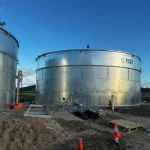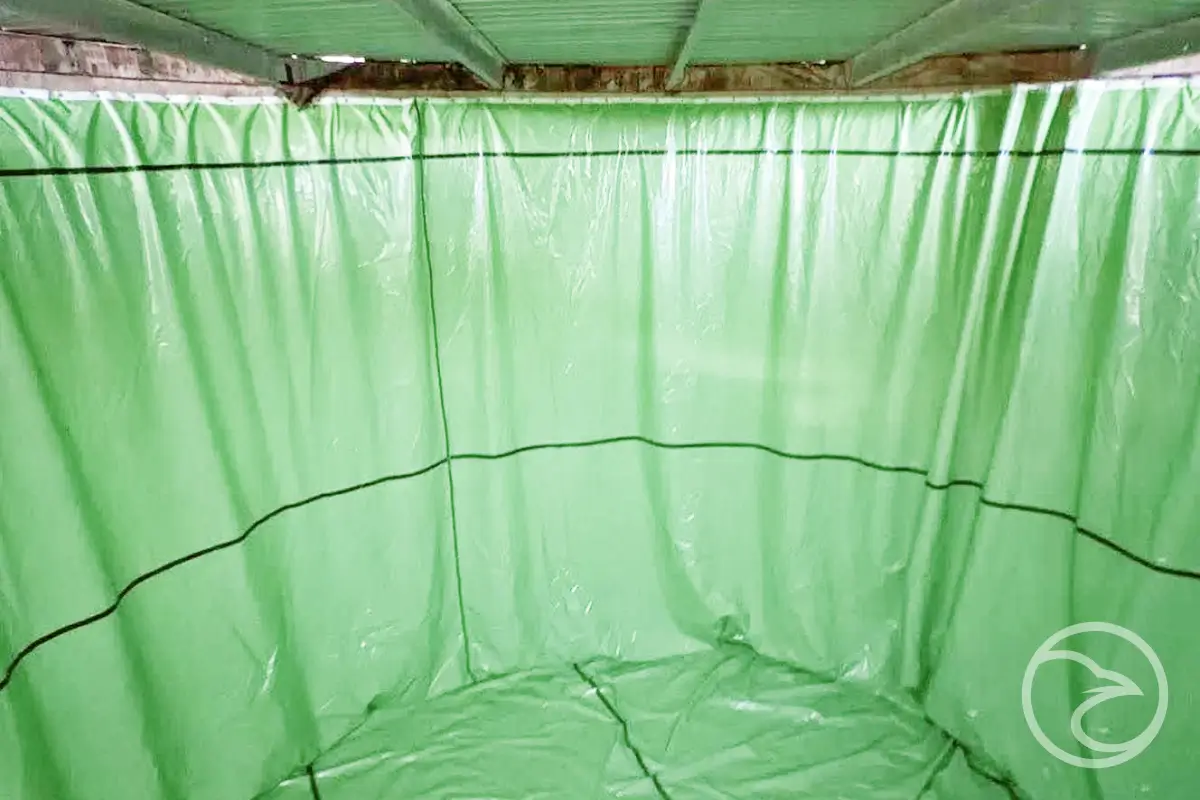
Panel water tanks are designed to provide reliable water storage for many years. However, individual components can deteriorate as tanks age. Corrosion, leaking joints, damaged panels, worn seals, and coating failure can gradually affect performance.
These problems do not always mean the entire tank needs replacement. Panel water tank refurbishment can restore important components while retaining suitable parts of the existing structure.
The scope depends on the tank’s condition, material, application, and operating environment. This guide explains panel tank refurbishment, common refurbishment work, and when it may be considered instead of replacement.
What is Panel Water Tank Refurbishment?
Panel water tank refurbishment is the process of restoring an existing sectional tank to an appropriate serviceable condition. It is usually broader than repairing one isolated defect. A refurbishment project may address several areas of deterioration during the same programme of work.
Depending on tank condition, panel tank refurbishment services may include:
- tank condition assessment;
- cleaning and sediment removal;
- corrosion treatment;
- panel repairs;
- replacement of damaged panels;
- seal and gasket replacement;
- bolt and fastener replacement;
- lining or coating work;
- roof repairs;
- fitting replacement;
- work around inlets and outlets.
Not every tank requires all these activities. The appropriate scope should reflect actual tank condition. This is one reason an assessment usually comes before major refurbishment work.
Professional panel tank refurbishment can restore deteriorated panels, seals, joints, and protective systems without requiring complete tank replacement.
Why do Panel Water Tanks Need Refurbishment?
Water tanks operate in environments that can gradually affect their materials and components. Water itself is only one factor. Humidity, temperature, salt exposure, water chemistry, physical damage, and poor drainage can also contribute to deterioration.
Panel tanks contain many individual components. Panels must work together with bolts, seals, joints, fittings, and structural elements. Deterioration in one area can eventually affect other parts of the system.
For example, a failing seal may initially create a small leak. Persistent moisture can then affect nearby fasteners or metal surfaces. Similarly, damaged protective coatings can leave the underlying material more exposed.
Refurbishment aims to address these problems before complete tank replacement becomes the only practical option.
Signs a Panel Water Tank may need Refurbishment
Tank deterioration does not always appear suddenly. Many problems develop gradually and become more noticeable over time. Several signs can indicate that a closer condition assessment is appropriate.
Recurring Leaks
A single minor leak may require only a local repair. Repeated leaks in different areas can indicate wider deterioration. Water may escape around joints, fittings, seals, or damaged panel sections. Staining can also reveal previous or ongoing leakage.
Persistent damp areas around the tank should not be ignored.
Corrosion on Panels or Connections
Metal tank components can deteriorate when their protective systems become damaged or depleted.
Look for corrosion around:
- panel edges;
- bolts;
- joints;
- pipe connections;
- roof components;
- tank bases;
- fittings.
Small isolated areas differ from widespread corrosion. The location and depth of material loss also matter when deciding what work is required.
Deteriorated Seals and Joints
Sectional tanks depend on sealed connections between individual panels. Sealing materials can change with age and operating conditions. They may harden, crack, compress, or lose flexibility.
A deteriorated joint may eventually allow water to escape. Repeated seal failures can indicate that broader refurbishment deserves consideration.
Damaged or Deformed Panels
Panel damage can result from corrosion, physical impact, structural movement, or other stresses. Visible distortion should be assessed rather than treated as purely cosmetic.
Some damaged panels may be repairable. Others may require replacement as part of the refurbishment scope.
Coating or Lining Failure
Many tanks use protective coatings or internal lining systems. These systems can deteriorate over time.
Possible signs include:
- peeling;
- blistering;
- cracking;
- local separation;
- exposed substrate;
- widespread surface deterioration.
The cause should be considered before simply applying another layer over the affected area.
Roof and Structural Deterioration
Refurbishment should not focus only on tank walls. Roofs, supports, connections, and other structural components also require consideration.
Corroded or damaged roof sections can create additional problems. They may also allow more debris or contaminants to enter the tank.
What Does Panel Tank Refurbishment Involve?
No single refurbishment process applies to every panel water tank. A small sectional tank with leaking joints requires different work from a large industrial tank with extensive corrosion.
However, refurbishment commonly follows several broad stages.
1. Tank Condition Assessment
The existing condition should be understood before deciding on the refurbishment scope.
An assessment can consider accessible:
- panels;
- joints;
- bolts and fasteners;
- seals;
- internal surfaces;
- external surfaces;
- roof components;
- fittings;
- inlets and outlets;
- coatings or liners.
Previous repair history can also provide useful information. A tank with repeated local repairs may require a broader approach.
The assessment helps distinguish isolated defects from system-wide deterioration. It can also identify components that remain suitable for continued use.
2. Draining and Preparing the Tank
Many refurbishment activities require the tank to be taken out of normal operation. Water management therefore needs to be planned around the site’s requirements. The tank may need to be drained and isolated.
Connected equipment may also require appropriate management. Access and safety requirements depend on tank design and site conditions. Internal work can involve confined-space hazards and should be managed accordingly.
Preparation also creates better access to areas that are normally covered by stored water.
3. Cleaning and Sediment Removal
Sediment can conceal the condition of the tank floor and lower panel sections. Cleaning helps expose surfaces that require assessment or refurbishment.
Accumulated material may include:
- dirt;
- minerals;
- organic matter;
- corrosion products;
- other suspended solids.
Cleaning methods should suit the tank material and protective system. Aggressive surface treatment can damage components that are otherwise serviceable.
Regular water tank cleaning helps remove accumulated sediment, debris, and contaminants that can affect stored water and tank condition.
4. Corrosion Treatment
Corroded areas require attention according to their condition and material. Light surface deterioration differs considerably from significant material loss. The affected area may require preparation before a suitable protective system can be restored.
The source of corrosion should also be considered. Treating visible corrosion without addressing persistent moisture or another underlying cause may provide only a temporary result.
The extent of corrosion can also influence whether a component is repaired or replaced.
5. Panel Repairs or Replacement
Individual panels are a defining feature of sectional water tanks. This modular construction can sometimes allow deteriorated sections to be addressed without replacing the entire tank. Minor defects may be suitable for repair.
More seriously deteriorated panels may require replacement.
The decision depends on factors including:
- extent of damage;
- material loss;
- panel location;
- structural condition;
- tank design;
- compatibility with existing components.
Panel tank repairs should consider the surrounding structure rather than treating each defect in isolation. A damaged panel may be only one visible part of a wider problem.
6. Seal and Joint Replacement
Panel joints are critical to maintaining a watertight structure. Seals can deteriorate through age, compression, chemical exposure, and environmental conditions. Refurbishment may therefore include replacement of affected sealing materials.
Joint surfaces should also be considered. Installing new seals without addressing damaged surrounding components may not resolve the underlying problem.
A broader sectional tank refurbishment can address both the seal and its supporting components.
7. Bolt and Fastener Work
Bolts and fasteners connect the individual sections of many panel tanks. Their condition can influence both structural performance and water tightness. Corrosion may develop around exposed or persistently wet connections.
Some fasteners may remain suitable while others require replacement. Compatibility also matters when new components are introduced into an existing system.
The refurbishment scope should account for the condition of the complete connection.
8. Lining or Coating Work
Protective coatings and liners can separate stored water from the underlying tank structure. Their condition may become an important part of refurbishment. Local damage may require targeted work.
Widespread deterioration can require a broader approach. Surface preparation is particularly important. A new protective system should not simply conceal corrosion, contamination, or unsuitable surfaces.
The proposed lining or coating should also be appropriate for the tank material and intended water application.
9. Roof, Fittings and Accessories
A comprehensive refurbishment should consider components beyond the main tank panels.
These can include:
- roof sections;
- access hatches;
- vents;
- screens;
- overflows;
- inlets;
- outlets;
- valves;
- pipe connections.
An otherwise successful panel refurbishment can be undermined by neglected supporting components. For example, a leaking roof can continue introducing contaminants.
A deteriorated connection can also create recurring water loss.
10. Final Checks and Return to Service
Completed refurbishment work should be checked before normal operation resumes. The exact process depends on the tank and work performed. The objective is to confirm that refurbished components are suitable for their intended function.
The tank can then be returned to service according to site requirements. Records of completed work can also support future maintenance and condition monitoring.
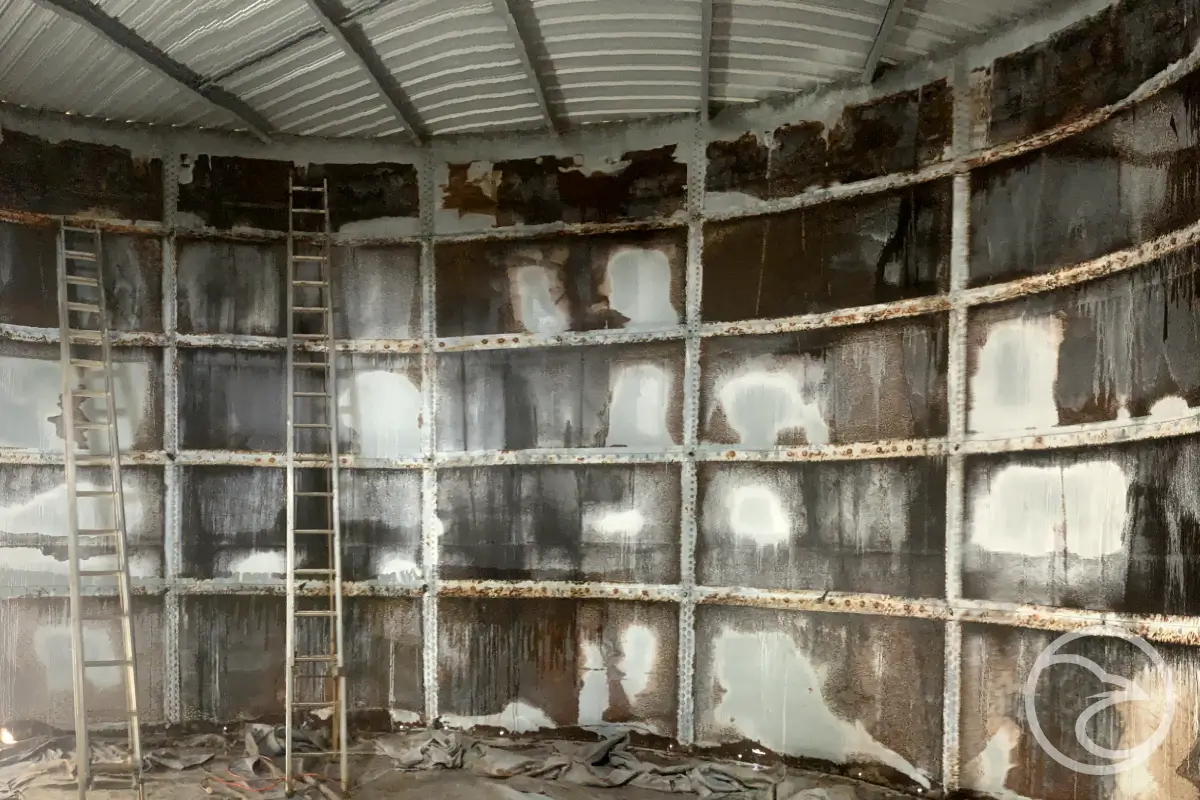
Sectional Tank Refurbishment
Sectional water tanks are assembled from multiple prefabricated panels. The panels are connected to create the required storage capacity and tank dimensions. This design can offer an important advantage during refurbishment.
Deterioration may not affect every panel equally. Some sections may remain serviceable while others require attention. Sectional tank refurbishment can therefore focus on specific components where appropriate.
Possible work includes panel replacement, joint resealing, fastener work, corrosion treatment, and protective system restoration. The modular design does not mean every problem is automatically easy to repair. The overall structure still works as a complete system.
Changes to individual components must therefore consider surrounding panels and connections. A condition-based approach helps determine whether targeted work or broader refurbishment is more appropriate.
Industrial Panel Tank Refurbishment
Industrial panel tanks can operate under demanding conditions. Large capacities and continuous operational requirements may make complete replacement disruptive. Industrial panel tank refurbishment can provide another option when the existing structure remains suitable for restoration.
Planning becomes particularly important on active industrial sites.
Factors may include:
- tank capacity;
- stored water purpose;
- operational downtime;
- access restrictions;
- site safety requirements;
- surrounding equipment;
- water management during works;
- condition of existing components.
Water chemistry can also influence refurbishment decisions. Raw, process, treated, and other water sources can create different internal conditions. The refurbishment scope should therefore reflect how the tank actually operates.
Commercial Panel Tank Refurbishment
Commercial properties use panel tanks for many different water storage purposes. Systems can support buildings, facilities, industrial operations, and essential services. Tank deterioration can create operational problems long before complete structural failure occurs.
Leaks may increase water loss. Corroded components can continue deteriorating. Failed seals can create recurring maintenance requirements. Commercial tank refurbishment can address several of these problems within one planned programme.
This may reduce the need for repeated isolated repairs. The suitability of refurbishment depends on the condition of the existing tank. Age alone should not determine the decision.
Fire Water Tank Refurbishment
Fire water tanks have a specific operational purpose. They store water intended to support fire protection systems when required. Deterioration can therefore have implications beyond routine water loss.
Fire water tank refurbishment may address:
- leaking joints;
- corroded components;
- damaged panels;
- seal deterioration;
- roof problems;
- lining or coating deterioration;
- fittings and connections.
Fire water storage systems may also be subject to specific inspection, maintenance, and compliance requirements. Those requirements should be considered when planning refurbishment. Refurbishment work should not be treated as a substitute for required fire system inspections or compliance activities.
Raw Water Tank Refurbishment
Raw water can contain sediment, minerals, organic material, and other substances. The exact composition varies between sources. These conditions may influence both tank deterioration and refurbishment requirements.
Sediment can accumulate at the bottom of the tank. Water chemistry can also affect internal surfaces and protective systems. Raw water tank repairs should therefore consider more than the visible defect.
The underlying operating conditions may help explain why deterioration developed. Where broader problems exist, refurbishment can address several affected components together.
Panel Tank Repair vs Refurbishment
Repair and refurbishment are related, but they are not necessarily the same thing. A repair generally targets a specific defect. Refurbishment usually considers a wider range of components and deterioration.
| Panel Tank Repair | Panel Tank Refurbishment |
|---|---|
| Targets a specific problem | Addresses broader tank condition |
| Often limited in scope | May involve several work areas |
| May repair one leak | May address multiple leaking joints |
| Can focus on one fitting | Can include fittings, panels and seals |
| Often reactive | Can be planned from a condition assessment |
| May retain most existing components | May replace several deteriorated components |
For example, replacing one failed seal can be considered a repair. Replacing multiple seals, treating corrosion, and restoring damaged panels represents a broader refurbishment.
Neither option is automatically better. The correct approach depends on the extent of deterioration.
Panel Tank Refurbishment vs Tank Replacement
One of the most important questions is whether an existing tank should be refurbished or replaced. Replacement is not automatically necessary because a tank is old.
Likewise, refurbishment is not appropriate simply because it appears less disruptive.
Refurbishment may be Suitable When
Refurbishment may be considered when:
- the main structure remains serviceable;
- deterioration is concentrated in repairable areas;
- individual panels can be replaced;
- seals and fittings can be renewed;
- protective systems can be restored;
- refurbishment provides a practical operational solution.
Retaining serviceable components can reduce unnecessary replacement. It may also reduce disruption on sites where removing an existing tank would be difficult.
Replacement may be More Appropriate when
Replacement may become more practical when:
- deterioration is extensive;
- structural condition is significantly compromised;
- material loss affects multiple critical areas;
- repeated repairs no longer provide a practical solution;
- existing tank requirements no longer meet site needs;
- refurbishment becomes disproportionately extensive.
The decision should be based on actual condition and requirements. Tank age is useful information, but it does not provide the complete answer.
Can Refurbishment Extend the Life of a Panel Water Tank?
Refurbishment can support continued service when the existing tank remains suitable for restoration. It can address deterioration that would otherwise continue progressing. Replacing failed seals can help resolve leakage.
Treating corrosion can protect affected components from further deterioration. Replacing damaged panels can restore sections that are no longer suitable. Protective coatings or liners may also be restored where appropriate.
However, refurbishment does not reset every tank to a completely new condition. Some original components remain in service. The outcome therefore depends on the tank’s starting condition and the refurbishment scope.
Environmental and operating conditions after refurbishment also influence future performance.
What Determines the Scope of a Tank Refurbishment?
Two similar-looking tanks can require very different refurbishment programmes. The scope should reflect actual conditions rather than a standard list of works.
Important factors include:
- tank size;
- tank material;
- panel condition;
- extent of corrosion;
- seal condition;
- fastener condition;
- roof condition;
- lining or coating condition;
- water chemistry;
- stored water purpose;
- tank location;
- site access;
- previous repairs;
- operational requirements.
Accessibility can have a major influence. Some tanks are installed in restricted plant rooms or close to other infrastructure. Others are located outdoors with easier access.
Downtime requirements can also affect planning. A critical storage tank may require different project arrangements from a non-essential system.
How Long Does Panel Tank Refurbishment Take?
There is no standard duration for every refurbishment project. A limited panel tank repair may require much less time than comprehensive industrial refurbishment.
Project duration can depend on:
- tank capacity;
- number of affected panels;
- corrosion severity;
- cleaning requirements;
- seal replacement;
- component availability;
- coating or lining work;
- drying or curing requirements;
- access conditions;
- site restrictions.
The time needed to drain and return the tank to service can also matter. Planning should therefore consider the complete project rather than only physical repair time. An initial condition assessment can help define a more realistic scope.
Is Panel Tank Refurbishment More Cost-Effective than Replacement?
Refurbishment can be more cost-effective when substantial parts of the existing tank remain serviceable. It may avoid replacing components that still have useful service potential. There can also be savings associated with reduced removal, replacement, and site disruption.
However, refurbishment is not automatically the cheaper long-term option. A heavily deteriorated tank may require extensive work.
Repeated refurbishment of unsuitable components can also become inefficient.
Cost depends on factors including:
- tank size;
- extent of deterioration;
- number of panels requiring work;
- seal replacement;
- corrosion treatment;
- coatings or liners;
- access;
- labour requirements;
- replacement components;
- operational constraints.
The comparison should consider both immediate cost and the suitability of the finished tank.
Panel Tank Refurbishment in Sydney
Sydney water storage tanks operate across commercial, industrial, and essential-service environments. Local conditions can vary significantly between sites. Coastal exposure can increase contact with airborne salts.
Industrial environments may introduce additional contaminants. Tank location, drainage, water chemistry, and maintenance history also influence deterioration. Panel tank refurbishment in Sydney can range from isolated leak repairs to broader refurbishment programmes.
Commercial tank refurbishment may involve several tank components where deterioration has developed over time. Raw water tanks can require additional consideration of sediment and stored water conditions.