Stormwater management plays a critical role in urban environments, where large volumes of runoff must be controlled to prevent flooding, erosion, and damage to infrastructure. One of the key elements of effective stormwater systems is the ability to manage overflow during heavy rainfall events. Understanding how stormwater overflow mechanisms work helps property owners, planners, and facility managers better appreciate how these systems protect surrounding areas.
What are Stormwater Overflow Mechanisms?
Stormwater overflow mechanisms are designed to safely manage excess water when rainfall exceeds the capacity of primary drainage systems. Instead of allowing uncontrolled surface runoff, these mechanisms redirect surplus water in a controlled manner, reducing pressure on drainage networks and minimizing the risk of flooding.
In urban settings, overflow systems are especially important due to the high proportion of impervious surfaces such as roads, rooftops, and paved areas. These surfaces prevent natural absorption, increasing the speed and volume of runoff entering stormwater infrastructure.
How Stormwater Systems Respond to Heavy Rainfall
During moderate rainfall, stormwater systems typically operate within their intended capacity, directing water through pipes, channels, or storage components. However, during intense or prolonged rain events, inflow can exceed design limits. Overflow mechanisms are activated at this point to manage excess water safely.
These mechanisms are often integrated into detention or retention systems, allowing water levels to rise to a controlled threshold before redirecting overflow away from critical infrastructure. This controlled response helps reduce sudden surges downstream and protects surrounding properties.
The Role of Storage in Overflow Control
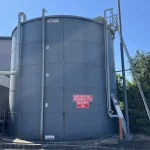
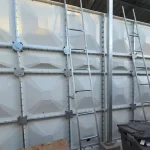
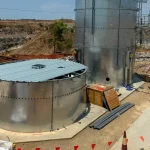
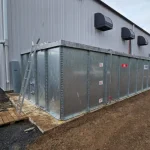
Temporary water storage is a fundamental component of stormwater overflow management. Storage elements slow down runoff, giving downstream systems time to cope with increased volumes. By holding excess water and releasing it gradually, these systems reduce peak flow rates and limit erosion and flooding risks.
Storage-based overflow systems are commonly used in commercial developments, residential complexes, and industrial sites where runoff volumes can be significant. Their effectiveness depends on proper design, capacity, and integration with the broader stormwater network.
Why Proper Overflow Design Matters
Poorly designed or misunderstood overflow mechanisms can lead to unintended consequences, including localized flooding, water damage, and increased maintenance requirements. Inadequate overflow pathways may allow water to bypass intended routes, placing stress on surrounding structures or underground services.
Understanding stormwater overflow mechanisms also helps stakeholders recognize early warning signs of system strain. Changes in water behavior during rainfall events can indicate that overflow pathways are not functioning as intended or that system capacity is being exceeded more frequently.
Environmental Considerations
Stormwater overflow systems also play a role in protecting the environment. By managing how and where excess water is released, these systems help reduce soil erosion, sediment transport, and pollutant discharge into natural waterways.
In well-designed systems, overflow mechanisms direct water to areas where it can be safely dispersed or treated before re-entering the environment. This controlled release supports sustainable water management practices in urban and suburban areas.

Long-Term Performance and System Awareness
As stormwater infrastructure ages, understanding how overflow mechanisms function becomes increasingly important. Structural changes, blockages, or shifts in surrounding land use can all affect how overflow systems behave under stress.
In some cases, changes in runoff patterns or increased development density may require closer attention to system performance. For broader context, stormwater infrastructure assessments may consider how overflow mechanisms interact with storage components and overall system design, as discussed in resources related to stormwater system condition assessments.
Supporting Resilient Stormwater Infrastructure
Understanding stormwater overflow mechanisms is not only useful for engineers and designers but also for property owners and decision-makers responsible for long-term infrastructure planning. A clear grasp of how excess water is managed helps support informed decisions about upgrades, risk mitigation, and future development.
As urban areas continue to grow and rainfall patterns become less predictable, effective stormwater overflow management remains a key factor in maintaining resilient, reliable drainage systems.