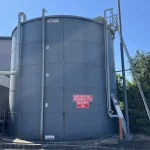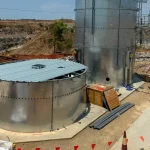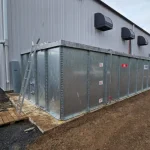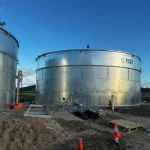
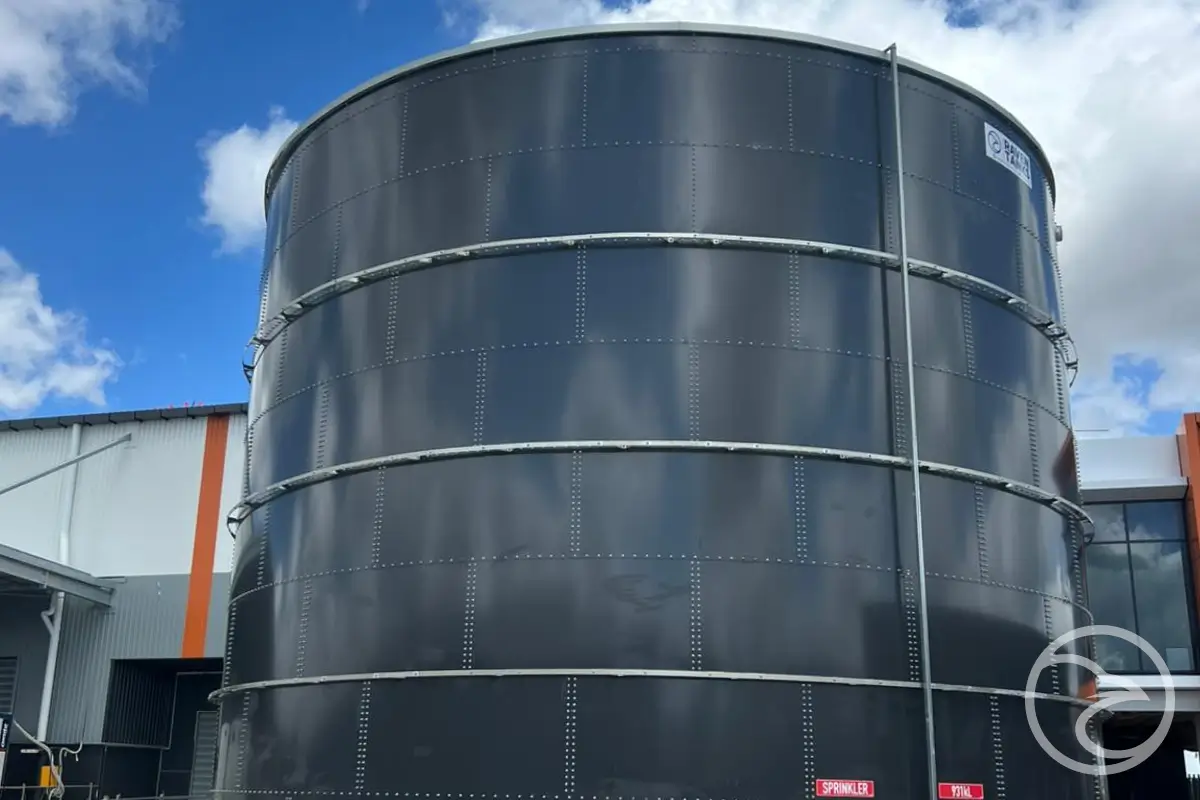
A fire water tank is a critical part of any fire protection system. These tanks store large volumes of water that can be quickly accessed during emergencies. Whether used for commercial, industrial, or residential applications, fire fighting water tanks ensure that buildings remain compliant with safety regulations and prepared for fire risks.
Unlike standard storage solutions, fire protection water tanks are specifically designed to meet Australian Standards such as AS2304, ensuring long-term durability and safety.
Types of Fire Water Storage Solutions
There are several types of firefighting water tanks available, depending on the site requirements:
- Steel Fire Water Tanks – durable and corrosion-resistant, ideal for industrial facilities.
- Hydrant Tanks – connected directly to fire hydrant systems for immediate water supply.
- Panel Fire Water Tanks – modular systems that are easy to transport and assemble.
- Underground Fire Water Storage Tanks – suitable for properties with limited space.
Each solution is engineered to provide reliable fire water storage and to support hydrant and sprinkler systems during emergencies.
Fire Hydrant Tanks Capacity and Design
The size of a fire water tank depends on building regulations and fire risk assessments. Capacities can range from 10,000 litres to over 1 million litres. Larger facilities, such as warehouses or factories, often require firefighting storage tanks that can sustain extended emergency operations.
Design considerations include:
- Compliance with AS1851 and AS2304 standards.
- Corrosion protection (hot-dipped galvanised or epoxy-coated steel).
- Integration with hydrant and sprinkler systems.
- Accessibility for inspections and maintenance.
Maintenance and Inspections
Just like other fire safety equipment, fire water tanks require routine maintenance. Regular inspections ensure that tanks remain free of leaks, sediment, and corrosion.
Professional services often include:
- Fire water tank inspection in compliance with AS1851.
- Structural checks for tank walls, roof, and base.
- Testing of hydrant connections and valves.
- Cleaning and sediment removal.
Routine fire water tank maintenance ensures long-term performance and compliance with safety standards.

Benefits of Installing Fire Fighting Water Tanks
Choosing a reliable fire water storage system provides:
- Fire readiness – immediate access to high-capacity water supply.
- Regulatory compliance – meeting local and Australian Standards.
- Cost savings – reducing risks of fines and insurance claims.
- Safety assurance – protecting lives and property.
Conclusion
A fire water tank is an essential investment in any fire protection strategy. From hydrant tanks to large-scale firefighting storage tanks, these systems provide critical support when it matters most.
Contact a certified provider today at 1800 770 899 to ensure your fire water storage system is designed, installed, and maintained for maximum safety and compliance.