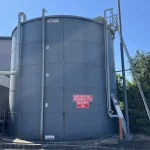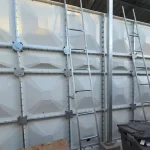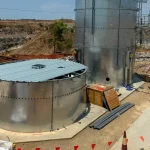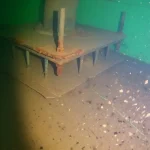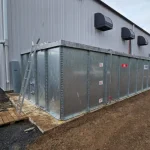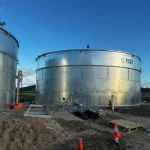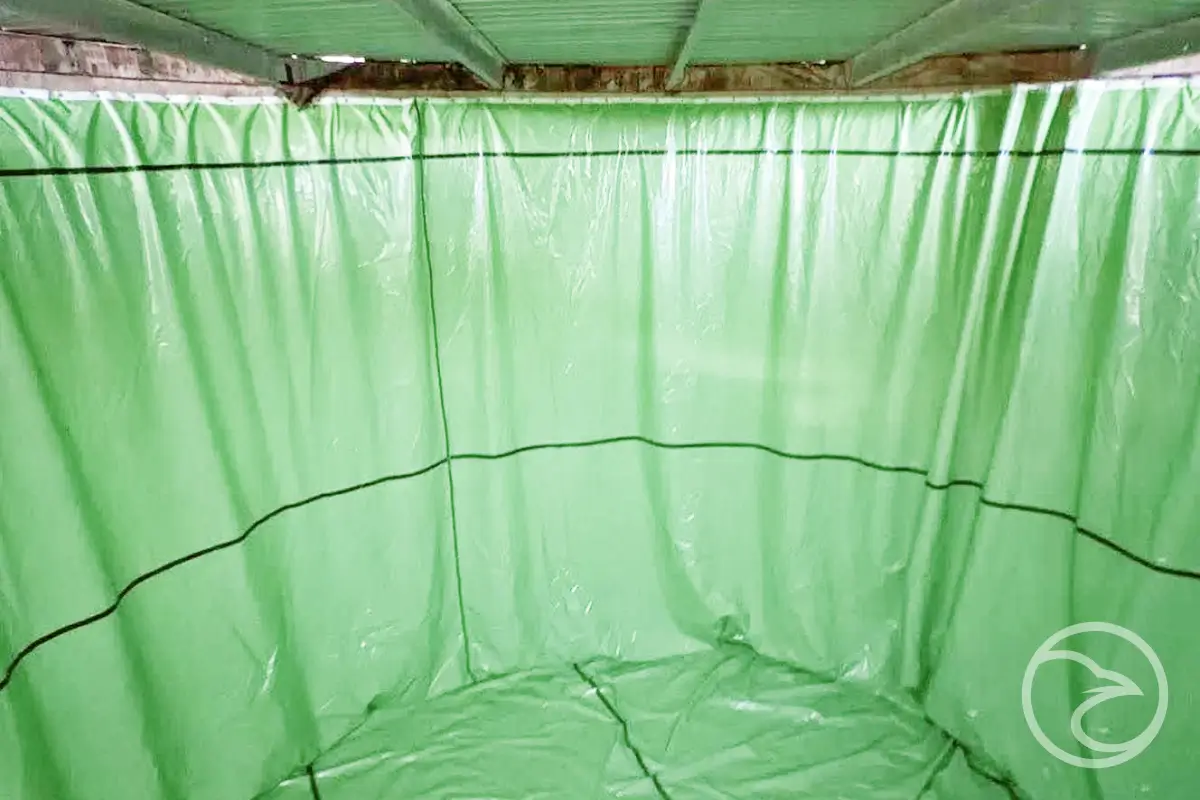

Water storage systems are essential assets across industrial, commercial, and infrastructure environments. Their ability to perform reliably over long periods depends on more than initial design or material selection alone. In practice, long-term performance is shaped by how a system responds to environmental exposure, operational demands, and ongoing maintenance conditions.
Understanding the factors that influence long-term water storage performance allows asset owners and facility managers to reduce unplanned downtime, manage risk more effectively, and extend overall system lifespan.
Installation Accuracy and Structural Stability
The foundation of long-term performance begins at installation. Water storage systems rely on precise alignment, stable base preparation, and consistent structural loading. Even minor deviations during installation can introduce long-term stress that gradually affects joints, fixings, and overall system integrity.
Uneven bases, misaligned panels, or incorrect torque application may not cause immediate failure but can accelerate wear over time. Proper installation verification and commissioning checks play a key role in preventing early degradation and ensuring structural stability.
Influence of Internal Operating Conditions
Internal conditions within a water storage system directly affect performance. Water chemistry, sediment levels, and flow behaviour all contribute to how internal surfaces and structural components age.
High mineral content, suspended solids, and stagnant zones can create uneven internal loads or promote sediment buildup. Over time, these conditions may influence joint performance, base stress distribution, and internal cleanliness. Managing internal conditions through appropriate monitoring and cleaning practices helps maintain consistent system behaviour.
Environmental Exposure and External Stress Factors
Most large water storage systems are exposed to outdoor environments. Factors such as ultraviolet radiation, temperature fluctuations, humidity, and airborne contaminants can affect external components and interfaces.
In coastal or industrial regions, atmospheric conditions may introduce additional stress through salt exposure or chemical particulates. While material selection influences resistance to these factors, environmental exposure must be considered as part of a broader performance strategy that includes inspection frequency and protective measures.

Joint Integrity and Connection Performance
Joints and connection points are critical elements in many water storage system designs. Over time, thermal movement, vibration, and operational load cycles can influence joint compression and sealing effectiveness.
Gradual changes such as bolt relaxation or gasket ageing often occur slowly and may remain unnoticed without targeted inspections. Maintaining joint integrity through periodic assessment helps identify early signs of movement or wear before performance is affected.
Maintenance Practices and Inspection Planning
Routine maintenance is one of the most effective ways to support long-term water storage performance. Many performance-related issues develop progressively rather than suddenly, making early detection essential.
Structured maintenance programs typically include visual inspections, internal condition checks, and monitoring of known stress areas. These practices allow minor issues to be addressed before they escalate into more complex repairs or operational interruptions.
Operational Load and Usage Patterns
How a water storage system is used also influences its performance over time. Systems that experience frequent filling and draining cycles are exposed to different stress patterns than those used for static storage.
Fire reserve systems, for example, often remain full for extended periods, while process water systems may undergo regular level changes. Aligning system design and maintenance planning with actual usage patterns helps ensure that operational demands do not exceed performance expectations.
Role of Material Behaviour in System Performance
Material behaviour plays a role in how water storage systems respond to environmental and operational stress. Materials such as stainless-grade steels, composites, and engineered substrates each exhibit different characteristics under long-term exposure.
However, material performance should be viewed as part of an integrated system rather than an isolated factor. Installation quality, environmental conditions, and maintenance practices ultimately determine how effectively materials perform over time.
Conclusion
Long-term water storage performance is the result of multiple interacting factors rather than a single design decision. Installation accuracy, internal operating conditions, environmental exposure, joint performance, maintenance planning, and usage patterns all contribute to overall system reliability.
By understanding and managing these factors, asset owners can extend service life, reduce operational risk, and maintain consistent performance across a wide range of storage applications. For additional insight into engineered water storage options and material performance considerations, see related modular panel storage solutions.