Choosing the right water storage tank is an important decision for commercial, industrial, and municipal projects. The tank material affects durability, maintenance requirements, water quality, and long-term costs.
Two of the most common options are stainless steel tanks and Glass Reinforced Plastic (GRP) tanks. Both are widely used for potable water, fire protection systems, and industrial applications.
However, each solution offers different advantages and limitations. Understanding these differences can help project owners select the most suitable tank for their operational requirements.
This guide compares stainless steel tanks and GRP tanks across several key areas, including durability, maintenance, hygiene, installation, and lifecycle performance.
What are Stainless Steel Tanks?
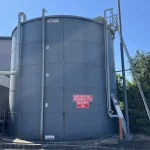
Stainless steel tanks are water storage systems manufactured using corrosion-resistant stainless steel panels or welded steel structures.
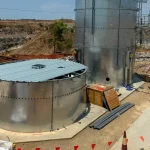
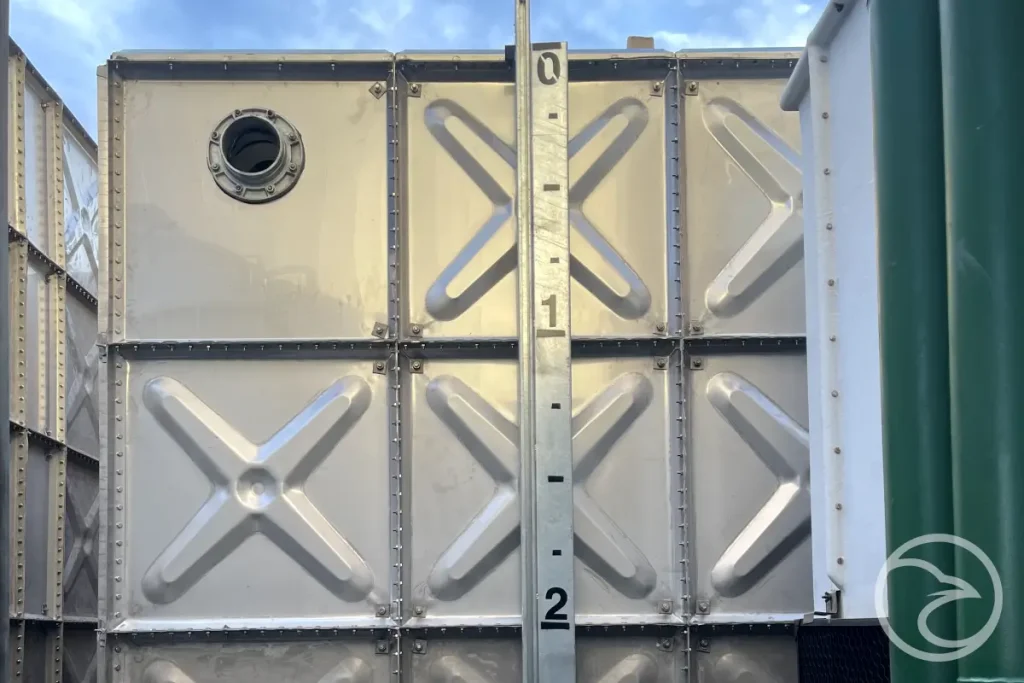
Many modern systems are built as sectional stainless steel tanks, which use modular panels that can be assembled on-site. This design allows flexibility in both tank size and installation location.
Stainless steel is valued for its strength, corrosion resistance, and long service life. It is commonly used in:
- Potable water storage
- Fire water storage
- Commercial buildings
- Industrial facilities
- Municipal infrastructure
Because stainless steel naturally resists corrosion, it performs well in demanding environments.
What are GRP Tanks?
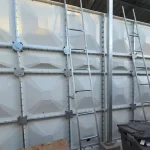
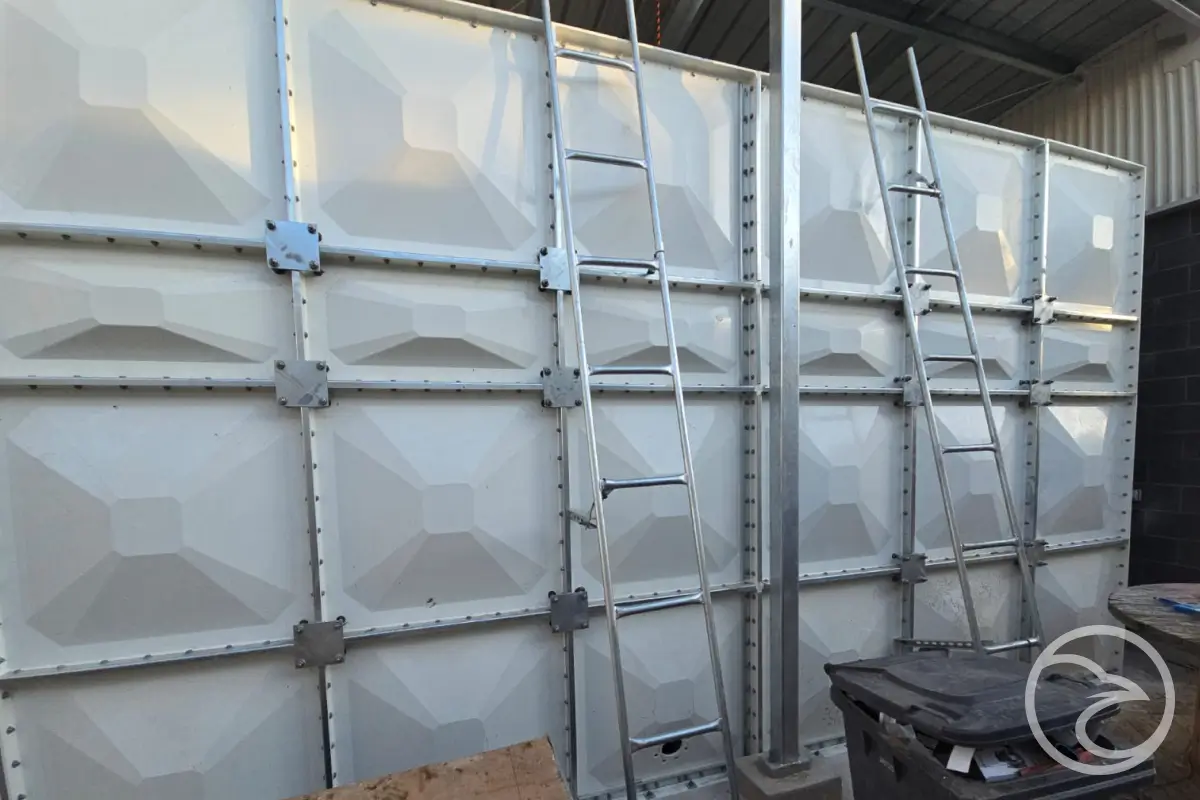
GRP stands for Glass Reinforced Plastic. These tanks are manufactured using composite materials that combine plastic resins with glass fibre reinforcement.
GRP panel tanks are also commonly available in sectional designs, making them suitable for a wide range of water storage applications.
Typical uses include:
- Potable water storage
- Rainwater harvesting
- Fire protection systems
- Cooling water systems
- Commercial facilities
GRP tanks are known for their lightweight construction and relatively low installation costs.
Stainless Steel Tanks vs GRP Tanks: Key Differences
While both tank types are effective water storage solutions, their performance differs across several important categories.
Durability and Lifespan
One of the biggest differences between stainless steel and GRP tanks is durability. Stainless steel offers exceptional structural strength and can withstand demanding operating conditions for decades.
Benefits include:
- High impact resistance
- Strong structural performance
- Excellent weather resistance
- Long service life
Many stainless steel tanks remain operational for more than 30 years with proper maintenance. GRP tanks also offer good durability, but their lifespan may be influenced by environmental conditions and long-term material degradation.
Exposure to UV radiation and temperature fluctuations can affect GRP components over time. For projects prioritising longevity, stainless steel tanks are often considered a strong long-term solution.
Corrosion Resistance
Corrosion is a major consideration for any water storage system.
Stainless Steel Tanks
Stainless steel contains chromium, which forms a protective oxide layer on the surface.
This layer helps resist:
- Rust
- Corrosion
- Water exposure
- Atmospheric contaminants
High-quality stainless steel performs particularly well in harsh environments.
GRP Tanks
GRP tanks do not rust because they are manufactured from non-metallic materials.
However, they may experience:
- Surface degradation
- UV-related deterioration
- Material fatigue over time
While both materials offer corrosion resistance, stainless steel generally provides greater long-term structural stability.
Water Quality and Hygiene
Water quality is particularly important for potable water applications.
Stainless Steel Performance
Stainless steel is widely recognised for its hygienic properties.
Advantages include:
- Smooth internal surfaces
- Minimal bacterial growth
- Easy cleaning
- Resistance to contamination
For this reason, stainless steel is commonly used within food processing, healthcare, and potable water infrastructure.
GRP Performance
Modern GRP tanks are designed to maintain water quality and comply with relevant standards. However, internal surfaces may become more difficult to clean as tanks age.
In applications where hygiene is a priority, stainless steel is often considered the preferred option.
Maintenance Requirements
Maintenance costs play a significant role in long-term asset ownership.
Stainless Steel Tanks
Stainless steel generally requires minimal maintenance.
Typical maintenance activities include:
- Routine inspections
- Cleaning
- Connection checks
- Condition monitoring
The material itself requires little intervention compared to some alternative storage solutions.
GRP Tanks
GRP tanks also require routine inspections and cleaning.
However, maintenance programs may need to address:
- Joint condition
- Panel deterioration
- UV-related wear
- Surface repairs
Over extended periods, repair requirements may increase.
Installation and Flexibility
Both stainless steel and GRP tanks are available in modular sectional designs.
This allows installation in locations where access may be limited.
Stainless Steel Installation
Modern Stainless Steel Tank Installation methods allow tanks to be assembled on-site using prefabricated panels.
Benefits include:
- Flexible sizing
- Efficient transportation
- Adaptability to site constraints
- Future expansion opportunities
GRP Installation
GRP sectional tanks offer similar installation advantages. Their lighter weight can sometimes simplify transportation and handling.
However, installation requirements ultimately depend on project specifications and site conditions.
Temperature Performance
Environmental conditions can affect tank performance.
Stainless Steel
Stainless steel performs well across a wide range of temperatures.
Benefits include:
- Structural stability
- Resistance to thermal expansion issues
- Consistent performance in harsh environments
GRP
GRP tanks generally perform well in standard operating conditions. However, long-term exposure to temperature extremes may affect certain material properties.
This consideration is particularly important for outdoor installations.
Strength and Structural Integrity
Structural strength is another important factor when selecting a water storage solution.
Stainless Steel
Stainless steel provides:
- High tensile strength
- Excellent load-bearing capacity
- Strong impact resistance
These properties support reliable long-term performance.
GRP
GRP tanks offer good structural performance for many applications. However, they typically do not match the strength characteristics of stainless steel.
Projects involving demanding operating conditions often favour stainless steel for this reason.
Long-Term Costs
Initial project costs are only one part of the overall investment. Lifecycle costs should also be considered.
Stainless Steel Lifecycle Costs
While stainless steel tanks may have a higher upfront cost, they often provide:
- Longer service life
- Reduced maintenance requirements
- Lower repair costs
- Strong long-term value
GRP Lifecycle Costs
GRP tanks may offer lower initial installation costs. However, long-term maintenance and replacement considerations should be included when evaluating total ownership costs.
For many asset owners, lifecycle performance becomes more important than initial purchase price.
When to Choose a Stainless Steel Tank
Stainless steel tanks may be the preferred choice when:
- Long service life is a priority
- Water quality is critical
- Corrosion resistance is required
- Maintenance needs should be minimised
- Harsh environmental conditions are expected
Many organisations choose stainless steel tanks because of their durability and long-term reliability.
When to Choose a GRP Tank
GRP tanks may be suitable when:
- Initial project budgets are limited
- Lightweight construction is beneficial
- Standard operating conditions are expected
- Modular installation flexibility is required
GRP remains a practical solution for many water storage applications.
Which Water Storage Solution Is Right for Your Project?
There is no universal answer when comparing stainless steel tanks and GRP tanks.
The most suitable solution depends on:
- Project requirements
- Budget considerations
- Environmental conditions
- Water quality objectives
- Long-term maintenance strategies
Conclusion
Both stainless steel tanks and GRP tanks offer reliable water storage solutions for commercial, industrial, and municipal applications.
GRP tanks provide lightweight construction and cost-effective installation. Stainless steel tanks deliver exceptional durability, hygiene, and long-term performance.
By evaluating durability, maintenance requirements, lifecycle costs, and operational needs, project owners can choose the water storage solution that best supports their objectives.