
Safe drinking water does not depend solely on treatment processes. Once water enters a storage tank, the condition of that tank plays a vital role in maintaining its quality, safety, and reliability until it reaches consumers.
A well-maintained drinking water tank protects stored water from contamination, supports a consistent water supply, and helps preserve water quality throughout the distribution system. However, when a tank begins to deteriorate, it can become a source of contamination rather than protection.
Water tank failure is often associated with structural damage such as leaks or corrosion, but the consequences can extend much further. Damaged roofs, deteriorated coatings, leaking joints, accumulated sediment, or inadequate maintenance can all compromise water hygiene. These conditions create opportunities for bacteria, algae, insects, debris, and other contaminants to enter the tank, affecting both water quality and public health.
For organisations responsible for drinking water storage, maintaining tank integrity is therefore about more than protecting physical infrastructure. It is also about ensuring compliance with drinking water standards, safeguarding public health, and reducing operational risks.
Regular inspections, cleaning, maintenance, and timely repairs help prevent failures before they affect the safety of stored water. Detecting problems early also reduces repair costs, extends the service life of the tank, and minimises the risk of unexpected interruptions to water supply.
This guide explains the most common causes of drinking water tank failure, how contamination occurs, the warning signs to look for, and the maintenance practices that help keep drinking water storage systems safe, hygienic, and reliable.
What is Drinking Water Tank Failure?
Drinking water tank failure refers to any condition that prevents a storage tank from safely storing and protecting potable water. While many people associate failure with a collapsed or leaking tank, failures often develop gradually and may first appear as hygiene issues, water quality problems, or minor structural defects.
In drinking water systems, a tank has two equally important functions. It must safely contain water while also protecting it from contamination throughout the storage period. If either of these functions is compromised, the tank can no longer perform as intended.
Drinking water tank failures generally fall into three categories.
Structural Failure
Structural failures affect the physical integrity of the tank.
Examples include:
- corrosion of steel components
- cracked concrete walls
- damaged roof structures
- leaking joints
- failed liners
- foundation movement
- distorted or weakened panels
If left untreated, structural defects can lead to water loss, reduced storage capacity, or complete tank failure.
Operational Failure
Operational failures affect the way the tank functions within the water supply system. These problems may include malfunctioning valves, faulty level controls, damaged overflow systems, leaking pipe connections, or poor drainage.
Although these issues may not immediately affect the tank structure, they can reduce efficiency, increase water losses, and contribute to long-term deterioration.
Hygiene Failure
Hygiene failure is one of the most significant risks for drinking water storage tanks. A tank may remain structurally sound while still allowing contamination to occur. Poor hygiene can result from damaged roof hatches, broken insect screens, inadequate ventilation protection, accumulated sediment, biofilm growth, or insufficient cleaning.
Once contaminants enter the tank, water quality can deteriorate rapidly. Changes in taste, odour, colour, or microbiological quality may indicate that the storage environment is no longer adequately protecting the drinking water.
Understanding these different forms of failure helps operators recognise that protecting drinking water involves much more than repairing leaks. Maintaining structural integrity, operational reliability, and hygienic conditions are all essential for delivering safe, clean drinking water.
Types of Drinking Water Tanks and their Common Problems
Drinking water storage tanks are manufactured from a range of materials, each offering different advantages and maintenance requirements. Although all tanks are designed to protect potable water, the types of deterioration they experience can vary depending on their construction, operating environment, and age.
Understanding these differences helps operators identify potential risks earlier and plan appropriate inspection and maintenance programs.
Steel Drinking Water Tanks
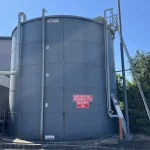
Steel tanks are widely used for municipal, commercial, and industrial drinking water storage because of their strength and long service life.
However, steel is particularly vulnerable to corrosion if protective coatings deteriorate or become damaged. Internal corrosion may affect water quality by introducing rust particles, while external corrosion can weaken structural components over time.
Common problems include:
- corrosion beneath damaged coatings
- leaking bolted joints
- roof corrosion
- deteriorated sealants
- rust contamination
- coating failure
Routine coating inspections and corrosion management are essential for extending the service life of steel drinking water tanks.
Concrete Drinking Water Tanks
Concrete tanks offer excellent durability and thermal stability, making them suitable for large drinking water storage applications.
Over time, however, concrete can develop cracks due to settlement, shrinkage, or structural movement. These defects may allow external water to enter the tank or stored water to escape. Cracked surfaces may also provide areas where biological growth and sediment accumulate.
Common issues include:
- structural cracking
- water ingress
- deteriorating concrete surfaces
- damaged waterproof membranes
- sediment accumulation
Regular structural inspections help identify deterioration before significant repairs become necessary.
GRP (Glass Reinforced Plastic) Drinking Water Tanks
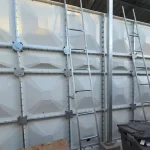
GRP panel tanks are commonly installed in commercial buildings, hospitals, schools, and industrial facilities because they are lightweight, corrosion resistant, and relatively easy to install.
Despite these advantages, GRP tanks require regular inspection. Ageing seals, damaged panels, or poorly maintained joints may allow leaks or contamination to develop.
Typical problems include:
- damaged panels
- leaking joints;
- deteriorated gaskets
- internal surface wear
- UV damage on exposed components
Regular inspection of panel connections and seals helps maintain both structural integrity and water hygiene.
Polyethylene Drinking Water Tanks
Polyethylene tanks are widely used for smaller drinking water storage applications because they are lightweight, corrosion resistant, and cost-effective.
Although polyethylene does not corrode, prolonged UV exposure, physical impact, and ageing can weaken the material over time. Damaged lids or poorly sealed access points may also allow contaminants to enter the stored water.
Common problems include:
- UV degradation
- cracking
- deformation
- damaged lids
- inadequate ventilation protection
- contamination through unsecured openings
Routine maintenance helps ensure these tanks continue to provide safe and hygienic drinking water storage despite long-term environmental exposure.
Common Causes of Drinking Water Tank Failure
Drinking water tank failure is rarely caused by a single issue. In most cases, it results from a combination of ageing, environmental exposure, inadequate maintenance, and gradual deterioration over time. While some problems affect the structural integrity of the tank, others increase the risk of water contamination or reduce the reliability of the storage system.
Understanding these causes helps operators take preventive action before small defects become major failures.
Ageing Infrastructure
Like any critical asset, drinking water tanks have a finite service life. Over time, construction materials naturally deteriorate, protective coatings wear away, and seals become less effective.
Age-related deterioration can increase the risk of leaks, corrosion, cracking, and contamination if maintenance is delayed.
Corrosion
Corrosion is one of the leading causes of failure in steel drinking water tanks. When protective coatings become damaged, moisture and oxygen can attack exposed steel surfaces. Corrosion gradually weakens the tank structure, damages internal surfaces, and may introduce rust particles into the stored water.
Without timely treatment, localised corrosion can develop into significant structural damage.
Damaged Protective Coatings and Liners
Internal coatings and liners protect both the tank structure and the stored drinking water. As these protective systems age, they may blister, crack, peel, or separate from the tank surface. Once the barrier is compromised, the underlying material becomes more vulnerable to corrosion, moisture penetration, and bacterial growth.
Regular coating inspections are essential for maintaining both structural integrity and water hygiene.
Poor Installation
Incorrect installation can create long-term reliability issues that may not become apparent for several years.
Examples include:
- inadequate foundations
- poorly sealed joints
- incorrectly aligned panels
- insufficient structural support
- improperly installed pipe penetrations
These defects increase stress on the tank and often contribute to premature deterioration.
Foundation Movement
Ground settlement, soil erosion, or changes in ground conditions may cause uneven support beneath the tank. As the foundation moves, additional stress is transferred to the walls, joints, and pipe connections. Over time, this movement may lead to cracking, distortion, or persistent leaks.
Routine inspections should include both the tank and its supporting structure.
Lack of Cleaning and Hygiene Maintenance
Even a structurally sound tank can fail to provide safe drinking water if hygiene is neglected. Over time, sediment naturally settles on the tank floor. If it is not removed, it can support bacterial growth, reduce disinfectant effectiveness, and contribute to biofilm formation.
Regular cleaning helps maintain water quality while reducing the likelihood of contamination.
Inadequate Access Protection
Drinking water tanks rely on secure access points to keep contaminants out. Damaged lids, missing seals, broken insect screens, or poorly protected vents may allow dust, leaves, insects, birds, rodents, and rainwater to enter the tank.
Once contaminants gain access, maintaining drinking water quality becomes significantly more difficult.
Environmental Exposure
External environmental conditions can gradually damage drinking water tanks.
Common contributing factors include:
- prolonged UV exposure
- coastal salt spray
- heavy rainfall
- flooding
- strong winds
- extreme temperature fluctuations
These conditions accelerate material deterioration and increase maintenance requirements.
Deferred Maintenance
One of the most common causes of major tank failure is delaying routine maintenance. Minor leaks, damaged coatings, loose fittings, or early corrosion often appear insignificant. However, without timely repairs, these small defects frequently develop into costly structural failures or water quality issues.
A proactive maintenance program is almost always more cost-effective than emergency repairs or premature tank replacement.
How Drinking Water Tanks Become Contaminated
A drinking water tank is designed to protect stored water from external contaminants. However, when the tank deteriorates or maintenance is neglected, contaminants can enter the storage system and affect water quality.
Contamination does not always occur through a major structural failure. In many cases, it develops gradually as small defects allow unwanted materials or microorganisms to enter the tank.
Sediment Build-Up
Small amounts of sediment naturally settle at the bottom of drinking water tanks over time. If sediment is not removed during routine cleaning, it can create conditions that encourage bacterial growth, reduce disinfectant performance, and affect water clarity.
Regular sediment removal is an important part of maintaining hygienic storage conditions.
Biofilm and Microbial Growth
Moist internal surfaces provide favourable conditions for biofilm development. Biofilms are communities of microorganisms that attach to tank surfaces and protect bacteria from disinfectants. Once established, they can be difficult to remove without professional cleaning and disinfection.
Routine inspections help identify early signs of biological growth before water quality is affected.
Insects, Birds and Vermin
Poorly maintained access points can allow pests to enter the tank. Damaged roof hatches, broken insect screens, missing seals, or unsecured vents may provide entry points for insects, birds, rodents, and other animals. Besides introducing physical contamination, pests can also carry harmful microorganisms.
Keeping all openings properly sealed is essential for protecting potable water.
Rainwater and Surface Water Ingress
Cracks, damaged roofs, or poorly sealed access covers may allow rainwater or surface runoff to enter the tank. Unlike treated drinking water, external water may carry soil, organic matter, microorganisms, or other contaminants that compromise water quality.
Maintaining watertight seals helps prevent this type of contamination.
Corrosion Products
As steel components corrode, rust particles may enter the stored water. Although corrosion initially affects the tank structure, it can also reduce water clarity, cause discoloration, and indicate that protective coatings have deteriorated.
Early corrosion treatment helps protect both the tank and the water it stores.
Contamination During Maintenance
Maintenance activities themselves can introduce contaminants if appropriate hygiene procedures are not followed. Tools, equipment, footwear, or replacement materials that are not suitable for potable water environments may compromise water quality during inspections or repairs.
For this reason, maintenance on drinking water tanks should always follow recognised hygiene practices and use materials approved for contact with potable water.
Common Signs of Drinking Water Tank Failure
Drinking water tank failures often develop gradually. Small defects may not immediately affect the water supply, but they can worsen over time and eventually compromise both the structural integrity of the tank and the quality of the stored water.
Recognising early warning signs allows operators to address problems before they result in costly repairs, service interruptions, or contamination.
Structural Warning Signs
Visible damage to the tank structure is often the first indication that maintenance is required.
Common structural warning signs include:
- leaking joints or pipe connections
- cracks in concrete walls or foundations
- corrosion or rust staining
- bulging or distorted panels
- damaged roof structures
- deteriorated coatings or liners
- standing water around the tank base
Even small leaks should be investigated promptly, as they may indicate larger underlying structural issues.
Water Quality Warning Signs
Changes in water quality may indicate that contaminants have entered the tank or that internal components are deteriorating.
Operators should investigate if they notice:
- cloudy or discoloured water
- unusual taste or odour
- visible rust particles
- increased sediment
- floating debris
- reduced water clarity
These changes do not always indicate a major structural failure, but they should never be ignored, particularly in drinking water storage systems.
Hygiene and Contamination Indicators
Some warning signs are directly related to hygiene rather than structural damage.
Examples include:
- biofilm or slime on internal surfaces
- algae growth
- insects inside the tank
- bird or rodent activity near access points
- damaged insect screens
- broken roof hatches
- unsecured inspection covers
- blocked or damaged vents
These defects can create pathways for contamination even when the tank itself remains structurally sound.
Operational Warning Signs
Problems with tank operation can also indicate developing failures.
Operators should monitor for:
- unexplained water loss
- unusually frequent refilling
- fluctuating water levels
- malfunctioning valves or level controls
- overflow problems
- reduced system pressure
Operational issues often point to hidden leaks or equipment failures that require further investigation.
How to Detect Drinking Water Tank Problems
Routine inspections are one of the most effective ways to identify deterioration before it affects drinking water quality or causes structural failure. A comprehensive inspection program should evaluate both the condition of the tank and the safety of the stored water.
External Visual Inspections
External inspections help identify obvious defects that may affect the performance or integrity of the tank.
Inspectors typically assess:
- external corrosion
- cracks
- roof condition
- access hatches
- vents and insect screens
- overflow pipes
- pipe connections
- foundations
- surrounding drainage
Visible defects identified during external inspections often indicate the need for further investigation.
Internal Tank Inspections
Internal inspections provide a more detailed assessment of the tank’s condition.
Areas commonly evaluated include:
- sediment accumulation
- corrosion
- coating condition
- liner integrity
- joints and seals
- structural components
- biological growth
- signs of contamination
Because drinking water tanks are confined spaces, internal inspections should be carried out using appropriate safety procedures and qualified personnel.
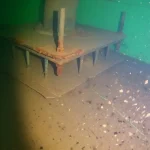
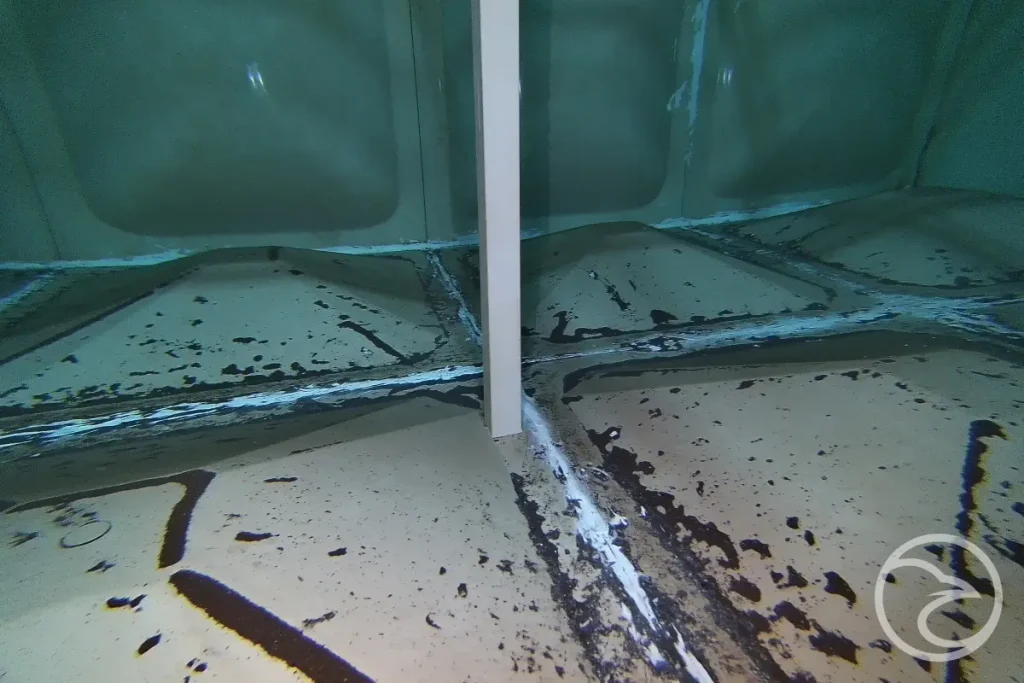
Where internal access is difficult or confined space entry presents safety risks, ROV drone inspections provide a safe and efficient way to assess the condition of drinking water tanks without draining the asset.
Water Quality Testing
Visual inspections alone cannot identify every problem. Routine water quality testing helps detect changes that may indicate contamination or deterioration within the tank.
Testing may assess:
- microbiological quality
- disinfectant residuals
- turbidity
- pH
- colour
- taste and odour
- other parameters required by local drinking water regulations
Water quality monitoring provides valuable information about the overall performance of the storage system.
Leak Detection
Not all leaks are visible from the outside. Specialised leak detection techniques can identify hidden water losses before they become significant structural problems. Depending on the tank design, inspections may include pressure testing, acoustic monitoring, or other non-destructive assessment methods.
Early leak detection reduces water loss and helps prevent more extensive damage.
Structural Assessments
Where deterioration is suspected, a detailed structural assessment may be required.
Engineers may evaluate:
- corrosion severity
- wall thickness
- concrete condition
- structural movement
- foundation stability
- remaining service life
These assessments help determine whether maintenance, repair, or replacement is the most appropriate course of action.
A combination of routine inspections, water quality monitoring, and professional condition assessments provides the best opportunity to identify problems early and maintain safe, reliable drinking water storage.
Drinking Water Tank Cleaning and Hygiene
Keeping a drinking water tank structurally sound is only part of maintaining a safe water storage system. Regular cleaning and good hygiene practices are equally important for protecting water quality and preventing contamination.
Over time, even well-maintained tanks can accumulate sediment, mineral deposits, biofilm, and other contaminants. If these materials are not removed, they can reduce disinfectant effectiveness, encourage microbial growth, and affect the quality of stored drinking water.
Routine cleaning helps maintain a hygienic storage environment and supports compliance with drinking water regulations.
Why Regular Tank Cleaning is Important
Drinking water tanks should be cleaned as part of a planned maintenance program rather than only when problems become visible.
Regular cleaning helps to:
- remove accumulated sediment
- reduce biofilm development
- minimise bacterial growth
- improve water quality
- maintain disinfectant effectiveness
- extend the service life of protective coatings and liners
- identify hidden defects during internal inspections
Cleaning also provides an opportunity to inspect the internal condition of the tank while it is temporarily out of service. Regular tank cleaning removes sediment, biofilm, and other contaminants that can compromise drinking water quality and contribute to premature tank deterioration.
Maintaining Hygienic Conditions
Protecting drinking water requires more than cleaning the inside of the tank.
Good hygiene practices include:
- keeping access covers securely closed
- maintaining insect-proof vents and overflow screens
- preventing birds and vermin from entering the tank
- ensuring inspection equipment is clean before use
- using repair materials suitable for potable water applications
- preventing debris from entering the tank during maintenance
These simple measures significantly reduce the risk of contamination.
Cleaning After Repairs
Repairs involving internal tank surfaces may introduce dust, debris, or construction materials into the storage system. Following significant maintenance work, the tank should be thoroughly cleaned and, where required, disinfected before being returned to service.
This helps ensure that repair activities do not compromise drinking water quality.
Can a Drinking Water Tank be Repaired?
Many drinking water tank failures can be successfully repaired if deterioration is identified early. The appropriate repair method depends on the extent of the damage, the condition of the tank, and whether water quality has been affected.
Prompt repairs not only restore structural integrity but also help prevent contamination and extend the service life of the storage system.
When damage is identified, professional tank repair services can restore structural integrity, prevent further deterioration, and help protect the quality of stored drinking water.
Common Repairs
Minor defects can often be repaired before they develop into larger structural problems.
Typical repair work includes:
- sealing leaking joints
- repairing cracks
- replacing damaged panels
- restoring protective coatings
- repairing or replacing liners
- replacing deteriorated gaskets and seals
- repairing roofs, hatches, and vents
- replacing damaged pipe connections
Addressing these issues early is generally more cost-effective than allowing deterioration to continue.
Materials Suitable for Drinking Water
Unlike many industrial water tanks, drinking water tanks require repair materials that are approved for contact with potable water. Protective coatings, sealants, gaskets, and replacement components should be compatible with drinking water applications to avoid introducing contaminants or affecting water quality.
Using inappropriate repair materials can create long-term hygiene risks even if the structural repair is successful.
When Repairs may not be Enough
In some situations, repairing the tank is no longer the most practical solution.
Replacement may be more appropriate when:
- corrosion is widespread
- structural deterioration affects multiple components
- repeated leaks continue after previous repairs
- contamination cannot be reliably eliminated
- the tank has reached the end of its design life
- repair costs approach the cost of replacement
A professional condition assessment helps determine the most economical long-term solution.
How to Prevent Drinking Water Tank Failure
Preventive maintenance is the most effective way to reduce the risk of tank failure while protecting drinking water quality. Small maintenance tasks performed regularly are far less expensive than emergency repairs or complete tank replacement.
An effective maintenance program should include both structural inspections and hygiene management.
Key preventive measures include:
- schedule regular internal and external inspections
- monitor water quality routinely
- remove sediment before excessive build-up occurs
- maintain protective coatings and liners
- repair leaks as soon as they are identified
- inspect roofs, access hatches, vents, and overflow screens
- prevent insects, birds, and vermin from entering the tank
- monitor foundations for signs of movement
- keep maintenance and inspection records
- carry out repairs using materials approved for potable water systems
By combining regular inspections, cleaning, and timely repairs, operators can significantly reduce the likelihood of structural failures, contamination, and unexpected service interruptions.
When Should a Drinking Water Tank be Replaced Instead of Repaired?
Although many tanks can be repaired, replacement may provide better long-term value when deterioration becomes extensive.
Replacement should be considered when:
- structural damage affects the overall integrity of the tank
- corrosion has significantly weakened major components
- contamination problems occur repeatedly despite cleaning
- protective coatings or liners can no longer be effectively restored
- the tank no longer meets operational or hygiene requirements
- ongoing repairs become increasingly frequent and costly
Replacing an ageing tank can improve reliability, reduce maintenance costs, and provide greater confidence in the long-term safety of the drinking water supply.
Conclusion
A drinking water tank does far more than store water. It protects water quality, supports public health, and ensures a reliable supply of safe drinking water.
Failures can develop through corrosion, ageing materials, structural movement, poor maintenance, inadequate hygiene, or contamination. While some problems are immediately visible, many begin as small defects that gradually compromise both the tank and the quality of the stored water.
Regular inspections, routine cleaning, water quality monitoring, and timely repairs are essential for preventing deterioration and maintaining hygienic storage conditions. By adopting a proactive maintenance approach, asset owners can extend the service life of their drinking water tanks, reduce operating costs, and ensure that stored water remains clean, safe, and fit for consumption.