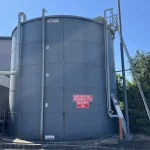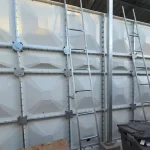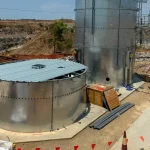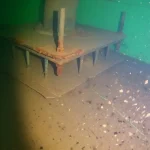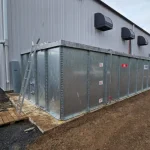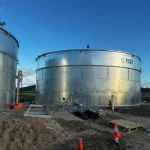

Fire tanks are a critical component of fire safety systems, ensuring a dependable water source during emergencies. However, even the most advanced fire tanks need regular maintenance to maintain their efficiency. Routine fire tank inspections are not only a legal obligation but also essential for safeguarding lives, property, and businesses.
Why Regular Inspections Are Crucial
- Preventing Structural Damage. Over time, fire tanks may suffer from corrosion, cracks, or other issues caused by environmental factors such as moisture or temperature fluctuations.
- Ensuring Water Accessibility. Faulty valves or blocked pipes can render a tank useless during an emergency.
- Compliance with Regulations. Many jurisdictions mandate periodic inspections of fire tanks to ensure adherence to safety standards.
What Does a Standard Inspection Include?
- Structural Assessment: Checking for visible damage like corrosion, dents, or cracks in the tank’s body.
- Leak Detection: Ensuring the tank is watertight and free from any leaks.
- Sediment Removal: Clearing out debris, sediment, or algae that can reduce water capacity and quality.
- Valve and Pipe Functionality: Testing all mechanical components to guarantee smooth water flow.
- Automation Systems Check: For tanks equipped with sensors, ensuring all monitoring and alert systems work correctly.
Checklist for Tank Owners
- Perform internal and external cleaning annually.
- Inspect valves and pipelines quarterly for wear and tear.
- Schedule a professional inspection at least once a year.
- Address minor damages immediately to prevent larger issues.
Real-Life Lessons: The Cost of Neglect
In 2022, a manufacturing facility experienced a fire, but the fire tank failed to provide enough water due to unnoticed structural damage. A simple inspection could have identified the problem and potentially saved millions in damages.
Innovative Inspection Technologies
Modern technology is revolutionizing fire tank inspections. Drones with cameras can quickly evaluate large tanks, while sensors provide continuous monitoring of water levels and tank conditions. These advancements make inspections faster, safer, and more efficient.
Conclusion
Routine fire tank inspections are crucial for maintaining safety and reducing risks. By following inspection standards and leveraging modern technology, businesses can safeguard their assets and stay compliant with regulations. Remember, safety starts with proper preparation.