Tank liners protect water storage systems from leaks, corrosion, and contamination. Without proper maintenance, even high-quality liners will fail earlier than expected.
Regular care keeps your system safe and reduces long-term repair costs. It also helps you avoid emergency downtime and compliance issues.
If you use a liner system, maintenance is not optional. It is a key part of asset management.
Why Tank Liner Maintenance Matters
Tank liners operate under constant stress. They face water pressure, temperature changes, and chemical exposure. Over time, these factors weaken the material. Small issues can quickly turn into serious failures.
Regular maintenance helps you:
- extend the lifespan of the liner
- reduce the risk of leaks
- maintain water quality
- avoid expensive repairs
A well-maintained liner can last years longer than a neglected one.
Key Signs Your Tank Liner Needs Maintenance
You do not need a full inspection to notice early warning signs. Many issues are visible during routine checks.
Look for these indicators:
- surface discoloration
- sediment or buildup
- small wrinkles or deformation
- early-stage cracks
- seam stress or lifting
These signs often appear before major damage occurs. Acting early can prevent costly repairs later.
Routine Tank Liner Maintenance Checklist
A simple maintenance routine makes a big difference. It helps detect issues early and keeps the liner in good condition.
1. Clean the Internal Surface
Sediment and debris can damage the liner over time. Regular cleaning reduces wear and contamination risk.
Use non-abrasive cleaning methods. Avoid harsh chemicals unless approved for liner materials.
2. Monitor Seams and Joints
Seams are the most vulnerable areas. They experience the highest stress during operation.
Check for lifting, gaps, or signs of separation. Even minor seam issues should not be ignored.
3. Check for Surface Wear
Inspect the liner surface for thinning or rough patches. These areas may fail under pressure if left untreated.
Focus on high-contact zones and corners.
4. Track Changes Over Time
Maintenance is not a one-time task. Keep simple records of what you observe.
Track:
- changes in liner condition
- cleaning frequency
- any minor defects
This helps identify patterns and predict future issues.
How Often Should You Maintain a Tank Liner
Maintenance frequency depends on usage and environment. However, most systems benefit from regular checks.
As a general guideline:
- light use → every 6 to 12 months
- moderate use → every 3 to 6 months
- heavy or critical use → quarterly or more
High-risk environments require more frequent maintenance. This includes industrial or fire protection systems.
Common Tank Liner Maintenance Mistakes
Many failures happen due to avoidable mistakes. Understanding them helps you protect your system.
Ignoring Early Warning Signs
Small issues rarely stay small. Delaying action increases repair costs.
Using Incorrect Cleaning Methods
Harsh tools can damage liner materials. Always follow manufacturer guidelines.
Skipping Regular Checks
Irregular maintenance leads to unexpected failures. Consistency is more important than intensity.
No Documentation
Without records, patterns go unnoticed. This makes long-term planning difficult.
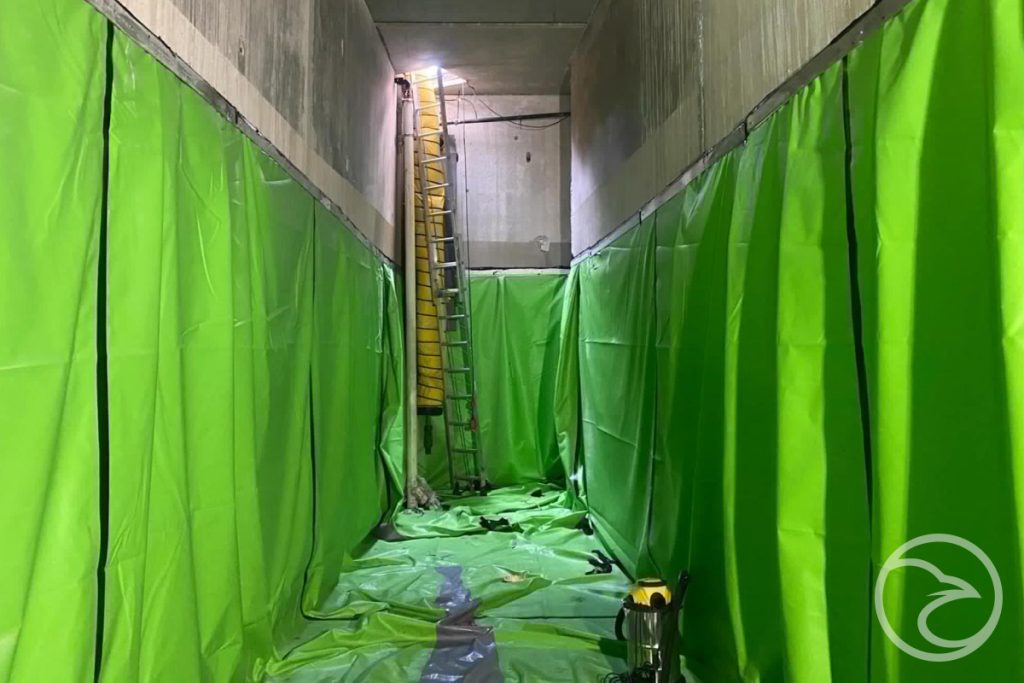
When Maintenance is not Enough
Maintenance helps prevent damage. But it cannot fix everything.
If you notice:
- deep cracks
- major deformation
- persistent leaks
If you notice deeper cracks, structural changes, or ongoing deterioration, a more detailed assessment is required.
In these cases, following a structured tank liner inspection checklist helps identify risks early and determine the next steps.
Professional Support for Long-Term Performance
Routine maintenance improves performance. But expert support ensures long-term reliability.
Working with specialists helps:
- detect hidden issues
- extend liner lifespan
- ensure compliance with standards
Choosing the right tank liners solution also plays a key role in long-term system performance and durability.
Final Thoughts
Tank liner maintenance is a simple but critical process. It protects your investment and ensures system reliability. Small actions, done consistently, prevent major failures.
If you build a routine and follow it, your tank liner will perform better and last longer.