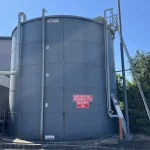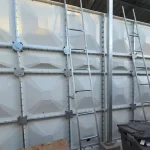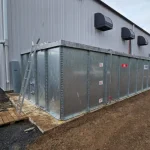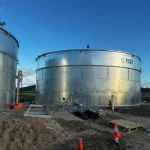

When choosing a storage tank, industries often need to decide between glass, metal, and plastic options. Each material offers its own benefits, but glass tanks stand out for their exceptional durability, resistance to contamination, and long-term cost-effectiveness. This article examines why glass tanks are the superior choice compared to metal and plastic for various storage needs.
1. Corrosion Resistance
One of the key benefits of glass tanks is their resistance to corrosion. Unlike metal tanks, which are prone to rust, and plastic tanks, which degrade over time, glass-lined tanks remain structurally sound for decades. This makes them ideal for storing potable water, chemicals, and other sensitive liquids.
2. Longevity and Durability
Glass tanks have a significantly longer lifespan compared to plastic or metal tanks. While plastic tanks may crack under extreme temperatures and metal tanks may corrode, glass-fused-to-steel tanks offer:
- Non-reactive surfaces that prevent material breakdown.
- Resistance to temperature fluctuations, ensuring structural integrity over time.
- Minimal maintenance requirements, reducing long-term costs.

3. Water and Chemical Purity
Glass-lined tanks provide a non-porous surface that prevents contamination and bacterial growth. This is especially important for:
- Potable water storage (no leaching of harmful chemicals, unlike some plastics).
- Chemical storage (glass resists aggressive substances that may degrade plastic or metal over time).
- Food and beverage industries (maintains product purity without altering taste or composition).
4. Environmental Impact and Sustainability
Glass tanks are more environmentally friendly compared to plastic and metal alternatives. Unlike plastic, which can release microplastics into the environment, and metal, which requires intensive mining and processing, glass is:
- Recyclable and reusable, contributing to sustainability.
- Less prone to degradation, reducing waste over time.
- Energy-efficient in production, especially in glass-fused-to-steel technology.
5. Cost Efficiency Over Time
Although the initial cost of glass tanks may be higher than plastic or metal, their long-term savings make them a better investment:
- Lower maintenance costs due to corrosion resistance.
- Longer lifespan, reducing the need for replacements.
- Minimal repairs required, unlike metal tanks that need anti-corrosion treatments or plastic tanks that may develop leaks.
When to Choose Metal or Plastic Over Glass?
While glass tanks offer numerous advantages, there are situations where metal or plastic may be preferable:
- Extreme pressure applications – Metal tanks can withstand higher internal pressures.
- Low-budget, short-term storage – Plastic tanks are cheaper upfront.
- Portable applications – Plastic tanks are lightweight and easier to transport.
Conclusion
Glass tanks outperform metal and plastic alternatives in terms of durability, contamination resistance, sustainability, and cost efficiency. For industries requiring long-term storage solutions with minimal maintenance, glass-lined tanks provide the best balance of performance and reliability.
GRP Tanks vs. Metal: Strength and Durability Comparison
When selecting a storage tank, the choice often comes down to Glass Reinforced Plastic (GRP) tanks versus metal tanks. Each material has distinct characteristics that suit different applications, but which one provides the optimal balance of strength and durability? This article compares GRP and metal tanks, evaluating key factors such as structural integrity, corrosion resistance, lifespan, and maintenance needs.