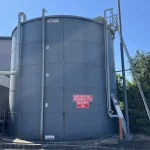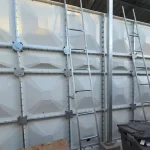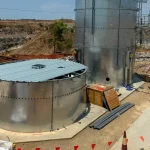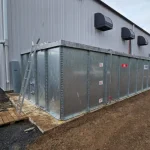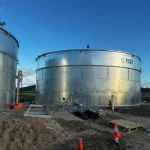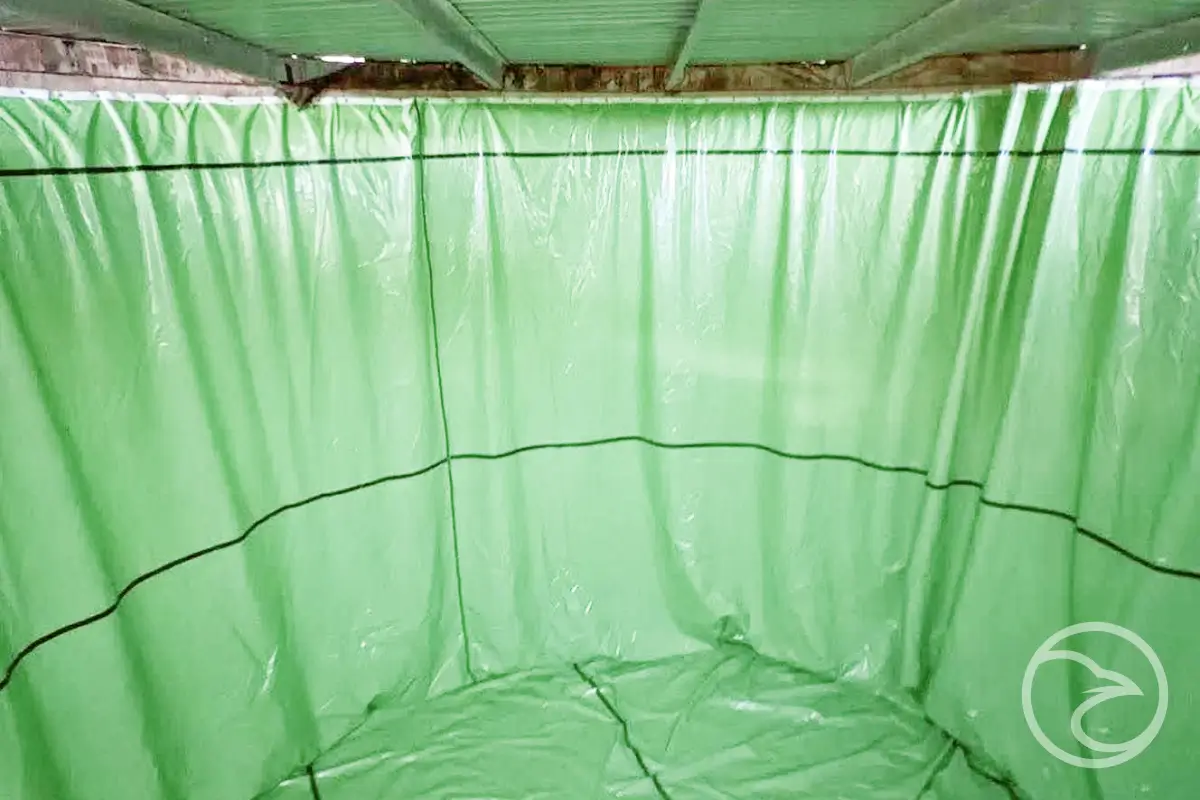

Modern water infrastructure requires materials that can withstand long-term exposure to moisture, temperature changes, and environmental stress. One material that has proven highly reliable in these conditions is glass reinforced plastic. The durability of glass reinforced plastic storage solutions has made this composite material widely used in infrastructure projects where long service life and minimal maintenance are essential.
Glass reinforced plastic combines structural strength with corrosion resistance, making it suitable for demanding environments. As infrastructure systems evolve, engineers increasingly rely on durable composite materials to ensure stable and long-term water storage performance.
What is Glass Reinforced Plastic?
Glass reinforced plastic (GRP) is a composite material made by combining glass fibers with a polymer resin. The fibers provide structural reinforcement, while the resin binds the fibers together and protects them from environmental exposure.
This combination creates a material that is both lightweight and extremely strong. Unlike traditional materials such as steel or concrete, glass reinforced plastic does not easily corrode when exposed to water or humidity. As a result, it performs well in applications where constant contact with water is expected.
Because GRP is a composite material, its structural characteristics can also be adjusted during manufacturing. Engineers can control fiber orientation and thickness to improve strength, flexibility, or durability depending on the requirements of the infrastructure project.
Key Factors Behind the Durability of Glass Reinforced Plastic Storage
Several material characteristics contribute to the long-term durability of GRP in storage infrastructure:
- High structural strength: Glass fibers significantly increase the strength of the material. This reinforcement allows the structure to handle pressure, loads, and environmental stress without losing stability.
- Resistance to corrosion: Unlike many metals, GRP does not rust when exposed to water or moisture. This resistance helps prevent structural damage and extends the lifespan of storage systems.
- Environmental stability: Glass reinforced plastic maintains its structural integrity even when exposed to temperature changes, humidity, and outdoor conditions.
- Low material degradation: The composite structure slows down material wear over time, helping the system maintain its performance for many years.
Why Durable Materials Matter for Water Storage Infrastructure
Durability plays a critical role in the performance of water storage systems. Infrastructure components are often expected to operate for decades, and frequent repairs or replacements can significantly increase operational costs.
Using durable materials helps reduce these risks. Storage structures built with corrosion-resistant composites require less maintenance and remain structurally stable for longer periods. This reliability is particularly important for municipal infrastructure, industrial facilities, and commercial water systems where consistent performance is required.
In addition, durable materials support safer infrastructure design. When storage structures maintain their strength and shape over time, the risk of structural failure becomes much lower.
Long-Term Performance and Maintenance Benefits
Another important advantage of GRP Panel Tanks is its low maintenance requirement. Materials that resist corrosion and environmental damage typically require fewer inspections and repairs.
Some key long-term benefits include:
reduced risk of corrosion-related damage
- minimal structural deterioration over time
- stable performance in humid or outdoor environments
- lower maintenance costs during the service life of the system
- consistent structural reliability
These material properties are commonly applied in modular water storage structures designed for long-term reliability.
Conclusion
The durability of glass reinforced plastic storage plays an important role in modern infrastructure projects that require reliable and long-lasting materials. Its resistance to corrosion, structural strength, and stability in changing environmental conditions make durability of glass reinforced plastic storage a dependable option for water storage applications.
Because this material maintains its performance over many years, it helps reduce maintenance needs and supports long-term infrastructure reliability. As water infrastructure continues to develop, durable composite materials such as glass reinforced plastic are expected to remain a key component of efficient and sustainable storage systems.