PVC tank liners are widely used in modern storage systems. They protect tanks from damage, leaks, and contamination. These liners are especially valuable in industrial and commercial environments. They offer a balance of durability, flexibility, and cost efficiency.
Understanding the benefits of PVC tank liners helps you choose the right solution. It also explains why they are used across many industries.
What are PVC Tank Liners
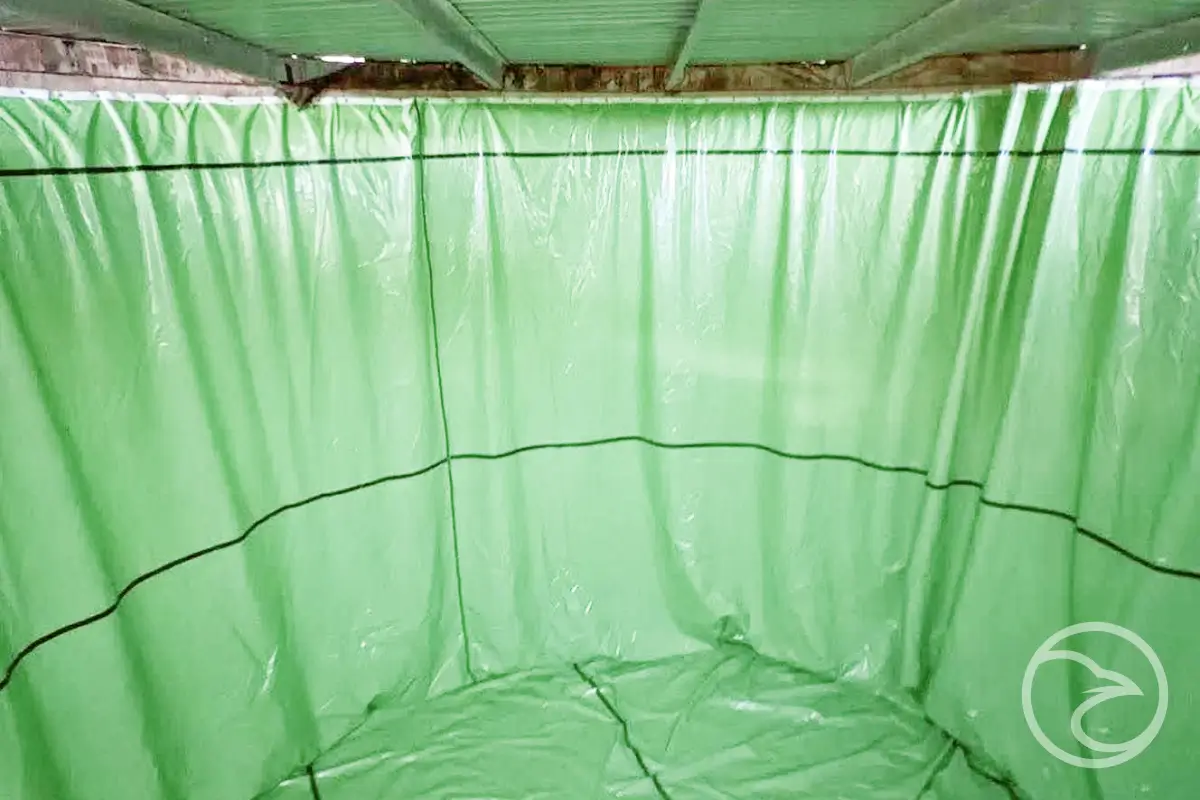
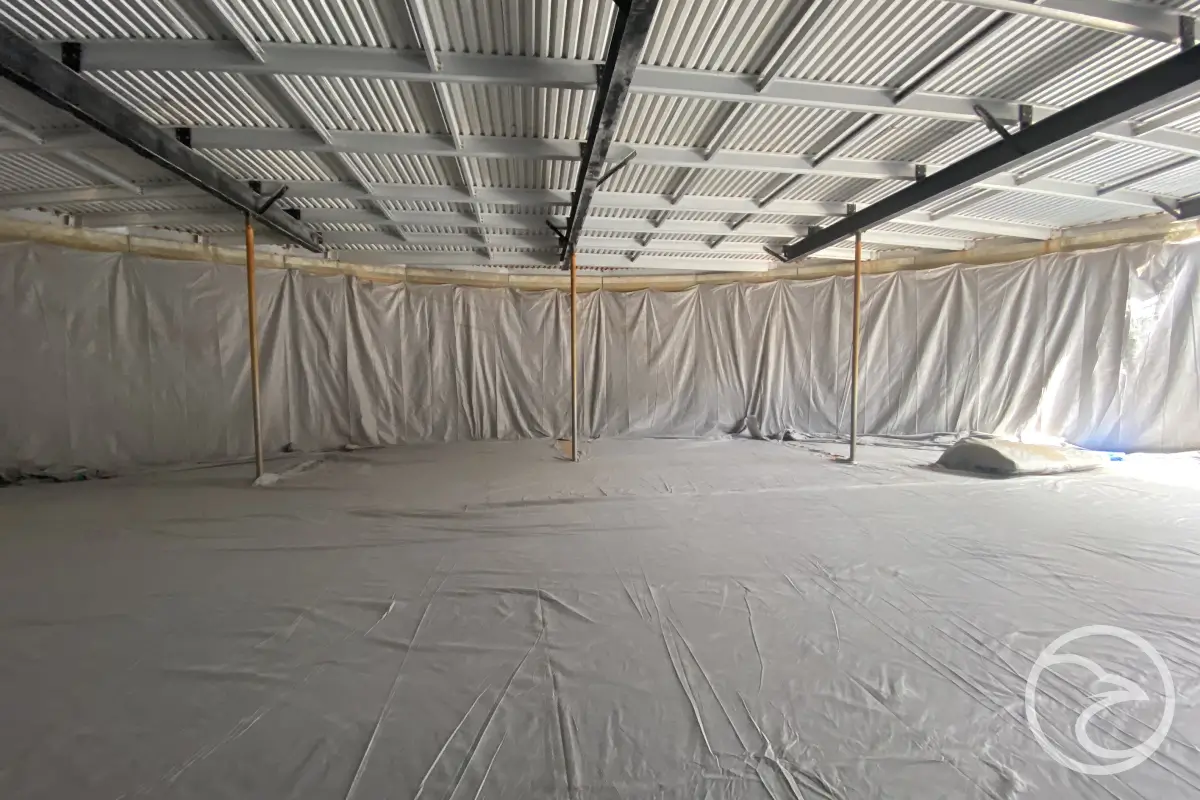
PVC tank liners are flexible protective layers installed inside storage tanks. They act as a barrier between the stored liquid and the tank structure. These liners are designed to handle different conditions. They can resist moisture, chemicals, and temperature changes.
PVC is a popular material because it is both strong and adaptable. It performs well in systems that require long-term protection.
Key Benefits of PVC Tank Liners
PVC tank liners offer several benefits for industrial and commercial storage systems. These advantages make them a reliable choice for many applications.
Durability and Long Service Life
PVC liners are built to last. They can withstand constant pressure and environmental stress.
This durability reduces the need for frequent replacements. It also lowers long-term operational costs.
Flexibility and Adaptability
PVC is a flexible material. It can fit different tank shapes and sizes.
This makes installation easier and more efficient. It also helps reduce stress on the liner over time.
Chemical and Corrosion Resistance
Many storage systems deal with aggressive substances. PVC lining provide strong protection against chemical exposure.
They also prevent corrosion inside the tank. This helps maintain structural integrity.
Cost-Effective Solution
PVC lining are more affordable than many alternatives. They offer strong performance without high upfront costs.
Their long lifespan also reduces maintenance expenses.
Why PVC Tank Liners Perform Well in Industrial Environments
Industrial systems operate under demanding conditions. They require materials that can handle pressure and constant use.
PVC liners perform well because they combine strength and flexibility. They can adapt to movement without losing integrity. They are also suitable for environments with chemical exposure. This makes them a practical solution for many industries.
Due to these characteristics, PVC tank liners are commonly used in systems that require consistent and reliable protection.
PVC Tank Liners Compared to Other Materials
PVC is not the only material used for tank liners. However, it offers a strong balance of performance and cost. Some materials may provide higher resistance in specific conditions. Others may offer greater rigidity.
PVC stands out because it combines flexibility, durability, and affordability. This makes it suitable for a wide range of applications.
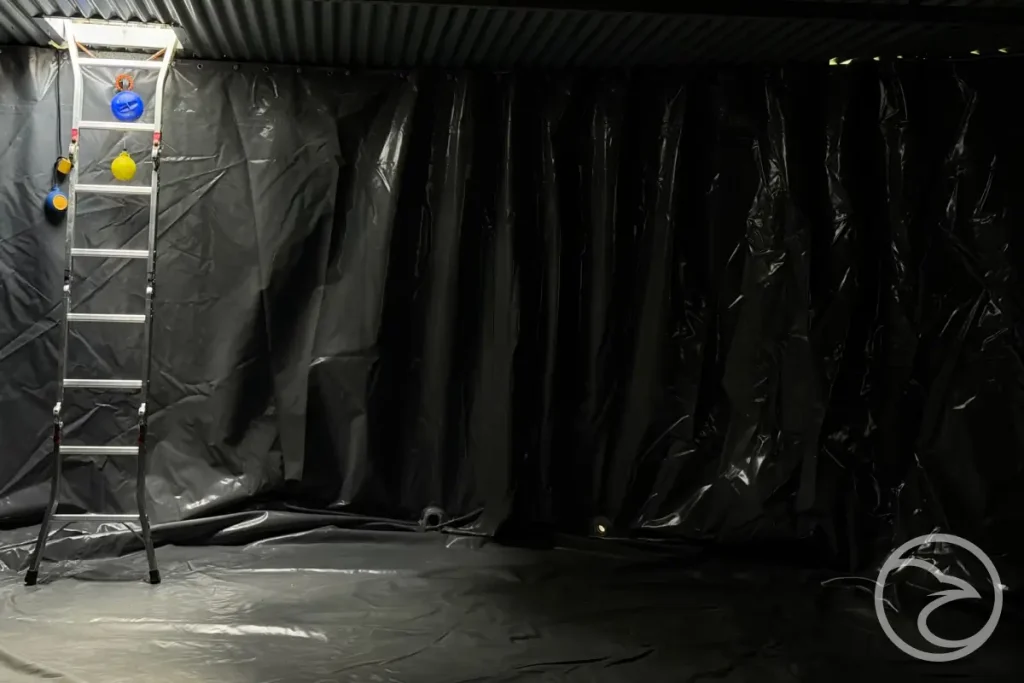
How PVC Liners Support Long-Term Performance
Long-term performance depends on both material quality and proper care. Even durable liners require attention over time. Regular tank liner maintenance helps preserve the condition of the material. It also reduces the risk of early failure.
Consistent maintenance ensures that the liner continues to perform effectively. It also helps identify minor issues before they become serious problems.
Final Thoughts
PVC lining provide a practical solution for industrial and commercial storage. They offer durability, flexibility, and reliable protection.
Their ability to perform in demanding environments makes them widely used. They also provide a cost-effective way to extend the life of storage systems.
When combined with proper maintenance, PVC liners deliver long-term value. They remain one of the most efficient options for modern tank protection.