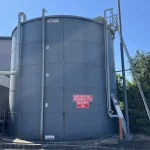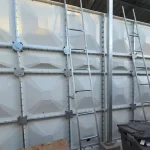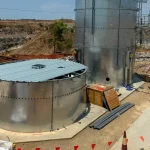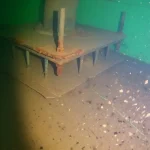
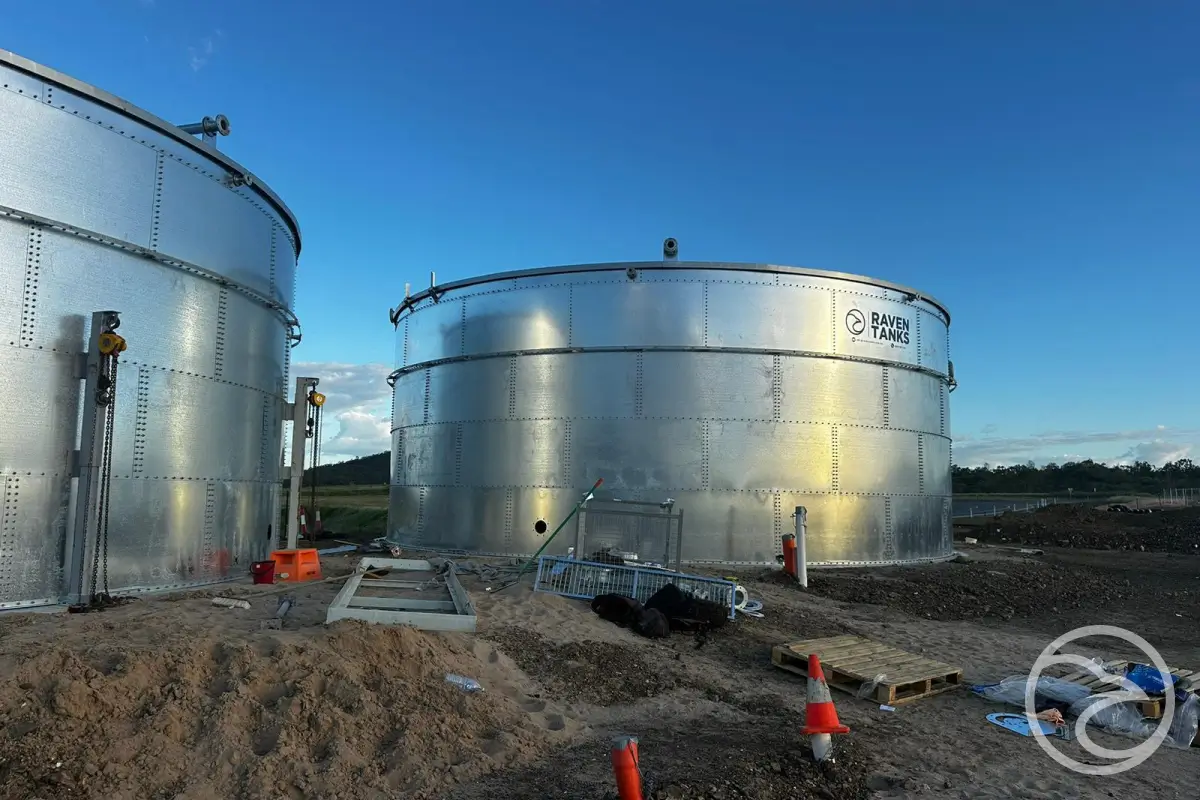
Fire water storage systems play a critical role in commercial safety infrastructure. They provide emergency water supply during fire protection events. Reliable system performance is essential during emergencies. Even small maintenance issues may affect operational readiness.
Compliance inspections help identify problems before system failures occur. They also support long-term infrastructure reliability and safety performance.
Understanding fire water tank compliance requirements helps facilities maintain safer and more dependable emergency water storage systems.
Why Fire Water Tanks Require Regular Inspections
Fire water tanks operate under strict safety expectations. These systems must remain functional during emergency situations at all times. Over time, environmental exposure may affect structural condition and performance. Moisture, corrosion, and aging materials gradually increase operational risks.
Regular inspections help identify issues such as:
- structural deterioration
- liner damage
- leakage problems
- corrosion risks
- maintenance concerns
Preventive inspections help facilities reduce unexpected system failures.
Understanding Fire Water Tank Compliance Requirements
Commercial facilities often follow strict fire protection standards. Compliance inspections help verify that emergency systems meet operational expectations.
Inspection procedures commonly evaluate:
- structural integrity
- water containment
- liner condition
- access safety
- system reliability
Facilities that follow proper maintenance schedules usually experience fewer operational issues. Understanding fire tank inspection standards also helps businesses improve long-term infrastructure planning.
Structural Integrity and Safety Performance
Structural condition directly affects emergency system reliability. Damaged tanks may fail under operational pressure during emergencies.
Inspection teams often assess:
- tank wall stability
- support structures
- visible cracking
- joint condition
- surface deterioration
Early detection of structural problems reduces long-term repair risks significantly. Commercial fire water storage systems require stable infrastructure performance at all times.
Identifying Corrosion and Moisture Damage
Moisture exposure creates serious risks for water storage infrastructure. Corrosion gradually weakens tank surfaces and structural components. Environmental conditions may accelerate deterioration in outdoor systems. Older tanks are often more vulnerable to moisture-related damage.
Common inspection concerns include:
- corrosion buildup
- rust formation
- moisture penetration
- coating deterioration
- structural weakening
Regular fire tank compliance inspection procedures help facilities maintain reliable emergency water storage systems and meet safety requirements.
Importance of Tank Liner Inspections
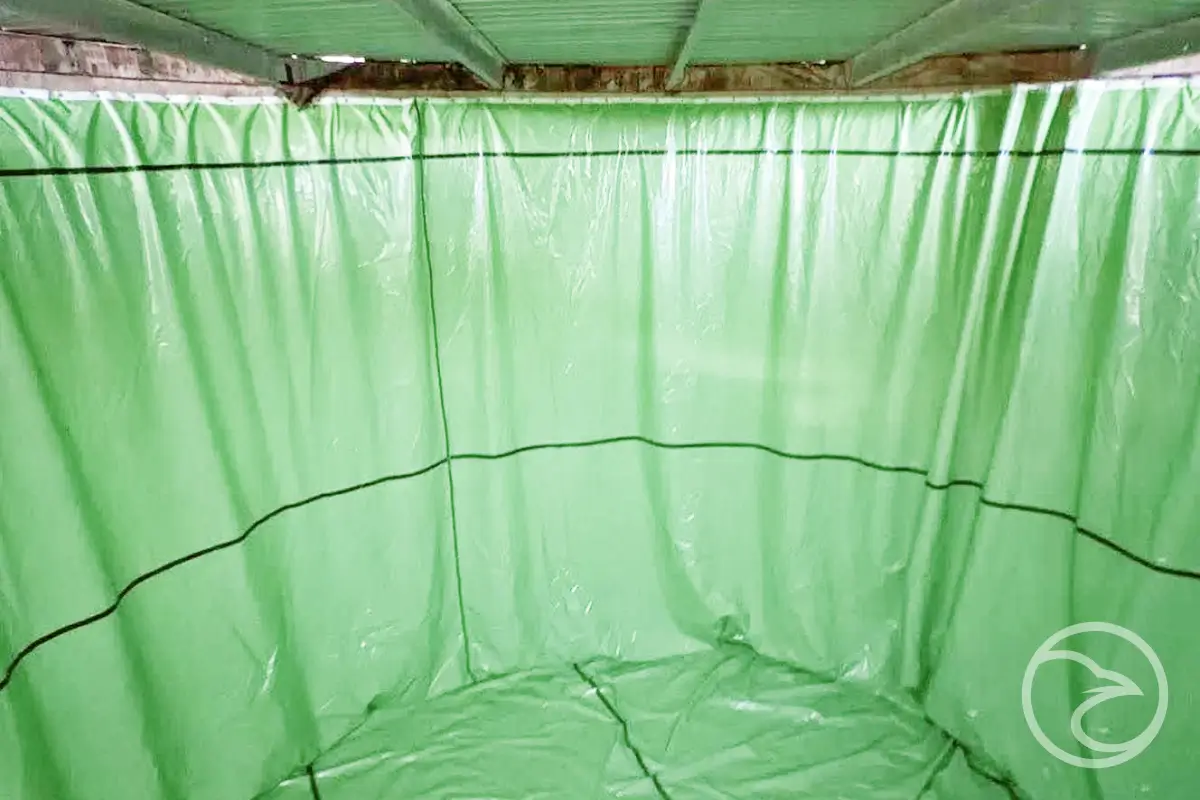
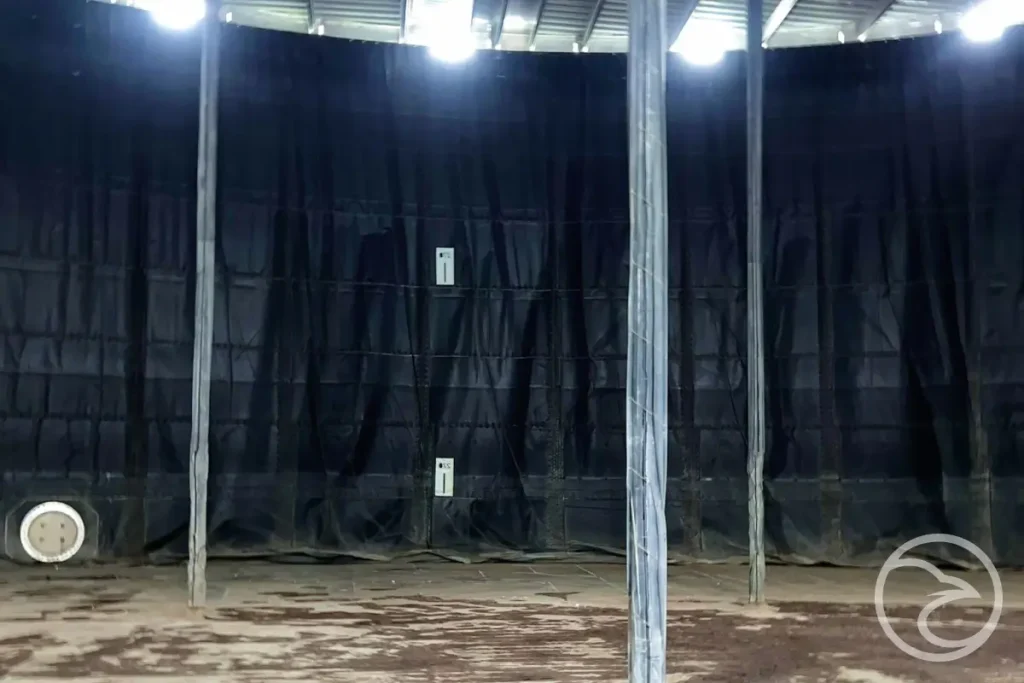
Tank liners help protect internal surfaces from corrosion and leakage. Damaged liners may affect long-term system reliability.
Inspection teams frequently assess:
- liner surface condition
- seam integrity
- visible cracks
- coating performance
- moisture exposure
Small liner defects may eventually develop into larger infrastructure problems.
Preventing Water Leakage and System Failures
Water leakage is a major concern in fire protection systems. Even minor leaks may reduce emergency water availability.
Leaks may also contribute to:
- structural deterioration
- moisture damage
- corrosion issues
- operational disruptions
- higher repair costs
Routine inspections help identify leakage risks early. Preventive maintenance is usually more cost-effective than emergency repairs.
Supporting Emergency Preparedness
Fire water systems must perform reliably during emergencies. Operational failures may create serious safety concerns.
Regular inspections help improve:
- emergency readiness
- water storage reliability
- infrastructure stability
- maintenance planning
- operational confidence
Facilities that prioritize inspections often maintain stronger long-term safety performance. Emergency water storage compliance remains an important part of commercial risk management.
Reducing Long-Term Maintenance Costs
Preventive maintenance helps reduce infrastructure expenses over time. Small repairs are usually less expensive than major restoration projects.
Inspection programs may help facilities avoid:
- emergency failures
- major structural damage
- extensive corrosion repairs
- water loss problems
- operational downtime
Long-term maintenance planning improves infrastructure lifespan and reliability.
Choosing the Right Inspection Schedule
Inspection frequency often depends on environmental exposure and system usage. Older systems may require more frequent evaluations.
Professional inspections commonly assess:
- tank structure
- liner condition
- corrosion levels
- leakage risks
- operational performance
Consistent monitoring supports safer long-term fire protection infrastructure.
Final Thoughts
Fire water tank inspections play a critical role in commercial safety management. Reliable emergency water storage systems require regular monitoring and maintenance. Structural deterioration, corrosion, and liner damage may affect long-term performance. Ignoring these issues may increase safety risks and repair costs.
Understanding fire water tank compliance requirements helps facilities maintain reliable emergency preparedness and operational stability. As safety standards continue evolving, proactive inspection programs remain increasingly important for commercial facilities.